THE ADVENTURE COLLECTIVE® · Independent discovery and booking for outdoor travel

Walk Hillbrow with a local guide to trace Johannesburg’s migration history through a Victorian house, the Windybrow Theatre, and a community lunch. This three‑hour urban tour combines social history with practical local insight to help you experience the neighborhood responsibly.
Walk Hillbrow with a local guide to trace Johannesburg’s migration history through a Victorian house, the Windybrow Theatre, and a community lunch. This three‑hour urban tour combines social history with practical local insight to help you experience the neighborhood responsibly.
The first steps into Hillbrow feel immediate: concrete avenues press close, apartment towers lean in like old neighbors trading news, and the city’s noise keeps a steady, human rhythm. This three‑hour walk threads through streets that once swelled with fortune-seekers after Johannesburg’s gold rush and now carry the layered stories of migration, segregation, and reinvention.
Verified experiences and guided adventures in the surrounding area.
Operated by Honest Travel Experience · Johannesburg, Gauteng
The first steps into Hillbrow feel immediate: concrete avenues press close, apartment towers lean in like old neighbors trading news, and the city’s noise keeps a steady, human rhythm. This three‑hour walk threads through streets that once swelled with fortune-seekers after Johannesburg’s gold rush and now carry the layered stories of migration, segregation, and reinvention.
Historically, Hillbrow was plotted in the 1890s and later shaped by Johannesburg’s boom. During apartheid the Group Areas Act attempted to designate it as a white district, but its dense apartment blocks always attracted a cosmopolitan mix. Geology here is alluvial—gold spurred the city’s growth—and that buried wealth is why neighborhoods cluster tightly around the CBD.
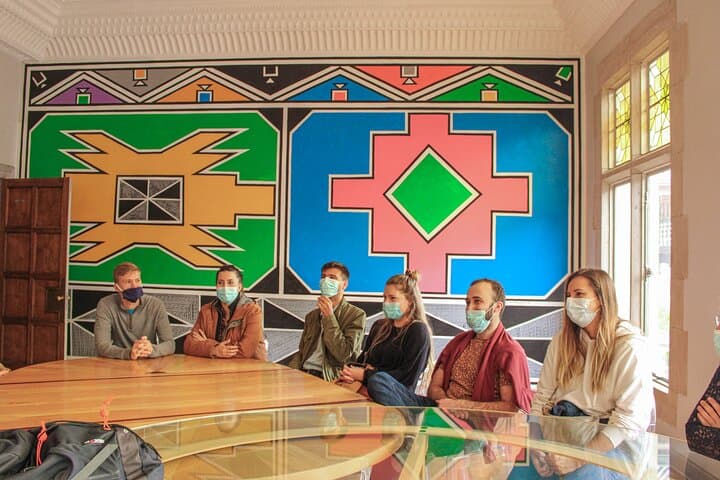
On this route you’ll visit a 120‑year‑old Victorian house and the Windybrow Theatre and Arts Centre, both practical windows into the area’s social life and community arts. Expect urban sidewalks, staircases in older buildings, and stark contrasts: grand façades beside everyday commerce.
Practically: the tour runs about three hours with two hours at primary sites and a local lunch included; elevation change is minimal and the walking distance is short (roughly 1–3 km, depending on routing). Bring a government ID, small cash, and a fully charged phone. Mornings are cooler and easier for photography; afternoons can get busy on surrounding streets.
Respect residential spaces, follow your guide’s safety briefings, and use the visit to support nearby cafes and arts centres. This walk is as much about listening to people’s stories as it is about seeing buildings—an urban history you navigate one step at a time.
easy.
3 hours.
Suitable for most people who can walk short urban distances and climb a few stairs
The tour lasts about three hours total with roughly 1–3 km of walking depending on routing; most time is spent in two main sites and the lunch stop.
Yes—this is an easy urban walk; it’s stroller accessible for short distances but contains stairs in heritage buildings and isn’t recommended for guests with serious spinal or heart conditions.
A local lunch is included and typically features South African flavors; dietary requests are accepted if indicated at booking but confirm special needs in advance.
Meeting details are provided after booking—bring photo ID, comfortable shoes, small cash, and a charged phone for photos and navigation.
Hillbrow grew with Johannesburg’s gold rush at the turn of the 20th century and became a densely populated, cosmopolitan neighborhood that tested apartheid’s Group Areas Act.
Support local conservation by patronizing community arts venues and small businesses; respect private properties and reduce single‑use plastic during your visit.
Honest Travel Experience operates guided outdoor trips and adventures with an emphasis on safety, stewardship, and memorable experiences.
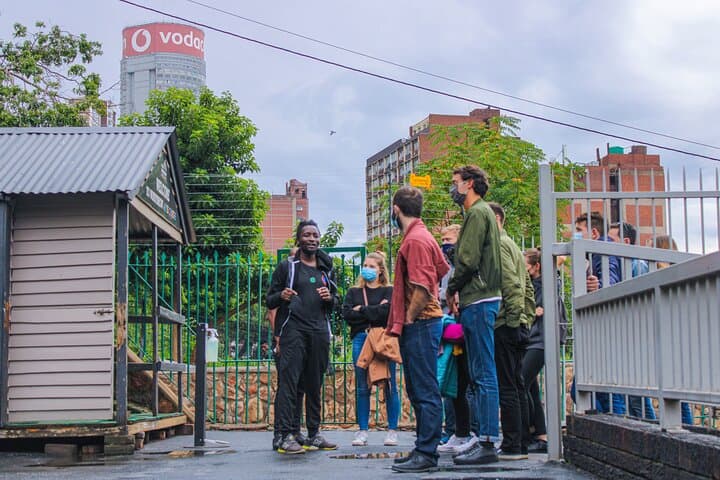
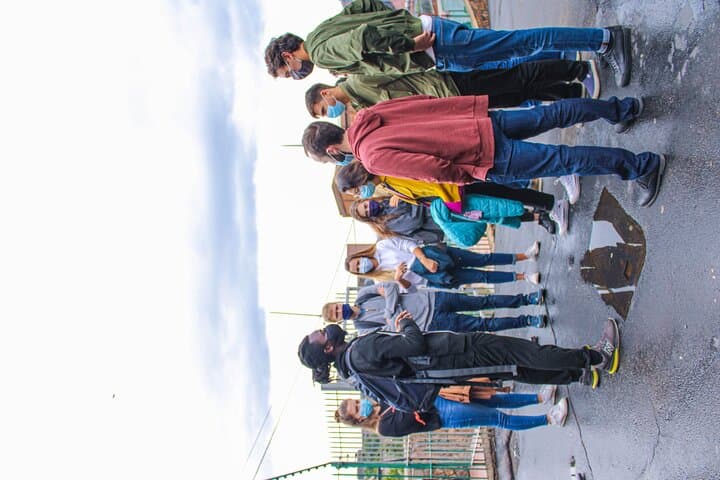

The first steps into Hillbrow feel immediate: concrete avenues press close, apartment towers lean in like old neighbors trading news, and the city’s noise keeps a steady, human rhythm. This three‑hour walk threads through streets that once swelled with fortune-seekers after Johannesburg’s gold rush and now carry the layered stories of migration, segregation, and reinvention.
The first steps into Hillbrow feel immediate: concrete avenues press close, apartment towers lean in like old neighbors trading news, and the city’s noise keeps a steady, human rhythm. This three‑hour walk threads through streets that once swelled with fortune-seekers after Johannesburg’s gold rush and now carry the layered stories of migration, segregation, and reinvention.
Historically, Hillbrow was plotted in the 1890s and later shaped by Johannesburg’s boom. During apartheid the Group Areas Act attempted to designate it as a white district, but its dense apartment blocks always attracted a cosmopolitan mix. Geology here is alluvial—gold spurred the city’s growth—and that buried wealth is why neighborhoods cluster tightly around the CBD.
On this route you’ll visit a 120‑year‑old Victorian house and the Windybrow Theatre and Arts Centre, both practical windows into the area’s social life and community arts. Expect urban sidewalks, staircases in older buildings, and stark contrasts: grand façades beside everyday commerce.
Practically: the tour runs about three hours with two hours at primary sites and a local lunch included; elevation change is minimal and the walking distance is short (roughly 1–3 km, depending on routing). Bring a government ID, small cash, and a fully charged phone. Mornings are cooler and easier for photography; afternoons can get busy on surrounding streets.
Respect residential spaces, follow your guide’s safety briefings, and use the visit to support nearby cafes and arts centres. This walk is as much about listening to people’s stories as it is about seeing buildings—an urban history you navigate one step at a time.