THE ADVENTURE COLLECTIVE® · Independent discovery and booking for outdoor travel

Short boat runs deliver access to wrecks, coral bommies, and frequent ray and barracuda sightings off Hikkaduwa. This 3‑hour dive trip suits beginners through certified divers with local guide support and equipment included.
Short boat runs deliver access to wrecks, coral bommies, and frequent ray and barracuda sightings off Hikkaduwa. This 3‑hour dive trip suits beginners through certified divers with local guide support and equipment included.
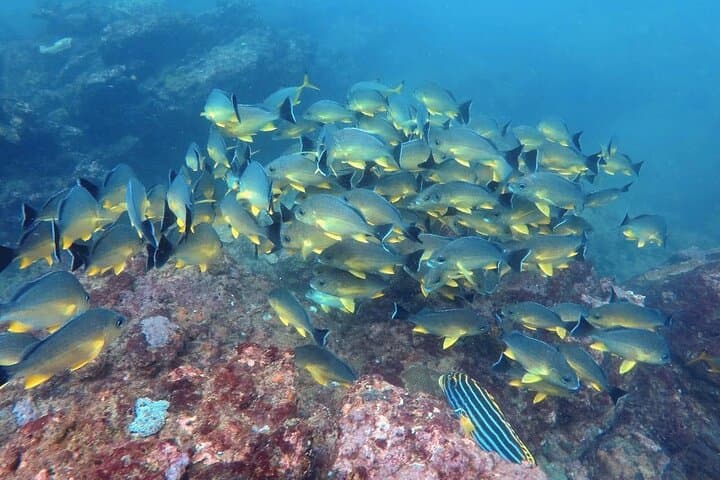
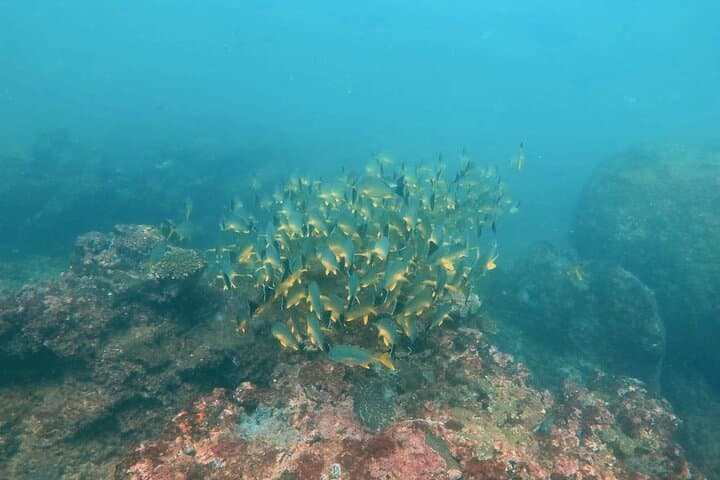
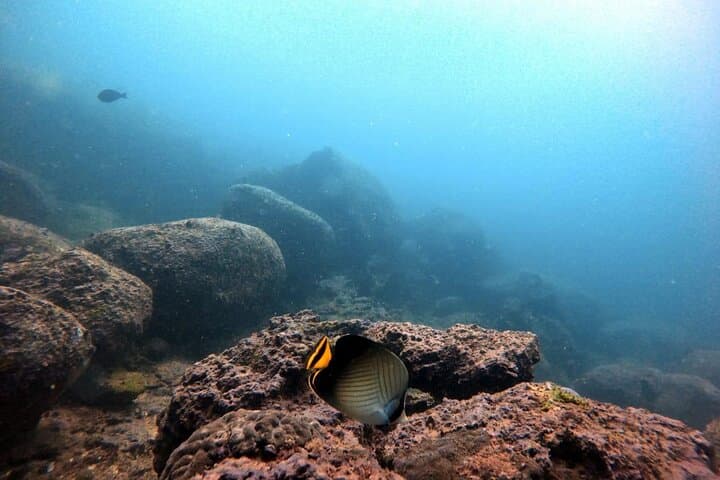
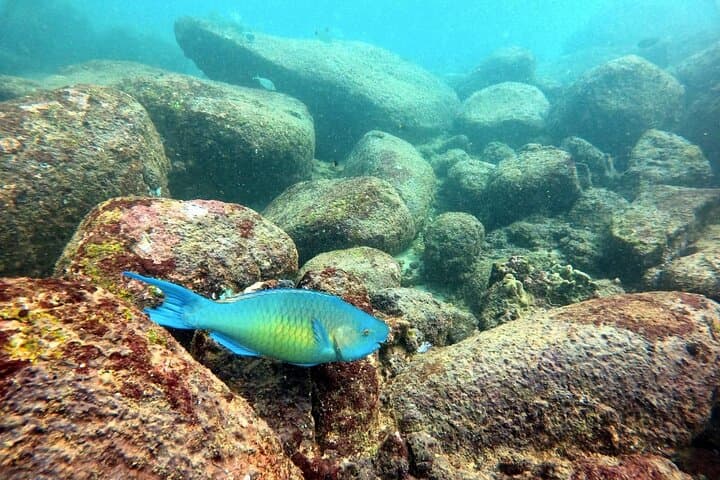
Salt spray stings the skin as the dive boat slips away from Hikkaduwa’s shoreline; behind, the town’s low-slung hotels and palm-fringed streets fade, ahead the reef unspools like a submerged city. Below the surface, coral bommies rise and fall, barracuda patrol in shafts of sunlight, and the hulking silhouette of a shipwreck waits like a relic with a story to tell.
Verified experiences and guided adventures in the surrounding area.
Operated by ZRI Adventures · Hikkaduwa, Southern Province
Salt spray stings the skin as the dive boat slips away from Hikkaduwa’s shoreline; behind, the town’s low-slung hotels and palm-fringed streets fade, ahead the reef unspools like a submerged city. Below the surface, coral bommies rise and fall, barracuda patrol in shafts of sunlight, and the hulking silhouette of a shipwreck waits like a relic with a story to tell.
The southwest coast has been a maritime corridor for centuries—Portuguese and Dutch era trading routes left scars and shipwrecks that now host sponge gardens and hawksbill turtles. Geologically the coast is a mix of sedimentary shelf and ancient reef platforms; currents and seasonal monsoons redistribute sand and shape dive sites year-round. Local fishing villages maintain a pragmatic relationship with the sea: their boats bring tourists to nearby sites while small conservation groups work to protect coral and manage dive pressure.
Practically, expect 15–20 minute boat runs to most sites including the Conch oil tanker wreck and the 19th-century Earl of Shaftesbury. Visibility commonly ranges 10–25 m in peak months (October–May), with stronger currents at certain sites that reward experienced divers with encounters—manta rays and large pelagic fish among them. Operators provide equipment and short briefings; weight limits and medical questions are standard.
Plan for reef-safe sunscreen, a snug mask seal, and to surface with a signal tube in busy water. Time your dives around tides and wind, and brief your buddy on navigation; the reef answers to currents, and a calm, practiced diver will see the most.
moderate.
3 hours.
Basic swimming ability and comfort in open water; able to carry gear and perform surface swims.
Operators commonly accommodate both certified divers and introductory (Discover Scuba) divers—check your booking and bring certification if you have it.
Visibility usually ranges from 10–25 m in peak season (Oct–May); surface temps are roughly 26–30°C depending on season.
Age and health restrictions apply—children are sometimes accepted for introductory dives and operators require medical clearance for certain conditions and weight limits may be enforced for safety.
Trips are often canceled in bad weather; operators typically offer a full refund or reschedule if canceled at least 24 hours before departure.
Hikkaduwa’s reefs and wrecks reflect centuries of maritime trade off Sri Lanka’s southwest coast; some wrecks date to colonial trading eras and now serve as artificial reef habitat.
Local groups run reef surveys and encourage no‑touch diving; use reef‑safe products, avoid anchoring on coral, and support operators that practice buoyancy control and responsible mooring.
ZRI Adventures operates guided outdoor trips and adventures with an emphasis on safety, stewardship, and memorable experiences.
Salt spray stings the skin as the dive boat slips away from Hikkaduwa’s shoreline; behind, the town’s low-slung hotels and palm-fringed streets fade, ahead the reef unspools like a submerged city. Below the surface, coral bommies rise and fall, barracuda patrol in shafts of sunlight, and the hulking silhouette of a shipwreck waits like a relic with a story to tell.
Salt spray stings the skin as the dive boat slips away from Hikkaduwa’s shoreline; behind, the town’s low-slung hotels and palm-fringed streets fade, ahead the reef unspools like a submerged city. Below the surface, coral bommies rise and fall, barracuda patrol in shafts of sunlight, and the hulking silhouette of a shipwreck waits like a relic with a story to tell.
The southwest coast has been a maritime corridor for centuries—Portuguese and Dutch era trading routes left scars and shipwrecks that now host sponge gardens and hawksbill turtles. Geologically the coast is a mix of sedimentary shelf and ancient reef platforms; currents and seasonal monsoons redistribute sand and shape dive sites year-round. Local fishing villages maintain a pragmatic relationship with the sea: their boats bring tourists to nearby sites while small conservation groups work to protect coral and manage dive pressure.
Practically, expect 15–20 minute boat runs to most sites including the Conch oil tanker wreck and the 19th-century Earl of Shaftesbury. Visibility commonly ranges 10–25 m in peak months (October–May), with stronger currents at certain sites that reward experienced divers with encounters—manta rays and large pelagic fish among them. Operators provide equipment and short briefings; weight limits and medical questions are standard.
Plan for reef-safe sunscreen, a snug mask seal, and to surface with a signal tube in busy water. Time your dives around tides and wind, and brief your buddy on navigation; the reef answers to currents, and a calm, practiced diver will see the most.