THE ADVENTURE COLLECTIVE® · Independent discovery and booking for outdoor travel

Climb above 4,500 meters to reach the banded slopes of Vinicunca — the Rainbow Mountain — on a long, high-altitude day trip from Cusco. Expect steep, exposed trails, local Quechua culture, and mineral stripes formed by uplift and erosion.
Climb above 4,500 meters to reach the banded slopes of Vinicunca — the Rainbow Mountain — on a long, high-altitude day trip from Cusco. Expect steep, exposed trails, local Quechua culture, and mineral stripes formed by uplift and erosion.
Before dawn the van slips out of Cusco and the Andes open like a slow, broad page. The road climbs into brittle high grass and herds of grey alpaca; Ausangate peers in the distance, its glaciers catching the first light. By the time you reach the trailhead near 4,500 m the air is thin, the landscape pared down to stone, wind and color.
Verified experiences and guided adventures in the surrounding area.
Operated by Machu Picchu · Cusco, Cusco
Before dawn the van slips out of Cusco and the Andes open like a slow, broad page. The road climbs into brittle high grass and herds of grey alpaca; Ausangate peers in the distance, its glaciers catching the first light. By the time you reach the trailhead near 4,500 m the air is thin, the landscape pared down to stone, wind and color.
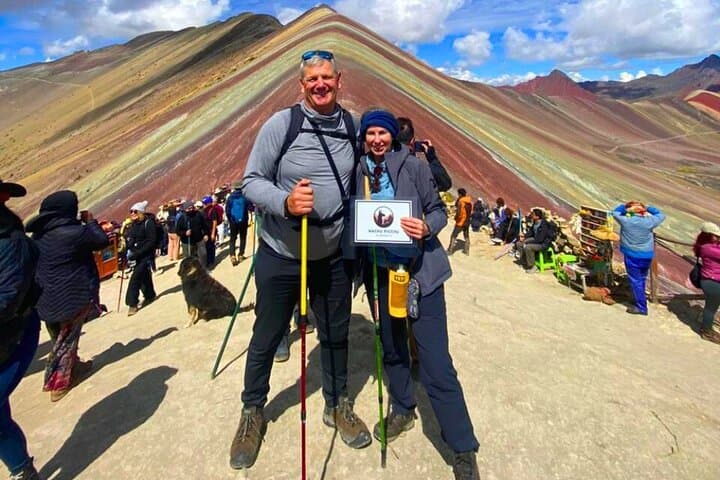
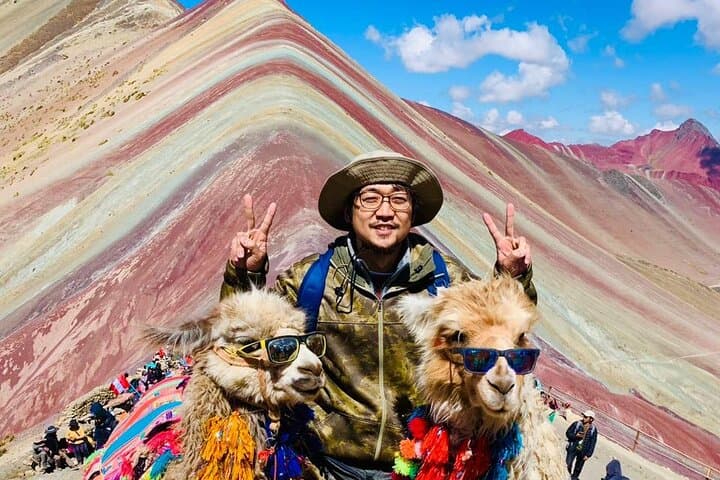
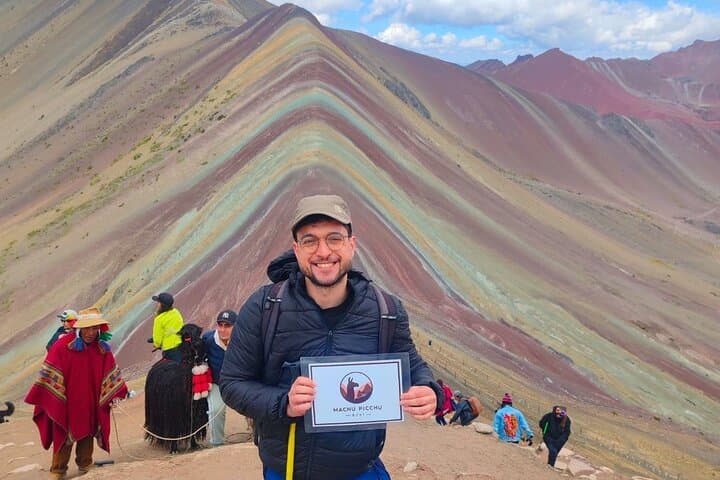
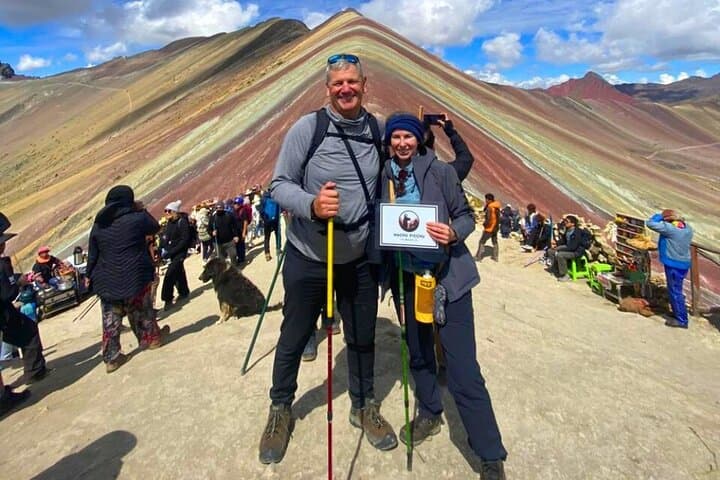
Vinicunca — the so-called Rainbow Mountain — is a product of uplift and time: layers of sediment and mineral oxides exposed by glacier retreat and erosion, painting ridgelines in bands of ochre, green and rose. The route follows high puna terrain over loose scree and compacted dirt, a steady climb that typically takes 60–90 minutes from the entry point to the main viewpoint. Along the way local Quechua families tend livestock and trade handicrafts, and guides will explain the mountain’s cultural role tied to Ausangate and the annual Qoyllur Rit’i pilgrimage.
Expect panoramic 360-degree views at the summit and a wind that seems intent on testing your hat. Practical reality: altitude dictates pace. Spend two nights in Cusco beforehand if possible, sip water frequently, and plan for strong sun despite cold temperatures. Bring layered clothing, a light rain shell, trekking poles and small cash for horses or market stalls.
The full-day circuit often includes short stops at high Andean lagoons on the return, offering reflective pools and more photo opportunities. It’s a raw, elemental outing — high, bright and uncompromising — best taken slowly and with respect for the fragile landscape and the communities who live here.
challenging.
10–12 hours.
Good aerobic fitness and prior high-altitude hiking experience recommended; ability to walk uphill for 1–2 hours at altitude.
From the vehicle drop-off at ≈4,500 m it’s typically a 60–90 minute ascent to the main viewpoint, depending on pace and weather.
Yes — spend at least 24–48 hours in Cusco beforehand and avoid heavy exertion the day before to lower altitude sickness risk.
Yes, local horse rentals are often offered at the trailhead for an extra fee; availability varies and riders should be comfortable on pack horses.
No services on the trail itself — bring water, snacks and carry small cash for roadside vendors or a packed lunch provided by the tour.
The Ausangate massif is sacred in Andean cosmology; the surrounding highlands have been grazed by Quechua communities for centuries and host pilgrimage routes like Qoyllur Rit’i.
The high puna is fragile; stay on established trails, pack out waste and support local guides to minimize erosion and protect grazing grounds.
Machu Picchu operates guided outdoor trips and adventures with an emphasis on safety, stewardship, and memorable experiences.
Before dawn the van slips out of Cusco and the Andes open like a slow, broad page. The road climbs into brittle high grass and herds of grey alpaca; Ausangate peers in the distance, its glaciers catching the first light. By the time you reach the trailhead near 4,500 m the air is thin, the landscape pared down to stone, wind and color.
Before dawn the van slips out of Cusco and the Andes open like a slow, broad page. The road climbs into brittle high grass and herds of grey alpaca; Ausangate peers in the distance, its glaciers catching the first light. By the time you reach the trailhead near 4,500 m the air is thin, the landscape pared down to stone, wind and color.
Vinicunca — the so-called Rainbow Mountain — is a product of uplift and time: layers of sediment and mineral oxides exposed by glacier retreat and erosion, painting ridgelines in bands of ochre, green and rose. The route follows high puna terrain over loose scree and compacted dirt, a steady climb that typically takes 60–90 minutes from the entry point to the main viewpoint. Along the way local Quechua families tend livestock and trade handicrafts, and guides will explain the mountain’s cultural role tied to Ausangate and the annual Qoyllur Rit’i pilgrimage.
Expect panoramic 360-degree views at the summit and a wind that seems intent on testing your hat. Practical reality: altitude dictates pace. Spend two nights in Cusco beforehand if possible, sip water frequently, and plan for strong sun despite cold temperatures. Bring layered clothing, a light rain shell, trekking poles and small cash for horses or market stalls.
The full-day circuit often includes short stops at high Andean lagoons on the return, offering reflective pools and more photo opportunities. It’s a raw, elemental outing — high, bright and uncompromising — best taken slowly and with respect for the fragile landscape and the communities who live here.