THE ADVENTURE COLLECTIVE® · Independent discovery and booking for outdoor travel

Two classic Catalina Mountain experiences in one outing: the steep, panoramic ridges of Ventana Canyon and the water-carved trails of Sabino Canyon, including the creek-crossing Seven Falls. Expect rocky climbs, seasonal pools, and sweeping views above Tucson.
Two classic Catalina Mountain experiences in one outing: the steep, panoramic ridges of Ventana Canyon and the water-carved trails of Sabino Canyon, including the creek-crossing Seven Falls. Expect rocky climbs, seasonal pools, and sweeping views above Tucson.
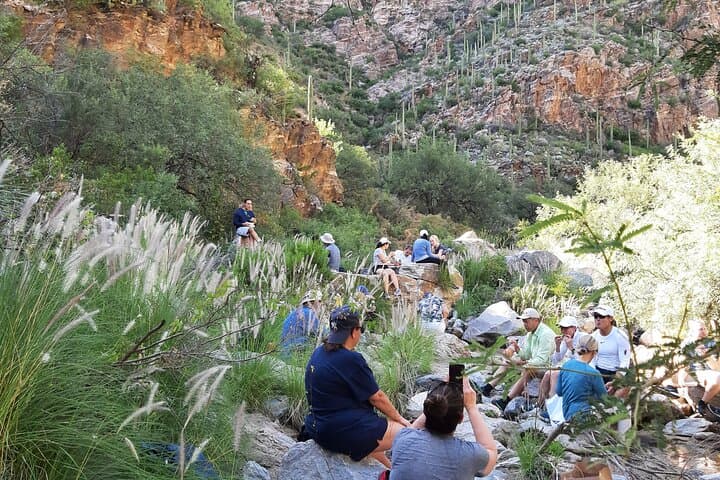
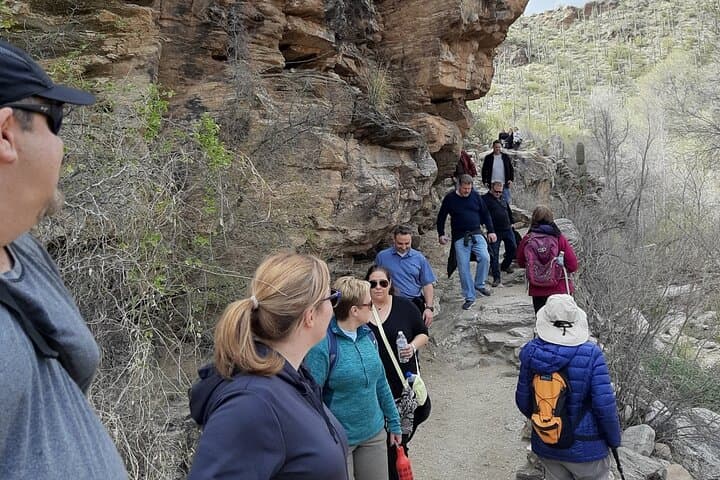
The trail begins under an uncompromising sky—the sun already pressing heat into the saguaros—while a guide checks packs and points toward the black ridgeline of the Catalina Mountains. Ventana Canyon opens as a steady climb, a corridor of mesquite and brittle ironwood that funnels you upward. By the time the switchbacks loosen and the trail narrows to rock and scrub, the valley below has shrunk to a patchwork of roofs and desert, and the city’s hum falls away.
Verified experiences and guided adventures in the surrounding area.
Operated by South West Guided Adventures · Tucson, Arizona
The trail begins under an uncompromising sky—the sun already pressing heat into the saguaros—while a guide checks packs and points toward the black ridgeline of the Catalina Mountains. Ventana Canyon opens as a steady climb, a corridor of mesquite and brittle ironwood that funnels you upward. By the time the switchbacks loosen and the trail narrows to rock and scrub, the valley below has shrunk to a patchwork of roofs and desert, and the city’s hum falls away.
Ventana is geological theater: volcanic flows and uplifted limestone have carved steep, terraced walls and natural amphitheaters where winter rains collect into Maiden Pools. The high point cited on local routes reaches roughly 4,475 feet above sea level—enough altitude to change the light and the plants. Phone Line Trail, its name a reminder of the old utilities that clung to the ridge, gains about 3,600 feet of exposure and offers long, linear views that force you to look out across the canyon instead of down into it.
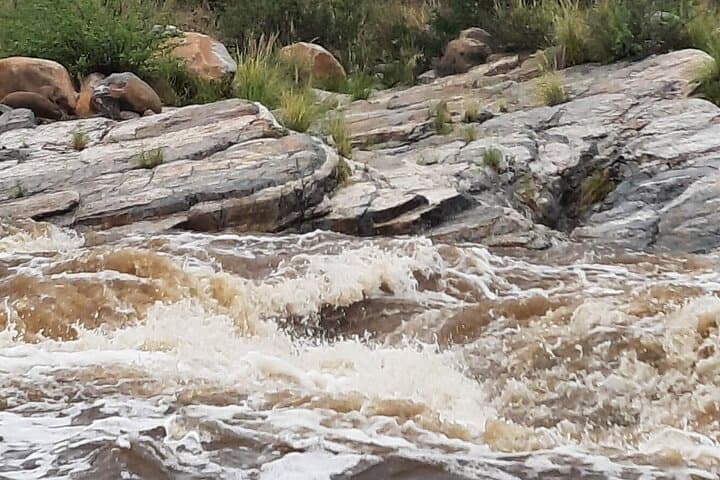
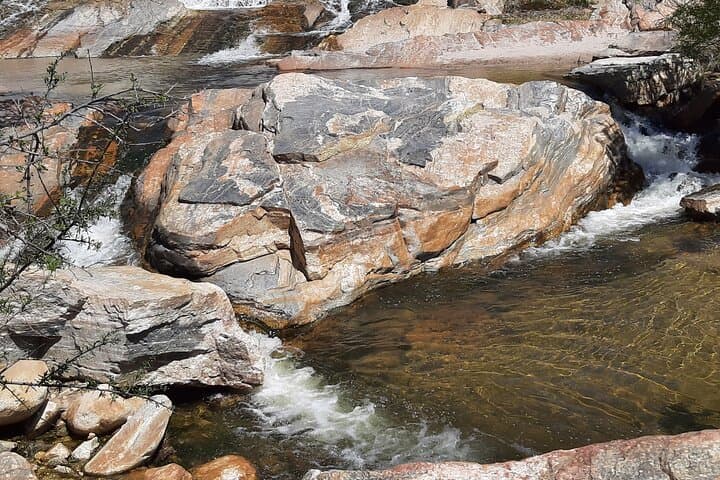
Sabino Canyon feels different—water-minded and quieter in the shade. A network of about 15 trails threads through riparian pockets; creeks appear where the geology allows a shelf to hold water. Seven Falls is a specific kind of reward: a route that crosses the stream seven times and ends at a cascade that, after winter storms, still hisses with enough vitality to cool the air.
This area has long been a crossroads: the Catalina range sits on land historically used by Indigenous people including the Tohono O’odham; later Spanish explorers and miners mapped the same ridgelines. Today, trails that once followed natural corridors are maintained with an eye toward public access and preservation. Guides emphasize staying on trail to protect fragile desert soils and the riparian plants that keep those creek beds alive.
Practicalities: this is a three-hour outing in the Viator itinerary, but gardeners of pace will note that both Ventana and Sabino can be made into half- to full-day hikes depending on route and stops. Elevation gain ranges from moderate to strenuous—expect steep pitches and rocky scrambling on Ventana; Sabino offers flatter creek walks and occasional stream crossings. The company supplies hiking poles and guides; wear sturdy shoes, carry 1.5–3 liters of water, sun protection, and layered clothing for morning-to-midday temperature swings.
Timing is everything: early starts cut the heat and find animal activity—quail and javelina are often observed in the cooler hours. Leave no trace, watch for flash-flood conditions after storms, and plan for shorter daylight in winter. For anyone who wants a concentrated taste of the Catalina Mountains—watered canyons, high ridgelines, and panoramic city views—this combination hits the most compelling highlights in accessible, practical form.
moderate.
3 hours.
Participants should have a moderate level of fitness—able to hike uneven terrain with sustained uphill sections.
The combined outing is rated moderate—Ventana includes steeper, more strenuous sections while Sabino offers easier creekside trails; guides tailor pacing to the group.
Sabino often has running water in season and at creek crossings like Seven Falls; Ventana’s pools are seasonal—always carry your own water.
Both can be hiked independently, but a guide adds local knowledge about routes, wildlife spotting, and safety for creek crossings and steep sections.
Service animals are allowed; check local regulations and trail restrictions before bringing pets—some areas may restrict dogs.
The operator cancels in unsafe weather; for monsoon storms avoid narrow canyon sections and move to higher ground if flooding begins.
Older, active children who can handle uneven terrain and creek crossings are fine; younger kids may find Ventana’s steeper parts challenging.
The Catalina Mountains sit on lands historically used by Indigenous peoples including the Tohono O’odham; later Spanish explorers and miners mapped these ridgelines in the 18th–19th centuries.
Trails run through sensitive desert and riparian habitats—stay on marked paths, avoid disturbing pools, and pack out all waste to protect water-dependent plants and wildlife.
South West Guided Adventures operates guided outdoor trips and adventures with an emphasis on safety, stewardship, and memorable experiences.
The trail begins under an uncompromising sky—the sun already pressing heat into the saguaros—while a guide checks packs and points toward the black ridgeline of the Catalina Mountains. Ventana Canyon opens as a steady climb, a corridor of mesquite and brittle ironwood that funnels you upward. By the time the switchbacks loosen and the trail narrows to rock and scrub, the valley below has shrunk to a patchwork of roofs and desert, and the city’s hum falls away.
The trail begins under an uncompromising sky—the sun already pressing heat into the saguaros—while a guide checks packs and points toward the black ridgeline of the Catalina Mountains. Ventana Canyon opens as a steady climb, a corridor of mesquite and brittle ironwood that funnels you upward. By the time the switchbacks loosen and the trail narrows to rock and scrub, the valley below has shrunk to a patchwork of roofs and desert, and the city’s hum falls away.
Ventana is geological theater: volcanic flows and uplifted limestone have carved steep, terraced walls and natural amphitheaters where winter rains collect into Maiden Pools. The high point cited on local routes reaches roughly 4,475 feet above sea level—enough altitude to change the light and the plants. Phone Line Trail, its name a reminder of the old utilities that clung to the ridge, gains about 3,600 feet of exposure and offers long, linear views that force you to look out across the canyon instead of down into it.
Sabino Canyon feels different—water-minded and quieter in the shade. A network of about 15 trails threads through riparian pockets; creeks appear where the geology allows a shelf to hold water. Seven Falls is a specific kind of reward: a route that crosses the stream seven times and ends at a cascade that, after winter storms, still hisses with enough vitality to cool the air.
This area has long been a crossroads: the Catalina range sits on land historically used by Indigenous people including the Tohono O’odham; later Spanish explorers and miners mapped the same ridgelines. Today, trails that once followed natural corridors are maintained with an eye toward public access and preservation. Guides emphasize staying on trail to protect fragile desert soils and the riparian plants that keep those creek beds alive.
Practicalities: this is a three-hour outing in the Viator itinerary, but gardeners of pace will note that both Ventana and Sabino can be made into half- to full-day hikes depending on route and stops. Elevation gain ranges from moderate to strenuous—expect steep pitches and rocky scrambling on Ventana; Sabino offers flatter creek walks and occasional stream crossings. The company supplies hiking poles and guides; wear sturdy shoes, carry 1.5–3 liters of water, sun protection, and layered clothing for morning-to-midday temperature swings.
Timing is everything: early starts cut the heat and find animal activity—quail and javelina are often observed in the cooler hours. Leave no trace, watch for flash-flood conditions after storms, and plan for shorter daylight in winter. For anyone who wants a concentrated taste of the Catalina Mountains—watered canyons, high ridgelines, and panoramic city views—this combination hits the most compelling highlights in accessible, practical form.