THE ADVENTURE COLLECTIVE® · Independent discovery and booking for outdoor travel

Hike to the rim of Turrialba Volcano and walk through forests rebuilding after recent eruptions. This guided, moderate six‑hour route combines raw volcanic landscapes, crater views and regrowing ecosystems with local cultural context.
Hike to the rim of Turrialba Volcano and walk through forests rebuilding after recent eruptions. This guided, moderate six‑hour route combines raw volcanic landscapes, crater views and regrowing ecosystems with local cultural context.
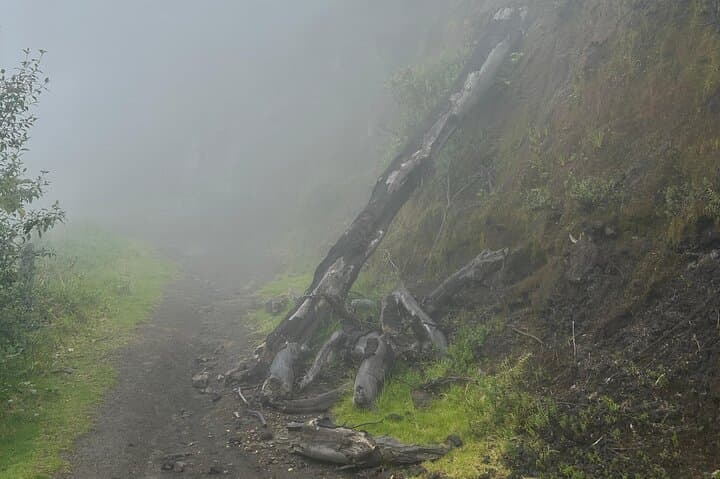
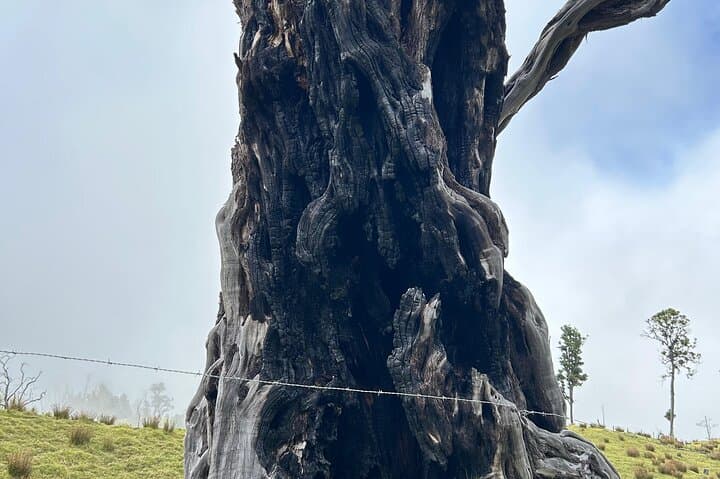
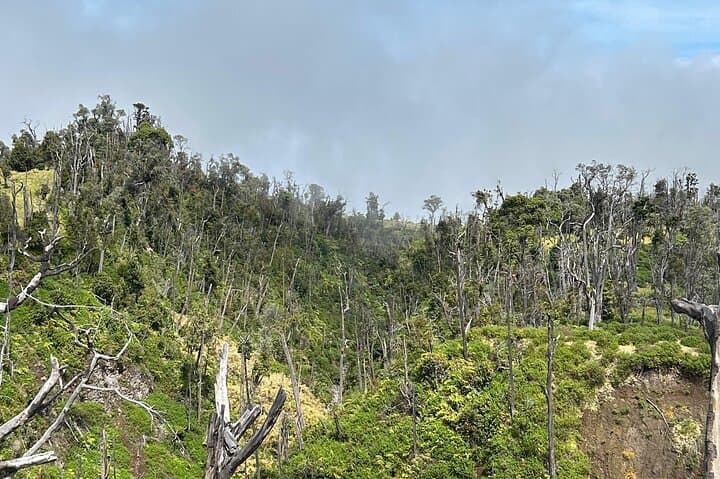
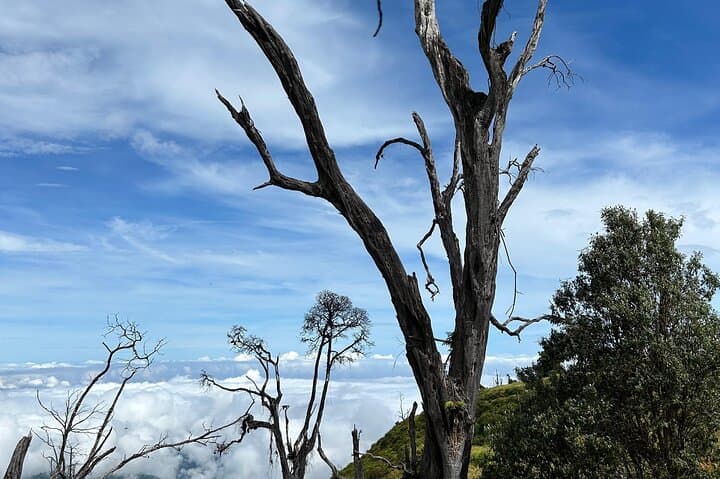
You step out of the van into thin, cool air and the faint sulfur tang of a living volcano; wind pushes through blackened trunks that are already green at the tips. The trail rises steadily, sometimes on loose volcanic scree, sometimes under a recovering canopy where birds reappear like cautious guests. Cresting a ridge, the crater yawns ahead—steam threads the sky and the view down into the Turrialba Valley stretches past coffee farms and patchwork fields.
Verified experiences and guided adventures in the surrounding area.
Operated by Costa Rica Excursions Travel · Turrialba, Cartago
You step out of the van into thin, cool air and the faint sulfur tang of a living volcano; wind pushes through blackened trunks that are already green at the tips. The trail rises steadily, sometimes on loose volcanic scree, sometimes under a recovering canopy where birds reappear like cautious guests. Cresting a ridge, the crater yawns ahead—steam threads the sky and the view down into the Turrialba Valley stretches past coffee farms and patchwork fields.
Geology here is recent and raw: Turrialba is one of Costa Rica’s active volcanoes, with notable eruptions in the last two decades that reshaped slopes and blanketed nearby valleys in ash. Ecology follows in stages—pioneer grasses, young oaks and ferns, then a returning understory that attracts mammals and birds. Locals around Turrialba town balance agriculture with the mountain’s moods; many regional farms produce coffee and dairy that you'll see on the drive in.
On this roughly six-hour guided route expect uneven volcanic rock, sections of soft soil and short steep pitches that require steady footing more than technical climbing. Conditions change fast: ash, wind and sudden showers can make the crater rim exposed and chilly.
Practical tips: start early for clear views, carry at least 2 liters of water, and bring layered clothing and a rain shell. A bilingual certified guide, entrance reservation and a typical casado lunch are usually included, and the route is best for hikers with a moderate level of fitness. Check local advisories for volcanic activity before you go—safety is as much about timing as it is about gear.
moderate.
6 hours.
Moderate cardio and leg strength; hikers should be comfortable on uneven, uphill terrain for several hours.
The organized experience is about six hours roundtrip and rated moderate—expect steady uphill sections, uneven volcanic terrain and some exposed ridgelines.
This tour includes a bilingual certified guide and reservation/entrance fees; during elevated volcanic activity authorities can close access—guides monitor advisories.
Typical inclusions list a casado lunch (local Costa Rican meal); bring your own water supply—2+ liters recommended.
Not recommended for infants, pregnant travelers, or those with serious heart/spinal conditions; children should be strong hikers and always supervised.
Turrialba’s eruptions in the 21st century reshaped slopes and led to temporary evacuations; the pattern of eruption and recovery is now a focus for volcanology and ecological study.
Trail use is managed to limit erosion and protect regrowth; follow guide instructions, stay on established paths and pack out waste to support recovery of the fragile post‑eruption landscape.
Costa Rica Excursions Travel operates guided outdoor trips and adventures with an emphasis on safety, stewardship, and memorable experiences.
You step out of the van into thin, cool air and the faint sulfur tang of a living volcano; wind pushes through blackened trunks that are already green at the tips. The trail rises steadily, sometimes on loose volcanic scree, sometimes under a recovering canopy where birds reappear like cautious guests. Cresting a ridge, the crater yawns ahead—steam threads the sky and the view down into the Turrialba Valley stretches past coffee farms and patchwork fields.
You step out of the van into thin, cool air and the faint sulfur tang of a living volcano; wind pushes through blackened trunks that are already green at the tips. The trail rises steadily, sometimes on loose volcanic scree, sometimes under a recovering canopy where birds reappear like cautious guests. Cresting a ridge, the crater yawns ahead—steam threads the sky and the view down into the Turrialba Valley stretches past coffee farms and patchwork fields.
Geology here is recent and raw: Turrialba is one of Costa Rica’s active volcanoes, with notable eruptions in the last two decades that reshaped slopes and blanketed nearby valleys in ash. Ecology follows in stages—pioneer grasses, young oaks and ferns, then a returning understory that attracts mammals and birds. Locals around Turrialba town balance agriculture with the mountain’s moods; many regional farms produce coffee and dairy that you'll see on the drive in.
On this roughly six-hour guided route expect uneven volcanic rock, sections of soft soil and short steep pitches that require steady footing more than technical climbing. Conditions change fast: ash, wind and sudden showers can make the crater rim exposed and chilly.
Practical tips: start early for clear views, carry at least 2 liters of water, and bring layered clothing and a rain shell. A bilingual certified guide, entrance reservation and a typical casado lunch are usually included, and the route is best for hikers with a moderate level of fitness. Check local advisories for volcanic activity before you go—safety is as much about timing as it is about gear.