THE ADVENTURE COLLECTIVE® · Independent discovery and booking for outdoor travel

Climb through Tijuca National Park to reach Christ the Redeemer on a demanding yet rewarding trail that pairs rainforest solitude with sweeping city views. This guide covers history, terrain, and practical tips to prepare for the Corcovado ascent.
Climb through Tijuca National Park to reach Christ the Redeemer on a demanding yet rewarding trail that pairs rainforest solitude with sweeping city views. This guide covers history, terrain, and practical tips to prepare for the Corcovado ascent.
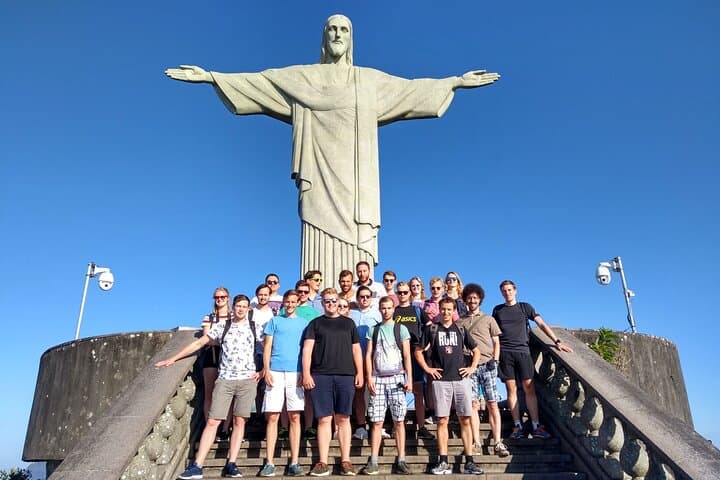
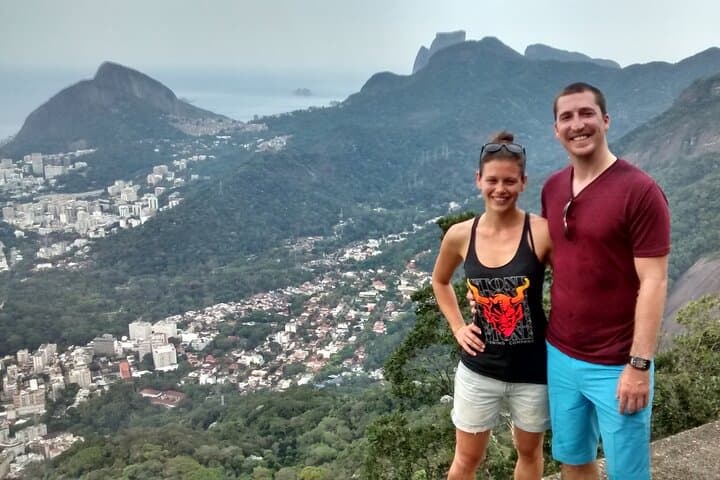
The trail opens beneath a humid canopy; sunlight slices through towering fig and palm leaves as the path climbs toward Corcovado. You can hear the city shrink below you—honking and samba muffled by the forest—and feel the statue’s presence before you see it, a silent figure waiting above the clouds.
Verified experiences and guided adventures in the surrounding area.
Operated by Rio Natural Ecotourism · Rio de Janeiro, Rio de Janeiro
The trail opens beneath a humid canopy; sunlight slices through towering fig and palm leaves as the path climbs toward Corcovado. You can hear the city shrink below you—honking and samba muffled by the forest—and feel the statue’s presence before you see it, a silent figure waiting above the clouds.
Christ the Redeemer sits on a granite dome carved by tectonic uplift and coastal erosion; the Corcovado peak is part of the Serra do Mar escarpment that frames Rio. The route threads Tijuca National Park, an ambitious 19th-century reforestation project that saved this patch of Atlantic Forest. Cultural touchpoints arrive along the way: Parque Lage’s mansion and art school at the trailhead, the smell of coffee vendors near access roads, and small chapels where pilgrims pause.
Expect steep, sometimes slippery stone steps, shaded singletrack, and a few exposed viewpoints. The hike is operationally a half-day to full-day outing: bring water, sun protection, and sturdy shoes; plan for a paid monument entrance (paid at the site) and potential crowds near the summit. Guides often include a waterfall stop to cool off—perfect after a sustained climb.
Practical timing matters: early morning reduces heat and crowds; afternoon storms are common in summer. Respect park rules, stay on marked trails, and pack out trash. For active travelers, the Corcovado approach combines urban access with wild forest energy—an intense, immediate way to meet Rio from below and arrive beneath one of the world’s most recognizable statues.
challenging.
6 hours.
Requires good cardiovascular fitness and strong legs for sustained climbs and stairs; regular hikers will find it manageable.
No—admission to the monument is paid at the site (typically 40–60 BRL), so bring cash or verify card acceptance.
The route is classified as hard; expect steep stairs and sustained uphill sections requiring good fitness and steady pacing.
This tour includes a professional guide and hotel pickup/drop-off as stated in the inclusions.
Not recommended for guests with heart or back problems; children and seniors with good fitness may manage but should be assessed individually.
Christ the Redeemer was completed in 1931, designed by Paul Landowski and Heitor da Silva Costa; Tijuca National Park is a 19th-century reforestation effort that reclaimed degraded land for urban forest.
Tijuca is a managed urban forest—stick to trails, avoid feeding wildlife, and minimize waste to protect sensitive Atlantic Forest species.
Rio Natural Ecotourism operates guided outdoor trips and adventures with an emphasis on safety, stewardship, and memorable experiences.


The trail opens beneath a humid canopy; sunlight slices through towering fig and palm leaves as the path climbs toward Corcovado. You can hear the city shrink below you—honking and samba muffled by the forest—and feel the statue’s presence before you see it, a silent figure waiting above the clouds.
The trail opens beneath a humid canopy; sunlight slices through towering fig and palm leaves as the path climbs toward Corcovado. You can hear the city shrink below you—honking and samba muffled by the forest—and feel the statue’s presence before you see it, a silent figure waiting above the clouds.
Christ the Redeemer sits on a granite dome carved by tectonic uplift and coastal erosion; the Corcovado peak is part of the Serra do Mar escarpment that frames Rio. The route threads Tijuca National Park, an ambitious 19th-century reforestation project that saved this patch of Atlantic Forest. Cultural touchpoints arrive along the way: Parque Lage’s mansion and art school at the trailhead, the smell of coffee vendors near access roads, and small chapels where pilgrims pause.
Expect steep, sometimes slippery stone steps, shaded singletrack, and a few exposed viewpoints. The hike is operationally a half-day to full-day outing: bring water, sun protection, and sturdy shoes; plan for a paid monument entrance (paid at the site) and potential crowds near the summit. Guides often include a waterfall stop to cool off—perfect after a sustained climb.
Practical timing matters: early morning reduces heat and crowds; afternoon storms are common in summer. Respect park rules, stay on marked trails, and pack out trash. For active travelers, the Corcovado approach combines urban access with wild forest energy—an intense, immediate way to meet Rio from below and arrive beneath one of the world’s most recognizable statues.