THE ADVENTURE COLLECTIVE® · Independent discovery and booking for outdoor travel

Walk a paved 18th-century route through Brazil’s Atlantic Forest, cool off in natural pools and slide the Toboggan waterfall, then finish with a traditional cachaça tasting. This guided, moderate 5-hour loop blends history, geology and local culture.
Walk a paved 18th-century route through Brazil’s Atlantic Forest, cool off in natural pools and slide the Toboggan waterfall, then finish with a traditional cachaça tasting. This guided, moderate 5-hour loop blends history, geology and local culture.
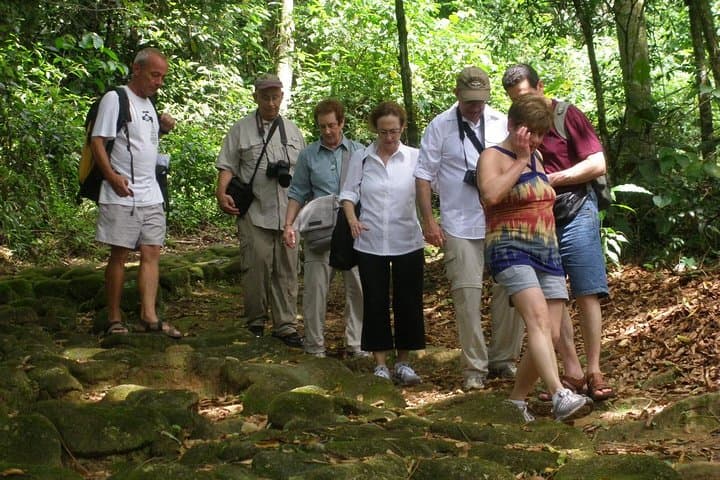
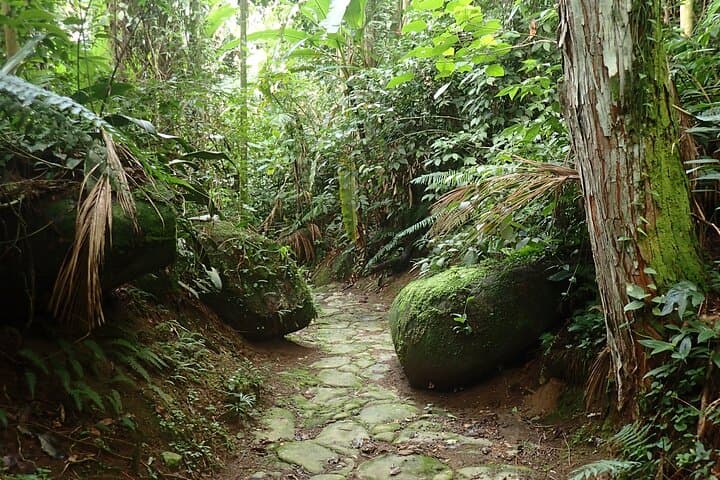
You step off the bus in Paraty and the humid air of the Atlantic Forest greets you—ferns brush your ankles, insects punctuate the quiet, and the old stone path beneath your boots pulls you forward. The Gold Trail cuts up the mountain behind town, its cobbles laid in the 18th century, edges smoothed by generations of footsteps and the occasional rush of water.
Verified experiences and guided adventures in the surrounding area.
Operated by Paraty Explorer · Paraty, Rio de Janeiro
You step off the bus in Paraty and the humid air of the Atlantic Forest greets you—ferns brush your ankles, insects punctuate the quiet, and the old stone path beneath your boots pulls you forward. The Gold Trail cuts up the mountain behind town, its cobbles laid in the 18th century, edges smoothed by generations of footsteps and the occasional rush of water.
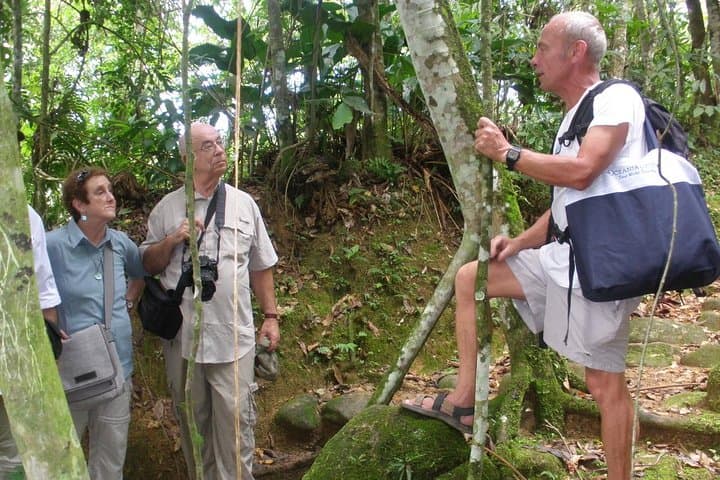
This is a route of layered stories: built by African slaves to move gold and gems toward waiting ships, the path runs along granite outcrops carved by tectonics and weathering, through one of the most threatened ecosystems on Earth. Your state-accredited guide interprets both botany and history—pointing out edible plants, explaining local plantation-era routes, and placing the trail in Brazil’s colonial economy—before leading you to freshwater pools and the famous Toboggan waterfall, a natural rock waterslide locals still ride.
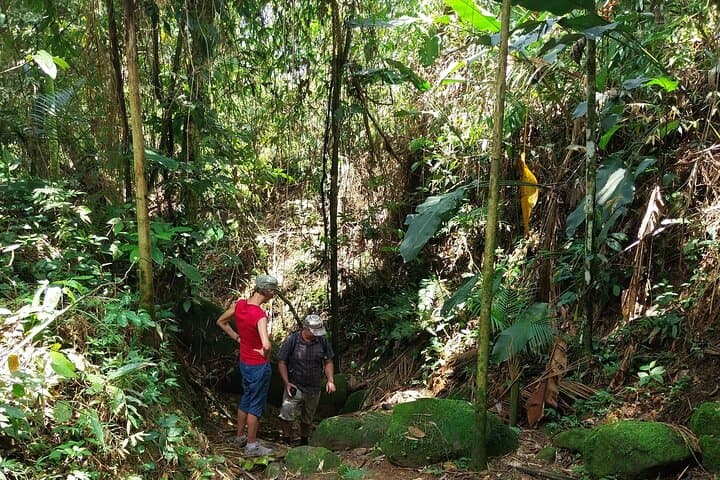
Expect varied terrain: paved colonial cobbles, muddy forest singletrack, and exposed rock near cascades. The walk finishes at a small cachaça distillery where the traditional fermentation and copper-pot distilling methods are demonstrated, followed by a tasting that ties the landscape to local culture.
Practical edge: bring sturdy, grippy footwear and quick-dry clothes, allow about five hours, and be prepared for sudden showers. The trail is only open with an accredited guide; follow their instructions at slippery sections and respect swimming safety at the pools. With moderate fitness and the right gear, the Gold Trail offers a compact, culturally rich rainforest hike that ends with a cool swim and a local rum.
moderate.
5 hours.
Moderate fitness; able to walk uneven terrain, manage short steep sections, and swim if desired
The tour is rated moderate: around five hours with mixed terrain (cobbles, forest trail, rocks). A reasonable level of fitness and sure-footed shoes are required.
Yes—guides stop at freshwater pools and the Toboggan rock slide, but follow the guide’s safety advice; currents and slippery rock can be hazardous.
Yes—the Gold Trail section is only accessible with a state-accredited local guide and the tour includes an English-speaking guide.
The tour lists private transportation as included and typically begins/ends at the Paraty bus station or arranged pickup point per booking details.
The paved Gold Trail was constructed in the 18th century to move mined gold and stones from inland to the coast; African slave labor built and used many of these routes.
The Atlantic Forest around Paraty is highly fragmented; stick to trails, avoid single-use plastics, and support local guides who work on sustainable tourism initiatives.
Paraty Explorer operates guided outdoor trips and adventures with an emphasis on safety, stewardship, and memorable experiences.
You step off the bus in Paraty and the humid air of the Atlantic Forest greets you—ferns brush your ankles, insects punctuate the quiet, and the old stone path beneath your boots pulls you forward. The Gold Trail cuts up the mountain behind town, its cobbles laid in the 18th century, edges smoothed by generations of footsteps and the occasional rush of water.
You step off the bus in Paraty and the humid air of the Atlantic Forest greets you—ferns brush your ankles, insects punctuate the quiet, and the old stone path beneath your boots pulls you forward. The Gold Trail cuts up the mountain behind town, its cobbles laid in the 18th century, edges smoothed by generations of footsteps and the occasional rush of water.
This is a route of layered stories: built by African slaves to move gold and gems toward waiting ships, the path runs along granite outcrops carved by tectonics and weathering, through one of the most threatened ecosystems on Earth. Your state-accredited guide interprets both botany and history—pointing out edible plants, explaining local plantation-era routes, and placing the trail in Brazil’s colonial economy—before leading you to freshwater pools and the famous Toboggan waterfall, a natural rock waterslide locals still ride.
Expect varied terrain: paved colonial cobbles, muddy forest singletrack, and exposed rock near cascades. The walk finishes at a small cachaça distillery where the traditional fermentation and copper-pot distilling methods are demonstrated, followed by a tasting that ties the landscape to local culture.
Practical edge: bring sturdy, grippy footwear and quick-dry clothes, allow about five hours, and be prepared for sudden showers. The trail is only open with an accredited guide; follow their instructions at slippery sections and respect swimming safety at the pools. With moderate fitness and the right gear, the Gold Trail offers a compact, culturally rich rainforest hike that ends with a cool swim and a local rum.