THE ADVENTURE COLLECTIVE® · Independent discovery and booking for outdoor travel

A full‑day hike from Ribes de Freser into the Catalan Pyrenees that reaches high meadows and glacial terrain around Puigmal, Taga, and Núria Valley. Expect rocky ridgelines, alpine wildlife, and panoramic views across Catalonia.
A full‑day hike from Ribes de Freser into the Catalan Pyrenees that reaches high meadows and glacial terrain around Puigmal, Taga, and Núria Valley. Expect rocky ridgelines, alpine wildlife, and panoramic views across Catalonia.
You crest a grassy col and Catalonia folds away beneath you — terraced farms, charcoal-gray ridgelines, and a distant river threading toward Girona. The trail alternates between stony bootpaths, open alpine meadows, and short stands of Scots pine; marmots pipe alarm, and raptors wheel on the thermals above.
Verified experiences and guided adventures in the surrounding area.
Operated by Vladi_guia de muntanya · Ribes de Freser, Catalonia
You crest a grassy col and Catalonia folds away beneath you — terraced farms, charcoal-gray ridgelines, and a distant river threading toward Girona. The trail alternates between stony bootpaths, open alpine meadows, and short stands of Scots pine; marmots pipe alarm, and raptors wheel on the thermals above.
This route surveys the glacial architecture of the eastern Pyrenees: cirques, moraines, and the broad U-shaped valleys carved during the last Ice Age. Human history here is stitched to the land — shepherd trails and mountain refuges trace centuries of transhumance, and small stone chapels mark medieval routes between valleys. Local culture remains mountain‑focused: seasonal grazing, mountain cheeses, and practical stonework.
Expect variable footing and steady climbs if you aim for summits such as Puigmal (≈2,910 m) or Taga (≈2,040 m), or gentler mileage down toward Núria Valley. Wildlife is active at dawn and dusk — chamois and roe deer favor steeper, rocky slopes while marmots occupy the grassier benches.
Practical guidance: a full day runs about seven hours with an elevation range of several hundred to over a thousand meters depending on the chosen peak. Wear sturdy boots with good ankle support, pack layered clothing for rapidly changing mountain weather, and bring 2–3 liters of water plus a compact lunch — picnic provisions are commonly provided on guided departures. Navigation is straightforward on marked paths, but weather can close in fast; plan early starts, monitor forecasts, and respect alpine flora by staying on established trails.
moderate.
7 hours.
Suitable for hikers with regular aerobic activity who can manage sustained climbs of several hundred metres and uneven terrain.
Typical guided departures last about seven hours; difficulty ranges from moderate to strenuous depending on target summit and cumulative elevation gain.
Most departures originate in Ribes de Freser; the town is reachable by regional train or road from Girona and Barcelona, with local shuttle options for trailheads.
Common sightings include marmots, chamois, roe deer, and various birds of prey; animals are most active at dawn and dusk.
Guided tours often cancel or reschedule for severe weather; check the operator’s 24‑hour policy — full refund is usually available if canceled in advance.
The eastern Pyrenees were heavily sculpted by Pleistocene glaciation; human use centers on centuries‑old shepherding and mountain passes connecting Catalan valleys.
Alpine meadows and fragile soils recover slowly; stay on designated trails, pack out waste, and follow seasonal grazing restrictions to reduce impact.
Vladi_guia de muntanya operates guided outdoor trips and adventures with an emphasis on safety, stewardship, and memorable experiences.
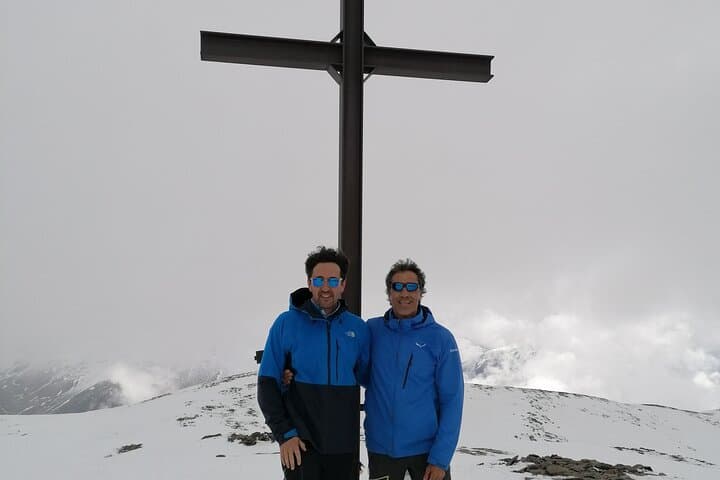
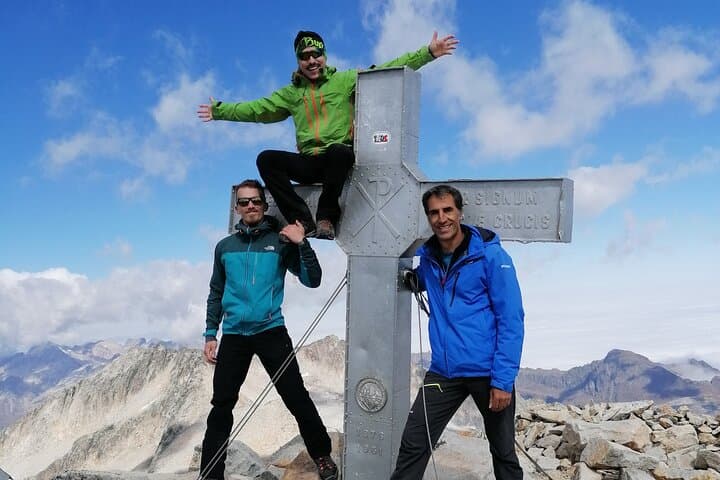
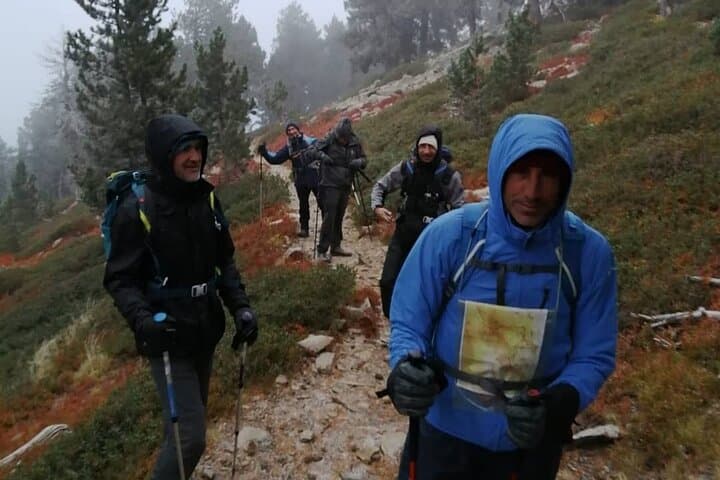
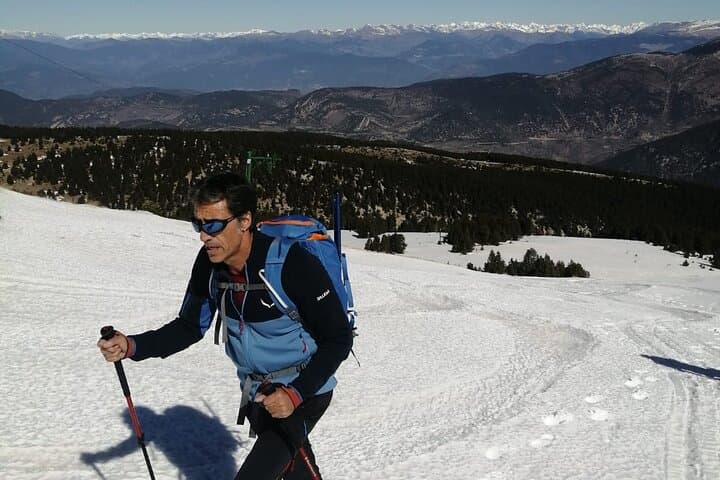
You crest a grassy col and Catalonia folds away beneath you — terraced farms, charcoal-gray ridgelines, and a distant river threading toward Girona. The trail alternates between stony bootpaths, open alpine meadows, and short stands of Scots pine; marmots pipe alarm, and raptors wheel on the thermals above.
You crest a grassy col and Catalonia folds away beneath you — terraced farms, charcoal-gray ridgelines, and a distant river threading toward Girona. The trail alternates between stony bootpaths, open alpine meadows, and short stands of Scots pine; marmots pipe alarm, and raptors wheel on the thermals above.
This route surveys the glacial architecture of the eastern Pyrenees: cirques, moraines, and the broad U-shaped valleys carved during the last Ice Age. Human history here is stitched to the land — shepherd trails and mountain refuges trace centuries of transhumance, and small stone chapels mark medieval routes between valleys. Local culture remains mountain‑focused: seasonal grazing, mountain cheeses, and practical stonework.
Expect variable footing and steady climbs if you aim for summits such as Puigmal (≈2,910 m) or Taga (≈2,040 m), or gentler mileage down toward Núria Valley. Wildlife is active at dawn and dusk — chamois and roe deer favor steeper, rocky slopes while marmots occupy the grassier benches.
Practical guidance: a full day runs about seven hours with an elevation range of several hundred to over a thousand meters depending on the chosen peak. Wear sturdy boots with good ankle support, pack layered clothing for rapidly changing mountain weather, and bring 2–3 liters of water plus a compact lunch — picnic provisions are commonly provided on guided departures. Navigation is straightforward on marked paths, but weather can close in fast; plan early starts, monitor forecasts, and respect alpine flora by staying on established trails.