THE ADVENTURE COLLECTIVE® · Independent discovery and booking for outdoor travel

Follow an ancient monastic route through Lebanon’s Qadisha Valley from Mar Lishaa to the cliff-perched Qannoubine Monastery. This 10.6 km round trip mixes carved limestone gorges, waterfalls and living religious history.
Follow an ancient monastic route through Lebanon’s Qadisha Valley from Mar Lishaa to the cliff-perched Qannoubine Monastery. This 10.6 km round trip mixes carved limestone gorges, waterfalls and living religious history.
You step off the narrow lane and the valley swallows the sound of traffic — only birdsong, rushing water and the distant murmur of monks remain. The trail drops gently from Mar Lishaa (St Lichaa) and threads the Qadisha (Holy) Valley, where limestone walls rise several hundred meters and waterfalls spill into shaded pools that dare you to pause.
Verified experiences and guided adventures in the surrounding area.
Operated by Explore Lebanon Tours · Bsharri, North Governorate
You step off the narrow lane and the valley swallows the sound of traffic — only birdsong, rushing water and the distant murmur of monks remain. The trail drops gently from Mar Lishaa (St Lichaa) and threads the Qadisha (Holy) Valley, where limestone walls rise several hundred meters and waterfalls spill into shaded pools that dare you to pause.
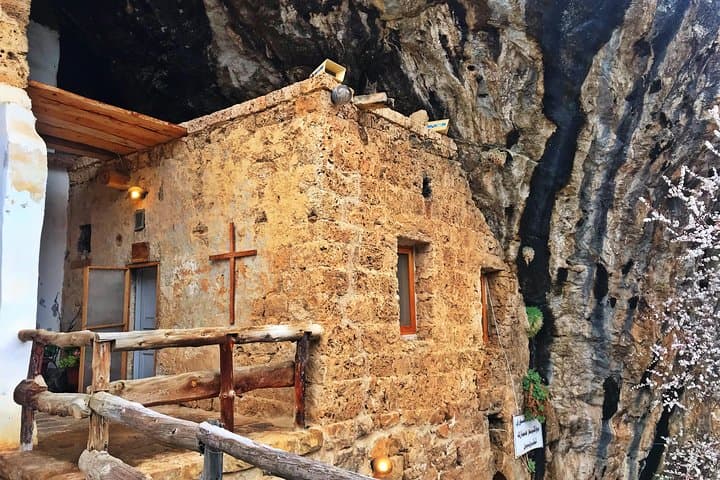
Qadisha has sheltered Christian monastic communities since late antiquity; many monasteries, including the medieval Qannoubine complex, cling to cliff benches or hide in grottos. Geologically the valley is a carved karst landscape: caves, narrow gorges and terraced rock formed by millennia of water cutting through limestone. Culturally this is living history — prayer, pilgrimage and simple agricultural life still shape the slopes above villages like Bsharri.
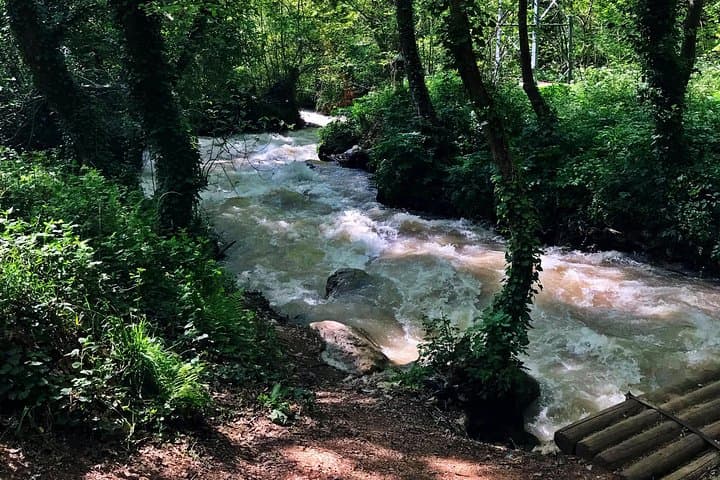
Practically, the outward leg to Qannoubine is about 5.3 km along defined paths, with a 10.6 km round trip total and roughly 2.5–3.5 hours of walking at a moderate pace. Expect uneven stone steps, occasional loose scree and creek crossings after rain. The operator provides bottled water, snacks and private transfer; guides often pause at viewpoints and sacred sites — show respect at monasteries and follow any photography limits.
Plan for early starts to avoid midday heat, wear supportive footwear and layer for shade to wind changes. Navigation is straightforward on marked tracks, but cell signal can be patchy; bring a paper map or download offline directions. Done thoughtfully, this hike pairs quiet reflection with classic Lebanese mountain scenery.
moderate.
2.5–3.5 hours.
Moderate fitness; able to sustain steady walking on uneven, sometimes rocky terrain.
The route is about 5.3 km one way (10.6 km round trip) and is rated moderate—uneven trail and some elevation changes but no technical climbing.
A guide isn’t required on marked sections but a local guide or organized tour adds cultural context, navigation help and private transfer convenience.
Many monasteries allow visitors outside service times; dress modestly and follow posted rules—some areas may be restricted.
Spring and fall offer the most comfortable temperatures and flowing waterfalls; summer can be hot on exposed sections, and winter may bring wet, slippery trails.
Qadisha Valley has been a refuge for Christian monastic communities since late antiquity; many cliffside monasteries date to the Byzantine and medieval periods and remain active.
Qadisha is a protected cultural landscape and UNESCO World Heritage site; stick to trails, avoid disturbing caves and carry out all trash to help preserve fragile karst ecosystems.
Explore Lebanon Tours operates guided outdoor trips and adventures with an emphasis on safety, stewardship, and memorable experiences.
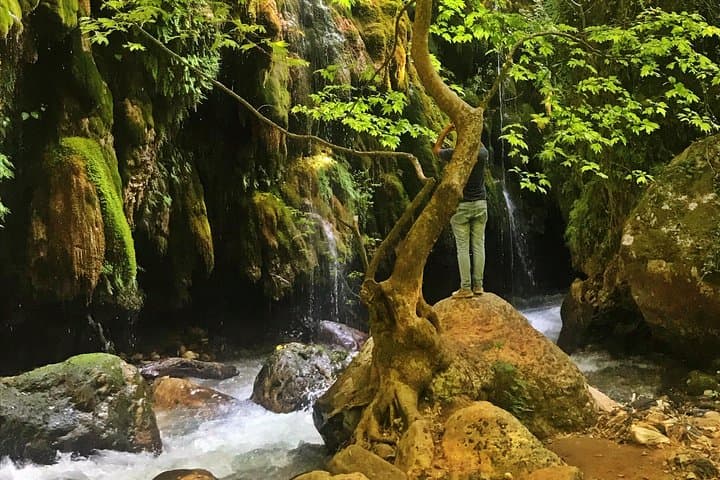
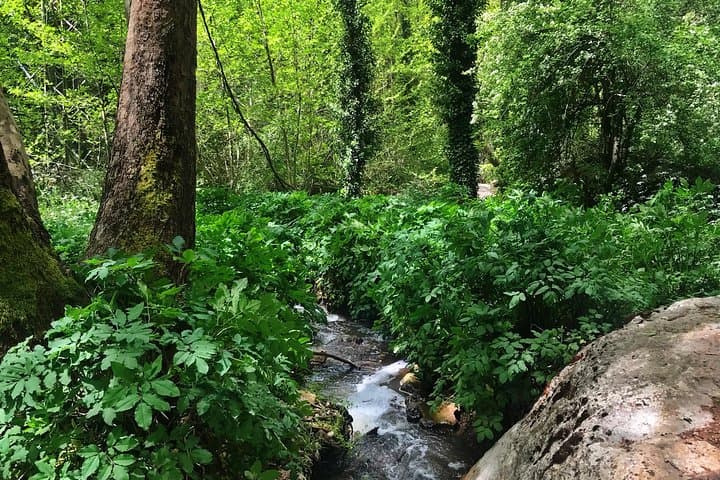
You step off the narrow lane and the valley swallows the sound of traffic — only birdsong, rushing water and the distant murmur of monks remain. The trail drops gently from Mar Lishaa (St Lichaa) and threads the Qadisha (Holy) Valley, where limestone walls rise several hundred meters and waterfalls spill into shaded pools that dare you to pause.
You step off the narrow lane and the valley swallows the sound of traffic — only birdsong, rushing water and the distant murmur of monks remain. The trail drops gently from Mar Lishaa (St Lichaa) and threads the Qadisha (Holy) Valley, where limestone walls rise several hundred meters and waterfalls spill into shaded pools that dare you to pause.
Qadisha has sheltered Christian monastic communities since late antiquity; many monasteries, including the medieval Qannoubine complex, cling to cliff benches or hide in grottos. Geologically the valley is a carved karst landscape: caves, narrow gorges and terraced rock formed by millennia of water cutting through limestone. Culturally this is living history — prayer, pilgrimage and simple agricultural life still shape the slopes above villages like Bsharri.
Practically, the outward leg to Qannoubine is about 5.3 km along defined paths, with a 10.6 km round trip total and roughly 2.5–3.5 hours of walking at a moderate pace. Expect uneven stone steps, occasional loose scree and creek crossings after rain. The operator provides bottled water, snacks and private transfer; guides often pause at viewpoints and sacred sites — show respect at monasteries and follow any photography limits.
Plan for early starts to avoid midday heat, wear supportive footwear and layer for shade to wind changes. Navigation is straightforward on marked tracks, but cell signal can be patchy; bring a paper map or download offline directions. Done thoughtfully, this hike pairs quiet reflection with classic Lebanese mountain scenery.