THE ADVENTURE COLLECTIVE® · Independent discovery and booking for outdoor travel

A high-altitude day hike from Cusco to Vinicunca reveals banded mineral slopes and Andean pastoral life. This full-day outing combines a long transfer with a 12 km round-trip trek; altitude and weather are the real challenges.
A high-altitude day hike from Cusco to Vinicunca reveals banded mineral slopes and Andean pastoral life. This full-day outing combines a long transfer with a 12 km round-trip trek; altitude and weather are the real challenges.
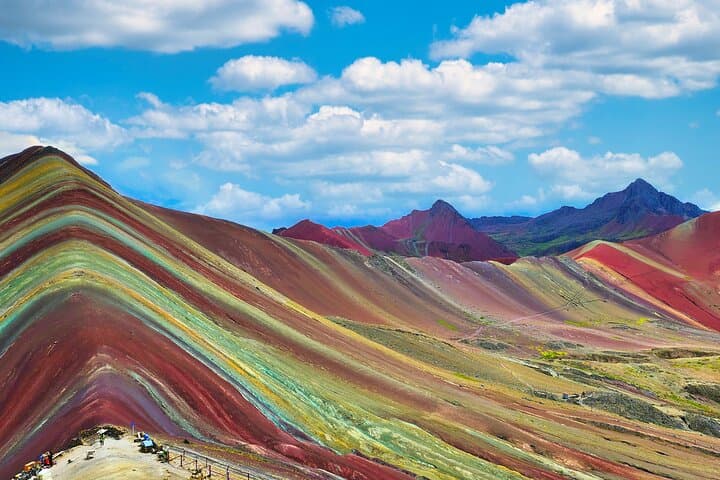
A wind-bleached plateau opens as the road drops toward the Vinicunca basecamp; the air is thin and sharp, and the trail ahead cuts across ochre tundra toward a banded summit that seems to be painted in stripes of ochre, rust and mint.
Verified experiences and guided adventures in the surrounding area.
Operated by Peru Sceneries · Cusco, Cusco Region
A wind-bleached plateau opens as the road drops toward the Vinicunca basecamp; the air is thin and sharp, and the trail ahead cuts across ochre tundra toward a banded summit that seems to be painted in stripes of ochre, rust and mint.
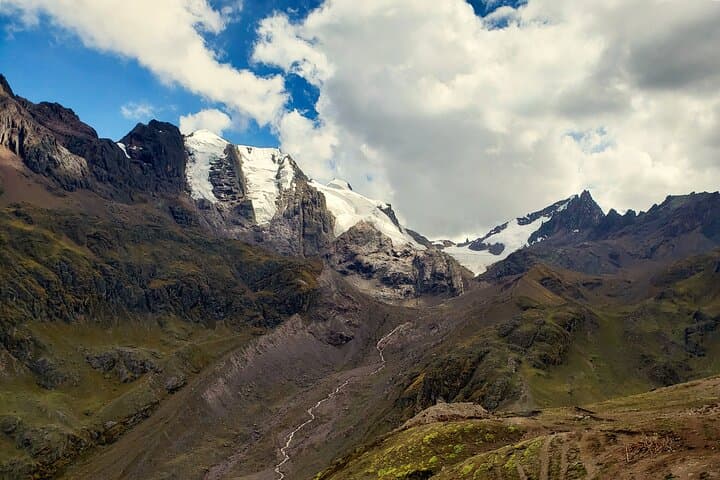
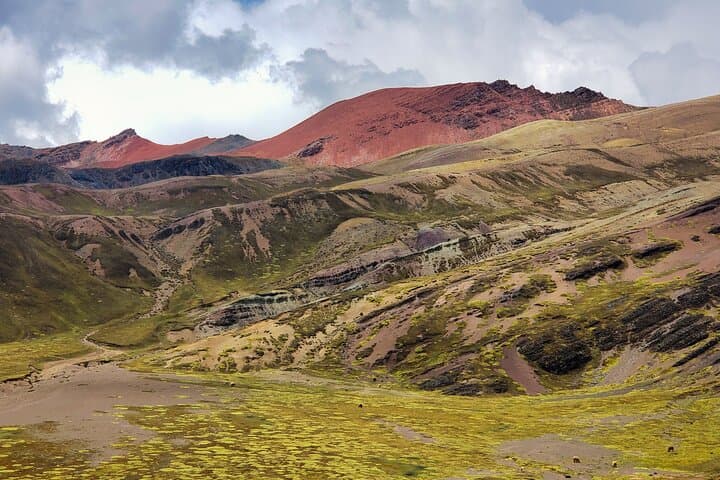
The Rainbow Mountain sits on the eastern flank of the Vilcanota range near Ausangate. Its colors come from layered mineral deposits—iron oxides, copper salts and other sediments—exposed by glacial and tectonic forces over millions of years. Local Quechua communities have grazed llamas and alpacas here for generations, and shepherd tracks still stitch the high slopes.
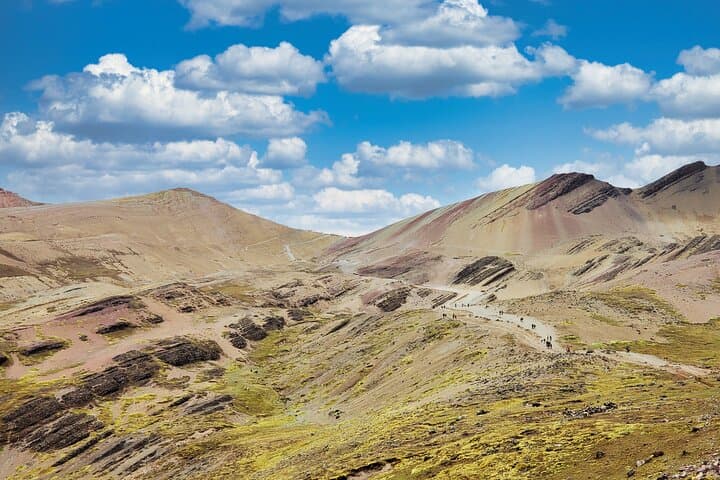
Expect a full day that begins with a pre-dawn transfer from Cusco through agricultural villages to Cusipata, then a steep 4–6 hour round-trip hike of roughly 12 km with several sustained climbs and maximum altitude approaching 5,000 m (16,400 ft). The path alternates packed earth, scree and short rocky switchbacks; watch for sudden wind and quick weather shifts.
Practical guidance: spend at least 24–48 hours in Cusco to acclimatize, bring layered clothing, sun protection and extra water, and use poles to steady descents. Guides often include breakfast, lunch and walking sticks, and most tours return to Cusco by late afternoon. Photographers should plan a short window at the ridge for best light, and hikers should move steadily—altitude, not distance, determines the pace here.
challenging.
10–12 hours.
Good cardiovascular fitness and experience with steady uphill hiking help—expect steep sections at high altitude.
The trek to and from the Rainbow Mountain base is about 12 km round-trip and typically takes 4–6 hours depending on pace and acclimatization.
Yes—Vinicunca reaches near 5,000 m. Symptoms can occur even in fit travelers; acclimatize in Cusco, hydrate, and descend if symptoms worsen.
Most full-day tours include hotel pickup/drop-off, breakfast, lunch, and a certified guide; check your operator’s inclusions for specifics.
It depends on fitness and altitude tolerance; short breaks and horseback options are offered by some operators but pregnant travelers and those with serious heart or spinal issues are advised not to go.
The mountain sits within traditional Quechua grazing lands and has become popular only in the last decade as tourism revealed its exposed mineral bands.
Rising foot traffic strains fragile puna vegetation and water sources—practice Leave No Trace and support local guides to funnel benefits back to communities.
Peru Sceneries operates guided outdoor trips and adventures with an emphasis on safety, stewardship, and memorable experiences.
A wind-bleached plateau opens as the road drops toward the Vinicunca basecamp; the air is thin and sharp, and the trail ahead cuts across ochre tundra toward a banded summit that seems to be painted in stripes of ochre, rust and mint.
A wind-bleached plateau opens as the road drops toward the Vinicunca basecamp; the air is thin and sharp, and the trail ahead cuts across ochre tundra toward a banded summit that seems to be painted in stripes of ochre, rust and mint.
The Rainbow Mountain sits on the eastern flank of the Vilcanota range near Ausangate. Its colors come from layered mineral deposits—iron oxides, copper salts and other sediments—exposed by glacial and tectonic forces over millions of years. Local Quechua communities have grazed llamas and alpacas here for generations, and shepherd tracks still stitch the high slopes.
Expect a full day that begins with a pre-dawn transfer from Cusco through agricultural villages to Cusipata, then a steep 4–6 hour round-trip hike of roughly 12 km with several sustained climbs and maximum altitude approaching 5,000 m (16,400 ft). The path alternates packed earth, scree and short rocky switchbacks; watch for sudden wind and quick weather shifts.
Practical guidance: spend at least 24–48 hours in Cusco to acclimatize, bring layered clothing, sun protection and extra water, and use poles to steady descents. Guides often include breakfast, lunch and walking sticks, and most tours return to Cusco by late afternoon. Photographers should plan a short window at the ridge for best light, and hikers should move steadily—altitude, not distance, determines the pace here.