THE ADVENTURE COLLECTIVE® · Independent discovery and booking for outdoor travel

A full-day trek from Cusco to the vividly banded slopes of Vinicunca (Rainbow Mountain) that pairs high-altitude challenge with striking geology and cultural context. Expect a long day, thin air, and spectacular views best seen in the dry season.
A full-day trek from Cusco to the vividly banded slopes of Vinicunca (Rainbow Mountain) that pairs high-altitude challenge with striking geology and cultural context. Expect a long day, thin air, and spectacular views best seen in the dry season.
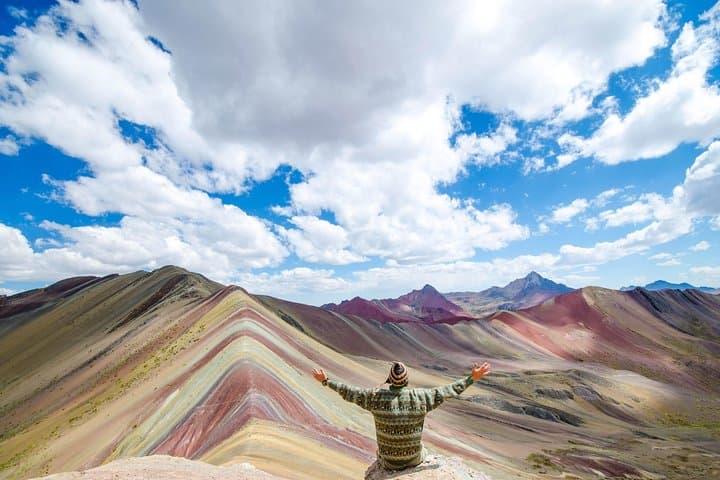
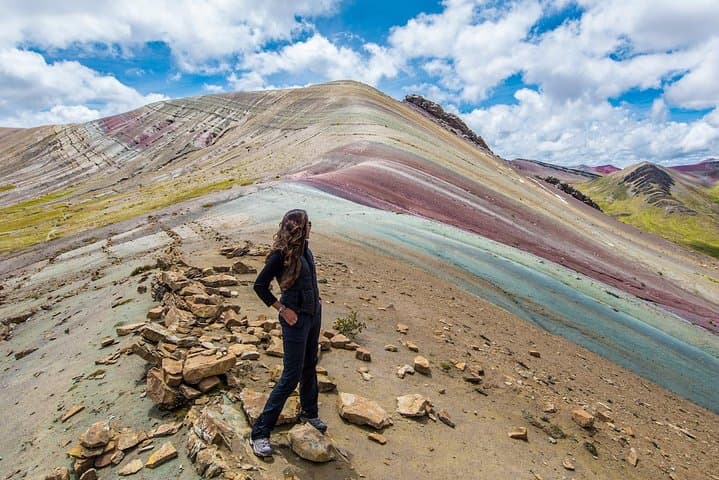
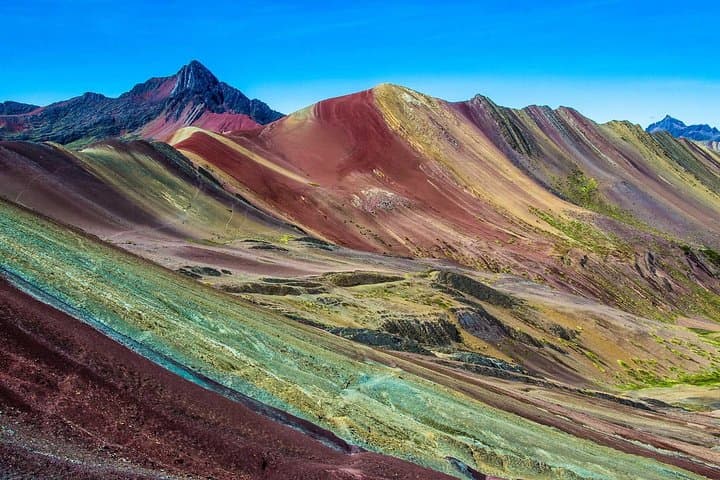
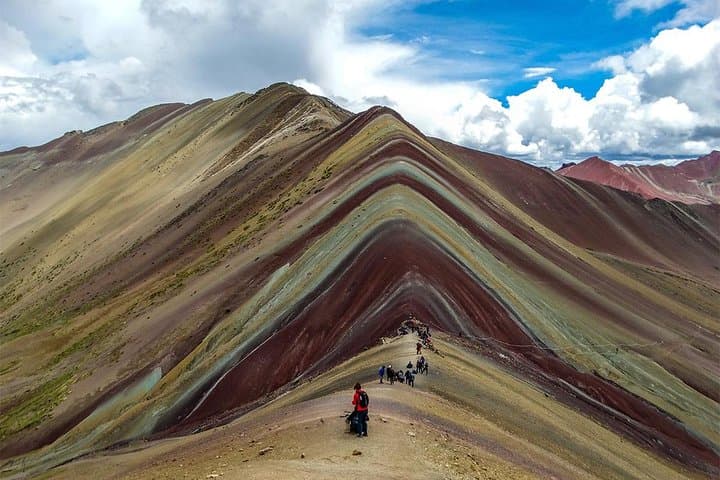
You step out of the van before dawn and the high Andes take a breath around you: thin air, a sky that presses close, and a slope where bands of ochre, rust and mint cut across the hillside like a geological chart. Wind teases tufts of puna grass and herds of alpacas lift their heads, curious as you begin the climb toward Rainbow Mountain.
Verified experiences and guided adventures in the surrounding area.
Operated by Minka Peru Expeditions · Cusco, Cusco Region
You step out of the van before dawn and the high Andes take a breath around you: thin air, a sky that presses close, and a slope where bands of ochre, rust and mint cut across the hillside like a geological chart. Wind teases tufts of puna grass and herds of alpacas lift their heads, curious as you begin the climb toward Rainbow Mountain.
The mountain’s stripes are the result of mineral-rich sedimentary layers uplifted by tectonic forces and revealed by glacier and water erosion; iron oxides and other minerals paint the ridges. The peak sits in the shadow of Ausangate, a mountain long-held sacred by local Quechua communities, and the route threads past grazing grounds, seasonal shelters and trails used for centuries. Condors still wheel above the high valleys, and guides often offer context about traditional pastoral life and the geology beneath your boots.
Practically: expect a vigorous 7-km trek on uneven, rocky terrain with steep sections and switchbacks, starting from roughly 4,300 m and rising to about 5,020 m (16,467 ft). The full excursion from Cusco is a long day—12–14 hours including transport, meals and stops—and altitude is the main challenge. Walk slowly, use layers to counter rapid weather shifts, carry sunscreen and at least 1–2 liters of water, and plan at least 24–48 hours in Cusco to acclimatize. Tours commonly include pickup, a guide, breakfast, buffet lunch and a small oxygen canister if needed. The colors are best on clear, dry days; if clouds roll in the hues soften, but the highland landscape still rewards the effort.
challenging.
12–14 hours (full day).
Should be in good cardiovascular shape and comfortable with sustained uphill hiking at high altitude
Vinicunca sits around 5,020 m (16,467 ft). Many people feel mild altitude symptoms—headache, nausea, breathlessness—so acclimatize in Cusco and ascend slowly; guides often carry oxygen canisters.
The hiking portion is roughly 7 km with steep sections and uneven footing; it’s physically demanding mainly because of the altitude rather than technical terrain.
Children and older travelers can do the route if acclimatized and fit, but the altitude and long day make it unsuitable for those with heart or serious respiratory conditions.
Typical tours include hotel pickup in central Cusco, a light breakfast, buffet lunch, a bilingual guide, and basic first aid; bring snacks, water and small cash for local vendors.
The colored strata are exposed sedimentary layers altered by mineral oxidation; the region sits within cultural territory historically linked to Ausangate, a mountain revered in Andean cosmology.
High puna vegetation is fragile and slow to recover—stick to established trails, pack out waste, and support local guides and communities to minimize tourism impact.
Minka Peru Expeditions operates guided outdoor trips and adventures with an emphasis on safety, stewardship, and memorable experiences.
You step out of the van before dawn and the high Andes take a breath around you: thin air, a sky that presses close, and a slope where bands of ochre, rust and mint cut across the hillside like a geological chart. Wind teases tufts of puna grass and herds of alpacas lift their heads, curious as you begin the climb toward Rainbow Mountain.
You step out of the van before dawn and the high Andes take a breath around you: thin air, a sky that presses close, and a slope where bands of ochre, rust and mint cut across the hillside like a geological chart. Wind teases tufts of puna grass and herds of alpacas lift their heads, curious as you begin the climb toward Rainbow Mountain.
The mountain’s stripes are the result of mineral-rich sedimentary layers uplifted by tectonic forces and revealed by glacier and water erosion; iron oxides and other minerals paint the ridges. The peak sits in the shadow of Ausangate, a mountain long-held sacred by local Quechua communities, and the route threads past grazing grounds, seasonal shelters and trails used for centuries. Condors still wheel above the high valleys, and guides often offer context about traditional pastoral life and the geology beneath your boots.
Practically: expect a vigorous 7-km trek on uneven, rocky terrain with steep sections and switchbacks, starting from roughly 4,300 m and rising to about 5,020 m (16,467 ft). The full excursion from Cusco is a long day—12–14 hours including transport, meals and stops—and altitude is the main challenge. Walk slowly, use layers to counter rapid weather shifts, carry sunscreen and at least 1–2 liters of water, and plan at least 24–48 hours in Cusco to acclimatize. Tours commonly include pickup, a guide, breakfast, buffet lunch and a small oxygen canister if needed. The colors are best on clear, dry days; if clouds roll in the hues soften, but the highland landscape still rewards the effort.