THE ADVENTURE COLLECTIVE® · Independent discovery and booking for outdoor travel

Stand at 5,050 meters and watch the Andes unfold: Rainbow Mountain’s colors and the rust-red bowls of Red Valley form a compact, high-altitude day trek from Cusco. Learn what to expect—distance, terrain, and how to prepare for the thin air and quick weather.
Stand at 5,050 meters and watch the Andes unfold: Rainbow Mountain’s colors and the rust-red bowls of Red Valley form a compact, high-altitude day trek from Cusco. Learn what to expect—distance, terrain, and how to prepare for the thin air and quick weather.
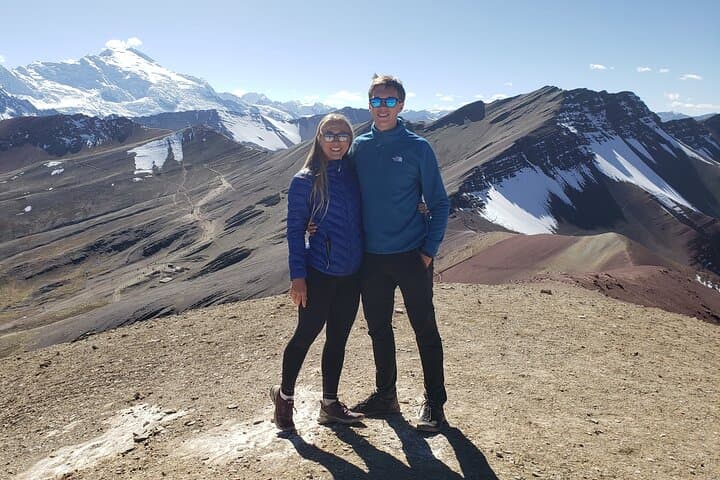
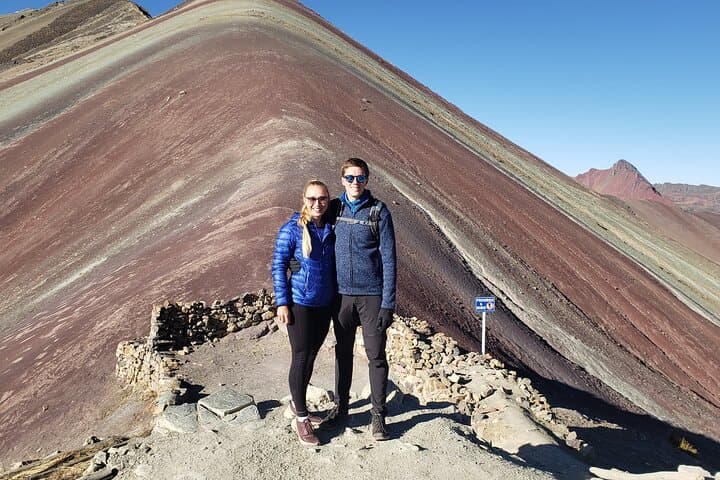
A thin morning light reveals the Andes in hard relief as the van climbs the South Valley toward the trailhead. At 5,050 meters (16,568 ft), Rainbow Mountain (Vinicunca) sits above a patchwork of puna grass and mineral-streaked slopes; the air is cold and breath is deliberate. The route climbs through open highland terrain, trades wind for wide panoramas, then eases into the ochre bowls of Red Valley where iron-rich soils paint the ridges rust and crimson.
Verified experiences and guided adventures in the surrounding area.
Operated by Incatrekkers Day Tours · Cusco, Cusco Region
A thin morning light reveals the Andes in hard relief as the van climbs the South Valley toward the trailhead. At 5,050 meters (16,568 ft), Rainbow Mountain (Vinicunca) sits above a patchwork of puna grass and mineral-streaked slopes; the air is cold and breath is deliberate. The route climbs through open highland terrain, trades wind for wide panoramas, then eases into the ochre bowls of Red Valley where iron-rich soils paint the ridges rust and crimson.
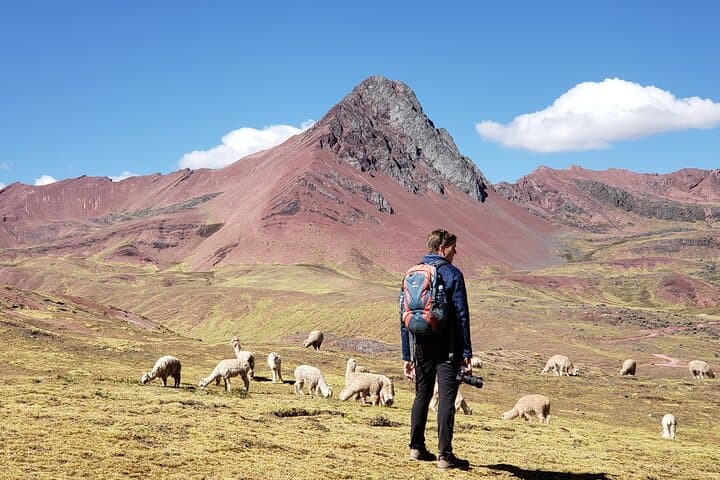
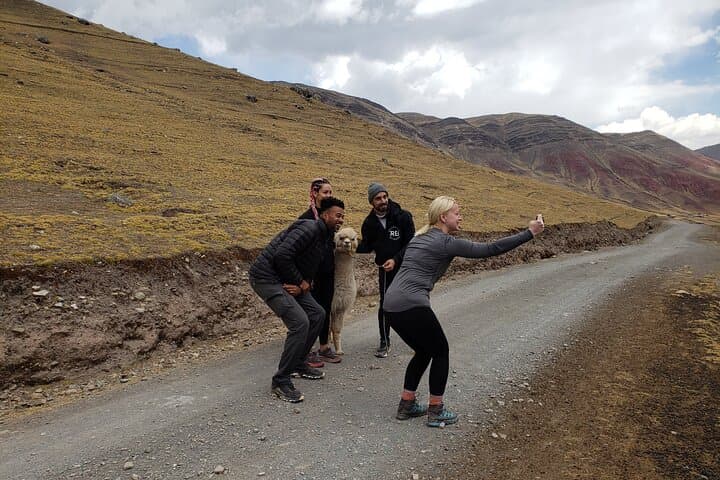
Geology here is immediate: iron and copper oxides layered over sedimentary and volcanic strata create the striped colors that drew attention only in the past decade. The area is part of the greater Ausangate massif and sits on ancestral Quechua territory—local shepherding communities maintain llama and alpaca herds and continue ritual practices tied to the mountains.
Expect roughly 6 km round-trip on exposed, rocky trail with an elevation gain commonly between 400–700 m depending on your starting point; footing ranges from packed dirt to loose scree and short steeps. Weather swings fast—sun, wind and cold can all arrive within an hour.
Practical guidance: acclimatize in Cusco for 48–72 hours before the hike, carry layered insulation, sun protection and at least 2–3 liters of water, and use trekking poles for steep or loose sections. Most guided itineraries include pickup, breakfast, a roughly 2-hour summit window for photos, a trek through Red Valley, and lunch before the return to Cusco. With preparation, the hike is a sharp, rewarding exposure to high-Andes landscapes and living mountain culture.
challenging.
10–11 hours.
Good cardiovascular fitness and prior high-altitude hiking experience recommended; ability to hike on uneven ground for several hours.
Typical guided itineraries include about 6 km round-trip with roughly 400–700 m elevation gain, depending on the trailhead used.
Yes—spend 48–72 hours in Cusco or nearby at lower exertion levels to reduce altitude sickness risk before attempting the hike.
Supportive, waterproof hiking boots with good tread are recommended due to rocky, loose sections and variable weather.
No—carry sufficient water and snacks; guided tours typically provide breakfast and lunch but not extra supplies on the trail.
The colorful layers are surface expressions of mineral deposits over uplifted sedimentary and volcanic rock tied to the Ausangate geological complex; the area is within traditional Quechua lands with centuries of pastoral use.
High visitor numbers strain fragile puna soils and cultural sites; stick to established trails, avoid littering, and support local guides and communities to minimize impact.
Incatrekkers Day Tours operates guided outdoor trips and adventures with an emphasis on safety, stewardship, and memorable experiences.
A thin morning light reveals the Andes in hard relief as the van climbs the South Valley toward the trailhead. At 5,050 meters (16,568 ft), Rainbow Mountain (Vinicunca) sits above a patchwork of puna grass and mineral-streaked slopes; the air is cold and breath is deliberate. The route climbs through open highland terrain, trades wind for wide panoramas, then eases into the ochre bowls of Red Valley where iron-rich soils paint the ridges rust and crimson.
A thin morning light reveals the Andes in hard relief as the van climbs the South Valley toward the trailhead. At 5,050 meters (16,568 ft), Rainbow Mountain (Vinicunca) sits above a patchwork of puna grass and mineral-streaked slopes; the air is cold and breath is deliberate. The route climbs through open highland terrain, trades wind for wide panoramas, then eases into the ochre bowls of Red Valley where iron-rich soils paint the ridges rust and crimson.
Geology here is immediate: iron and copper oxides layered over sedimentary and volcanic strata create the striped colors that drew attention only in the past decade. The area is part of the greater Ausangate massif and sits on ancestral Quechua territory—local shepherding communities maintain llama and alpaca herds and continue ritual practices tied to the mountains.
Expect roughly 6 km round-trip on exposed, rocky trail with an elevation gain commonly between 400–700 m depending on your starting point; footing ranges from packed dirt to loose scree and short steeps. Weather swings fast—sun, wind and cold can all arrive within an hour.
Practical guidance: acclimatize in Cusco for 48–72 hours before the hike, carry layered insulation, sun protection and at least 2–3 liters of water, and use trekking poles for steep or loose sections. Most guided itineraries include pickup, breakfast, a roughly 2-hour summit window for photos, a trek through Red Valley, and lunch before the return to Cusco. With preparation, the hike is a sharp, rewarding exposure to high-Andes landscapes and living mountain culture.