THE ADVENTURE COLLECTIVE® · Independent discovery and booking for outdoor travel

Climb Santiago’s rooftop on a guided trek to Pico de Antónia. This half-day hike combines volcanic ridgelines, village landscapes, and island-spanning views—best done early for light, cooler air, and the clearest vistas.
Climb Santiago’s rooftop on a guided trek to Pico de Antónia. This half-day hike combines volcanic ridgelines, village landscapes, and island-spanning views—best done early for light, cooler air, and the clearest vistas.
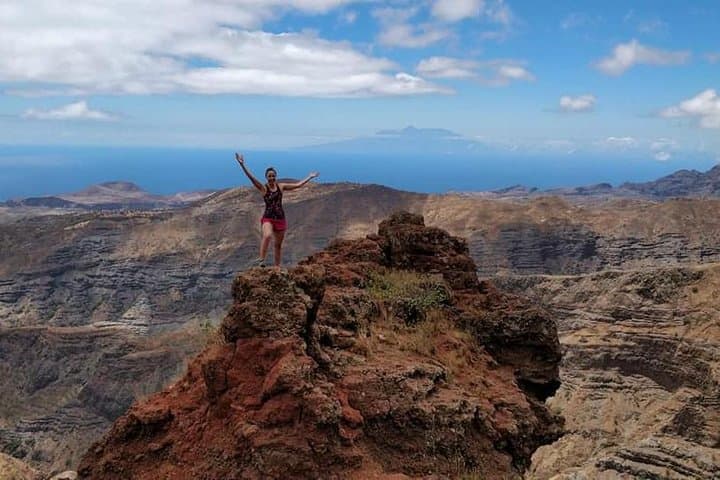
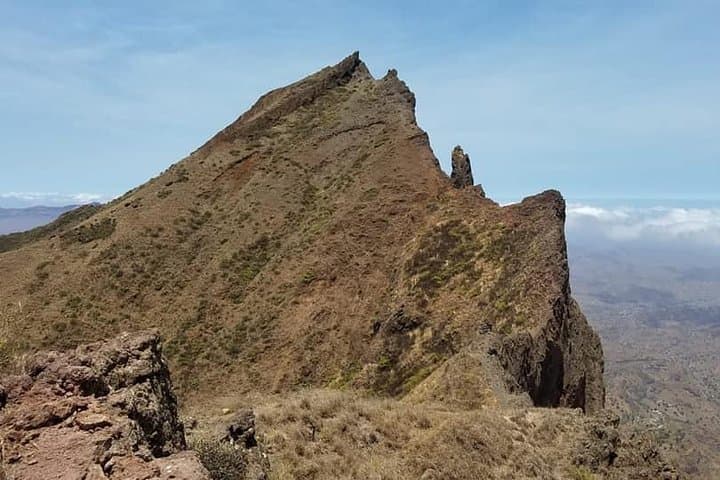
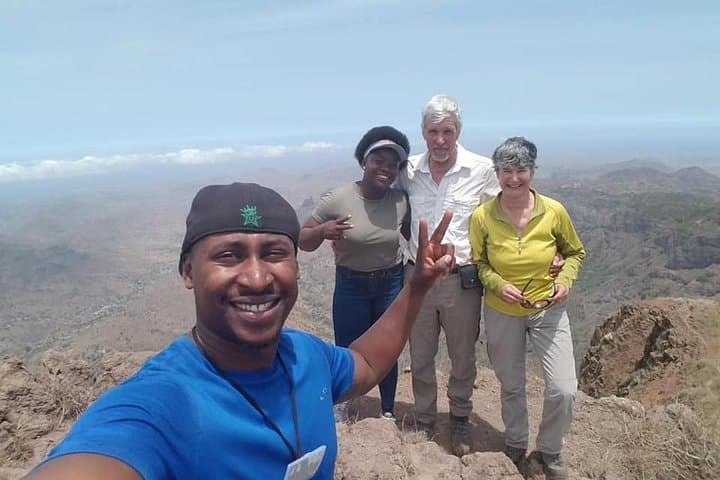
A dusty morning road carries you from Praia up into the island’s spine, the van spilling hikers into the village of Rui Vaz where the trail tucks into chestnut-colored fields and low, wind-sculpted shrubs. The climb tightens—the path narrows, volcanic scree gives way to grassy ledges, and the peak seems to lean toward you, daring you to keep pace. At the summit, wind cuts cleanly across the plateau; on clear days the islands of Fogo and Maio sit on the horizon like distant shipwrecks you can almost reach.
Verified experiences and guided adventures in the surrounding area.
Operated by RURAL TOURS · Rui Vaz, Santiago
A dusty morning road carries you from Praia up into the island’s spine, the van spilling hikers into the village of Rui Vaz where the trail tucks into chestnut-colored fields and low, wind-sculpted shrubs. The climb tightens—the path narrows, volcanic scree gives way to grassy ledges, and the peak seems to lean toward you, daring you to keep pace. At the summit, wind cuts cleanly across the plateau; on clear days the islands of Fogo and Maio sit on the horizon like distant shipwrecks you can almost reach.
Geology here is recent and volcanic: the ridge is made of hardened lava flows and ash that shaped Santiago’s steep valleys and fertile terraces. Human history intersects the slopes—small villages carved contour farms into the hillsides since the Portuguese era, and trails still pass coffee plots and stone walls that mark generations of subsistence agriculture.
Expect broad, exposed vistas, intermittent shade, and a trail that alternates between packed dirt, rocky switchbacks, and short grasslands. Weather can change fast; mist fills the bowl around the summit and then clears to reveal sweeping panoramas.
Practical guidance: start early to avoid heat and wind at midday, bring at least 2–3 liters of water, sturdy boots, and layered clothing. The guided trip includes pickup and lunch, but the hiking itself requires steady footing and moderate fitness. Respect private plots, stay on the path to limit erosion, and hire local guides to support the village economy and ensure safe route-finding. Reach the top, take a slow breath, and let the island stretch beneath you—this is high-country walking with island clarity and honest effort.
challenging.
4–5 hours.
Good cardiovascular fitness and steady hiking ability; expect sustained climbs and uneven terrain
The route is challenging due to sustained elevation gain and uneven terrain; a moderate to high fitness level is recommended.
On clear days you can see Fogo and Maio to the east-southeast; visibility depends on morning clarity and wind.
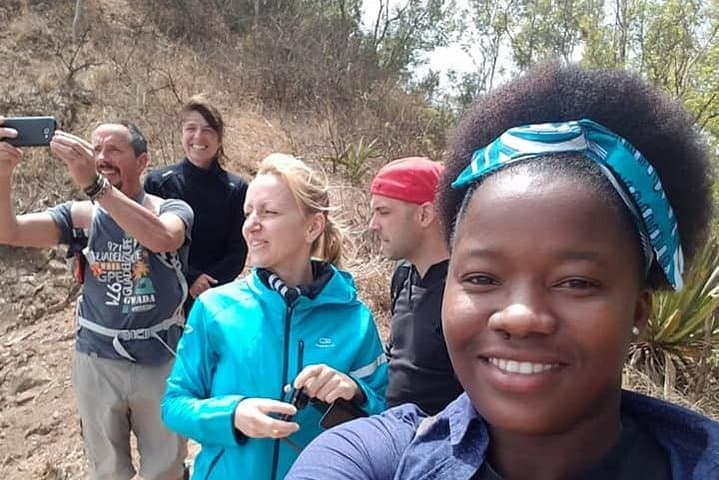
Trails are visible but can be indistinct in places; a local guide improves navigation, shares cultural context, and supports local communities.
The tour includes lunch, but bring snacks and 2–3 liters of water for the hike itself—there are no reliable springs on the route.
The mountain and surrounding slopes have long supported smallholder agriculture since colonial times; stone terraces and rural paths reflect generations of hillside farming.
Trails are vulnerable to erosion; stay on established paths, avoid trampling terraces, and hire local guides to direct visitation and economic benefit.
RURAL TOURS operates guided outdoor trips and adventures with an emphasis on safety, stewardship, and memorable experiences.
A dusty morning road carries you from Praia up into the island’s spine, the van spilling hikers into the village of Rui Vaz where the trail tucks into chestnut-colored fields and low, wind-sculpted shrubs. The climb tightens—the path narrows, volcanic scree gives way to grassy ledges, and the peak seems to lean toward you, daring you to keep pace. At the summit, wind cuts cleanly across the plateau; on clear days the islands of Fogo and Maio sit on the horizon like distant shipwrecks you can almost reach.
A dusty morning road carries you from Praia up into the island’s spine, the van spilling hikers into the village of Rui Vaz where the trail tucks into chestnut-colored fields and low, wind-sculpted shrubs. The climb tightens—the path narrows, volcanic scree gives way to grassy ledges, and the peak seems to lean toward you, daring you to keep pace. At the summit, wind cuts cleanly across the plateau; on clear days the islands of Fogo and Maio sit on the horizon like distant shipwrecks you can almost reach.
Geology here is recent and volcanic: the ridge is made of hardened lava flows and ash that shaped Santiago’s steep valleys and fertile terraces. Human history intersects the slopes—small villages carved contour farms into the hillsides since the Portuguese era, and trails still pass coffee plots and stone walls that mark generations of subsistence agriculture.
Expect broad, exposed vistas, intermittent shade, and a trail that alternates between packed dirt, rocky switchbacks, and short grasslands. Weather can change fast; mist fills the bowl around the summit and then clears to reveal sweeping panoramas.
Practical guidance: start early to avoid heat and wind at midday, bring at least 2–3 liters of water, sturdy boots, and layered clothing. The guided trip includes pickup and lunch, but the hiking itself requires steady footing and moderate fitness. Respect private plots, stay on the path to limit erosion, and hire local guides to support the village economy and ensure safe route-finding. Reach the top, take a slow breath, and let the island stretch beneath you—this is high-country walking with island clarity and honest effort.