THE ADVENTURE COLLECTIVE® · Independent discovery and booking for outdoor travel

Climb through Tijuca’s Atlantic Forest to the dramatic granite summit of Pedra da Gávea—an exposed, rope-assisted finish rewards you with some of Rio’s most expansive views. This full-day hike balances technical scrambling with deep-forest travel and panoramic payoff.
Climb through Tijuca’s Atlantic Forest to the dramatic granite summit of Pedra da Gávea—an exposed, rope-assisted finish rewards you with some of Rio’s most expansive views. This full-day hike balances technical scrambling with deep-forest travel and panoramic payoff.
You start before dawn, the city lights of Rio folding away as you enter the green hush of Tijuca Forest. The trail climbs through dense Atlantic Forest—ferns brushing your calves, birds calling between trunks—until the path opens onto steep granite slabs. The last section demands hands-on scrambling and a short, guided rope pitch; when you crest Pedra da Gávea the city spills beneath you: beaches, bays, and neighborhoods arranged like a living map.
Verified experiences and guided adventures in the surrounding area.
Operated by Tangol · Rio de Janeiro, Rio de Janeiro
You start before dawn, the city lights of Rio folding away as you enter the green hush of Tijuca Forest. The trail climbs through dense Atlantic Forest—ferns brushing your calves, birds calling between trunks—until the path opens onto steep granite slabs. The last section demands hands-on scrambling and a short, guided rope pitch; when you crest Pedra da Gávea the city spills beneath you: beaches, bays, and neighborhoods arranged like a living map.
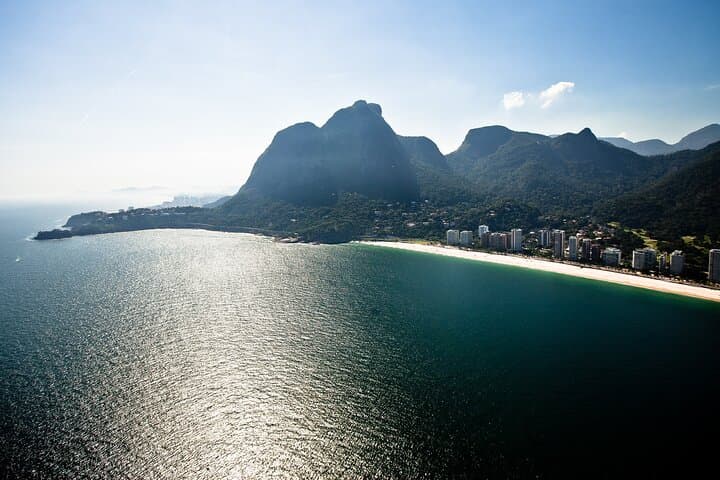
Geologically, Pedra da Gávea is a granite monolith carved by erosion, its imposing face rising roughly 842 meters above sea level. Local folklore binds the rock to legends—rumored inscriptions and an apparent human profile have intrigued explorers for generations—while its position at the western edge of Tijuca National Park ties it to Rio’s colonial and conservation history.
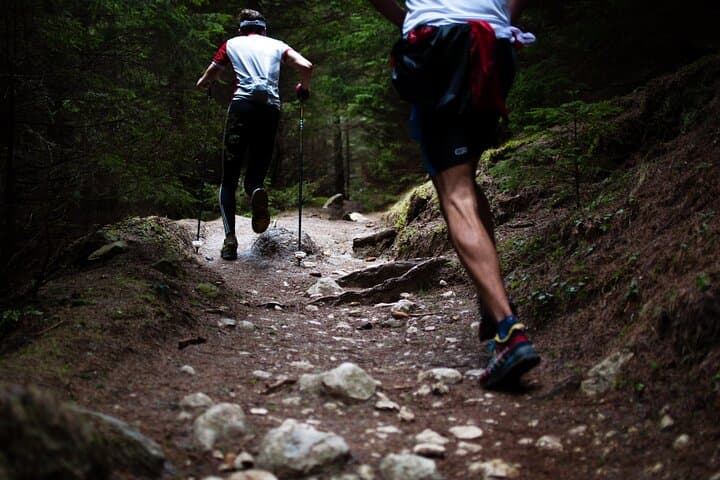
Expect varied terrain: packed dirt, exposed roots, steep stair-like rock, and an exposed summit scramble. Guides typically supply certified climbing gear for the final descent or ascent; groups move deliberately to manage exposure and conserve energy. The full excursion runs up to eight hours with hotel pickup available from selected hotels.
Practical notes: bring at least 2–3 liters of water, layered clothing for changing sun and wind exposure, sturdy hiking boots with good grip, and insect repellent. Start early to avoid afternoon heat and clouds; closures are rare but weather-dependent. This is a high-reward route—spectacular panoramas, a palpable sense of place, and a hands-on finish that separates a hike from an alpine-style climb.
challenging.
6–8 hours (full day).
Good cardiovascular fitness, leg strength, and comfort with sustained climbs and exposed scrambling are required.
The full excursion is typically 6–8 hours; most of the route is hiking through forest, with a steep final scramble and a short rope-assisted section to access the summit.
No formal climbing experience is required—guides supply certified gear and instruction—but participants should be comfortable with exposed scrambling and following rope-team commands.
Guided hiking with an eco-adventure bilingual guide, certified climbing equipment for local use, basic personal accident insurance, and hotel pickup/drop-off for selected hotels are commonly included.
This tour is not recommended for guests with serious heart or spinal conditions or for pregnant travelers; a moderate to high fitness level is advised.
Pedra da Gávea is a prominent granite monolith on the edge of Tijuca Forest; its dramatic profile inspired local legends and early exploration during Rio’s colonial period.
The route sits within the Tijuca National Park conservation area—stick to marked trails, pack out waste, and follow guide instructions to minimize erosion and disturbance.
Tangol operates guided outdoor trips and adventures with an emphasis on safety, stewardship, and memorable experiences.
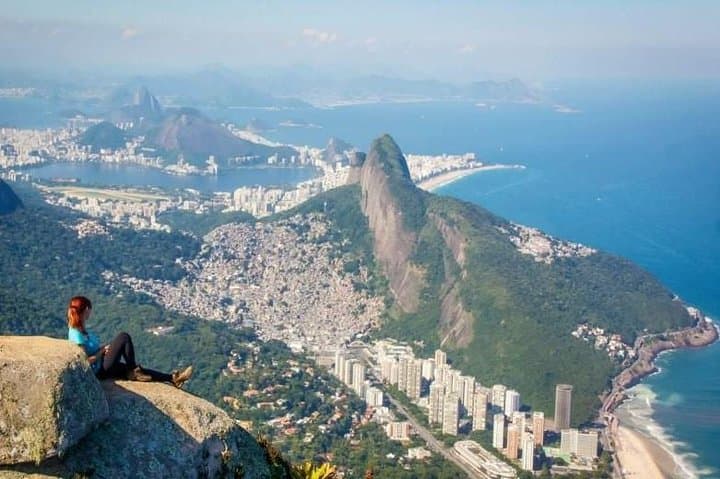

You start before dawn, the city lights of Rio folding away as you enter the green hush of Tijuca Forest. The trail climbs through dense Atlantic Forest—ferns brushing your calves, birds calling between trunks—until the path opens onto steep granite slabs. The last section demands hands-on scrambling and a short, guided rope pitch; when you crest Pedra da Gávea the city spills beneath you: beaches, bays, and neighborhoods arranged like a living map.
You start before dawn, the city lights of Rio folding away as you enter the green hush of Tijuca Forest. The trail climbs through dense Atlantic Forest—ferns brushing your calves, birds calling between trunks—until the path opens onto steep granite slabs. The last section demands hands-on scrambling and a short, guided rope pitch; when you crest Pedra da Gávea the city spills beneath you: beaches, bays, and neighborhoods arranged like a living map.
Geologically, Pedra da Gávea is a granite monolith carved by erosion, its imposing face rising roughly 842 meters above sea level. Local folklore binds the rock to legends—rumored inscriptions and an apparent human profile have intrigued explorers for generations—while its position at the western edge of Tijuca National Park ties it to Rio’s colonial and conservation history.
Expect varied terrain: packed dirt, exposed roots, steep stair-like rock, and an exposed summit scramble. Guides typically supply certified climbing gear for the final descent or ascent; groups move deliberately to manage exposure and conserve energy. The full excursion runs up to eight hours with hotel pickup available from selected hotels.
Practical notes: bring at least 2–3 liters of water, layered clothing for changing sun and wind exposure, sturdy hiking boots with good grip, and insect repellent. Start early to avoid afternoon heat and clouds; closures are rare but weather-dependent. This is a high-reward route—spectacular panoramas, a palpable sense of place, and a hands-on finish that separates a hike from an alpine-style climb.