THE ADVENTURE COLLECTIVE® · Independent discovery and booking for outdoor travel

Follow ancient forest trails from Batumi into Mtirala National Park to find thunderous waterfalls, tea terraces and a hands-on introduction to Ajara's mountain culture. This full-day hike combines rainforest scenery with village meals and local stories.
Follow ancient forest trails from Batumi into Mtirala National Park to find thunderous waterfalls, tea terraces and a hands-on introduction to Ajara's mountain culture. This full-day hike combines rainforest scenery with village meals and local stories.
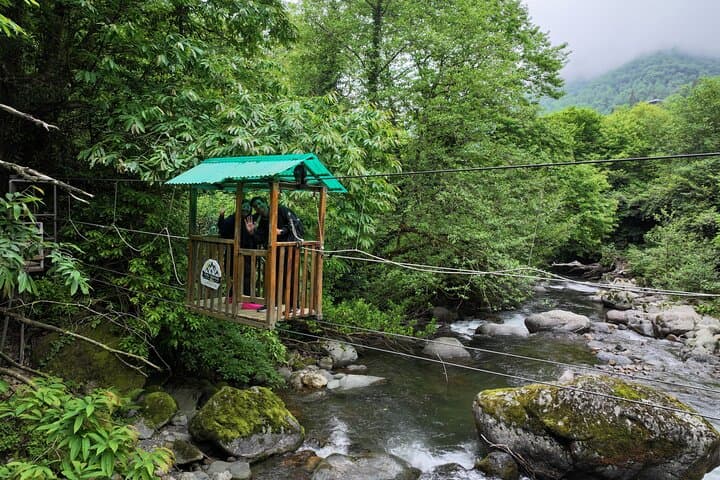
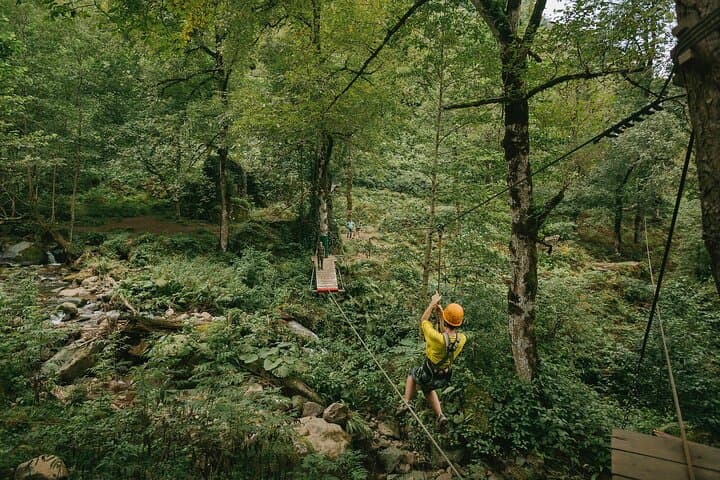
Fog clings to the ridgelines as you step off the minivan and into the green hush of Mtirala National Park. The trail falls away beneath your boots — damp leaf litter, braided roots and the constant hiss of mountain springs. Sunlight filters through towering chestnut and eucalyptus, and somewhere uphill the river dares you forward with the sound of a waterfall.
Verified experiences and guided adventures in the surrounding area.
Operated by Ajarian Mountain Guides · Batumi, Adjara
Fog clings to the ridgelines as you step off the minivan and into the green hush of Mtirala National Park. The trail falls away beneath your boots — damp leaf litter, braided roots and the constant hiss of mountain springs. Sunlight filters through towering chestnut and eucalyptus, and somewhere uphill the river dares you forward with the sound of a waterfall.
Mtirala — Georgian for “to cry” — earned its name from the region's famously high rainfall. Geologically the park occupies the western edge of the Lesser Caucasus, where steep limestone and shale slopes channel clouds into dense, temperate rainforest. The area sits in Adjara, a region with deep mountain-village traditions; guides on this route often pause to explain local beekeeping, tea cultivation and the Soviet-era terraces that still shape the hills.
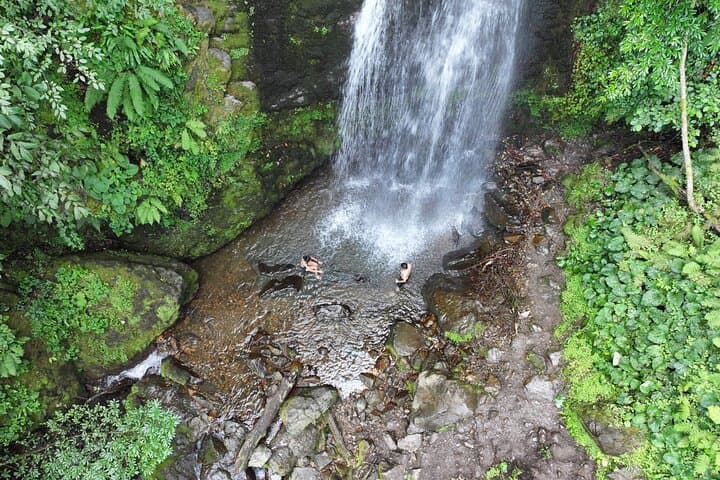
Expect well-marked but often muddy trails that climb and descend over roots and rocky steps, opening at viewpoints to citrus groves and the Black Sea glinting in the distance. The itinerary commonly includes Tsablnari Waterfall — a favorite swim spot — and a family-run lunch in a village house where you can taste local honey and walnut dishes.
Practical notes: wear waterproof boots, bring a lightweight rain shell and a small towel for swims. Start early to avoid afternoon showers and to make the most of viewpoint light. Guides provide poles, first aid and transport to/from Batumi; planned full-day tours run roughly 6–7 hours with moderate hiking and cultural stops. Mtirala rewards steady hikers with dramatic cascades, close birdlife encounters and direct stories of Ajara’s mountain life.
moderate.
6–7 hours.
Suitable for hikers with regular aerobic activity—able to handle sustained climbs, uneven terrain, and 4–8 hours on trail.
Typical full-day itineraries run 6–7 hours with moderate climbs and uneven terrain; there are options for shorter half-day routes for less experienced hikers.
A local guide is strongly recommended and commonly included; guides handle navigation, cultural stops, and safety in the rainforest environment.
Yes—Tsablnari has a natural pool suitable for swimming in warm months, but check currents and enter carefully due to slippery rocks.
Most tours provide air-conditioned transfer from Batumi or nearby Chakvi; independent travelers can reach trailheads by local taxi or organized shuttle.
The Adjara highlands have long been a crossroads of Ottoman and Georgian influences; terraces and tea plots still reflect 20th-century agricultural shifts.
Mtirala is a protected area focused on preserving its temperate rainforest; visitors should stick to trails, avoid disturbing beehives and carry out all trash.
Ajarian Mountain Guides operates guided outdoor trips and adventures with an emphasis on safety, stewardship, and memorable experiences.
Fog clings to the ridgelines as you step off the minivan and into the green hush of Mtirala National Park. The trail falls away beneath your boots — damp leaf litter, braided roots and the constant hiss of mountain springs. Sunlight filters through towering chestnut and eucalyptus, and somewhere uphill the river dares you forward with the sound of a waterfall.
Fog clings to the ridgelines as you step off the minivan and into the green hush of Mtirala National Park. The trail falls away beneath your boots — damp leaf litter, braided roots and the constant hiss of mountain springs. Sunlight filters through towering chestnut and eucalyptus, and somewhere uphill the river dares you forward with the sound of a waterfall.
Mtirala — Georgian for “to cry” — earned its name from the region's famously high rainfall. Geologically the park occupies the western edge of the Lesser Caucasus, where steep limestone and shale slopes channel clouds into dense, temperate rainforest. The area sits in Adjara, a region with deep mountain-village traditions; guides on this route often pause to explain local beekeeping, tea cultivation and the Soviet-era terraces that still shape the hills.
Expect well-marked but often muddy trails that climb and descend over roots and rocky steps, opening at viewpoints to citrus groves and the Black Sea glinting in the distance. The itinerary commonly includes Tsablnari Waterfall — a favorite swim spot — and a family-run lunch in a village house where you can taste local honey and walnut dishes.
Practical notes: wear waterproof boots, bring a lightweight rain shell and a small towel for swims. Start early to avoid afternoon showers and to make the most of viewpoint light. Guides provide poles, first aid and transport to/from Batumi; planned full-day tours run roughly 6–7 hours with moderate hiking and cultural stops. Mtirala rewards steady hikers with dramatic cascades, close birdlife encounters and direct stories of Ajara’s mountain life.