THE ADVENTURE COLLECTIVE® · Independent discovery and booking for outdoor travel

Hike Meteora’s lesser-seen paths with a local guide, exploring cliffside caves, hidden monasteries like Ypapanti and panoramic viewpoints. This four-hour small-group tour balances geology, history and practical trail experience for moderately fit walkers.
Hike Meteora’s lesser-seen paths with a local guide, exploring cliffside caves, hidden monasteries like Ypapanti and panoramic viewpoints. This four-hour small-group tour balances geology, history and practical trail experience for moderately fit walkers.
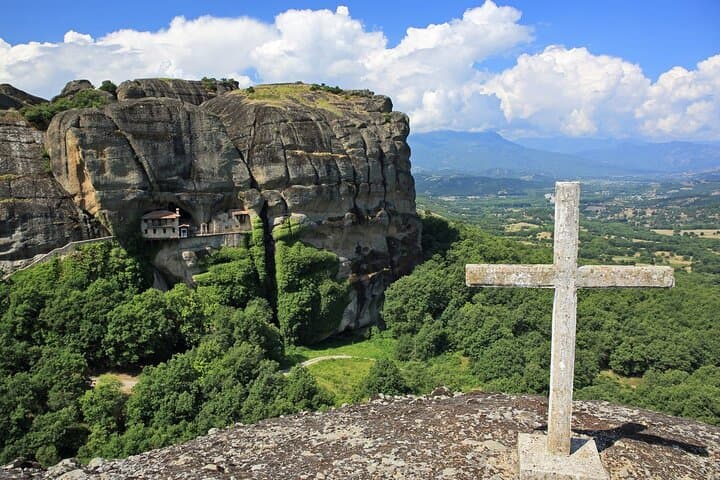
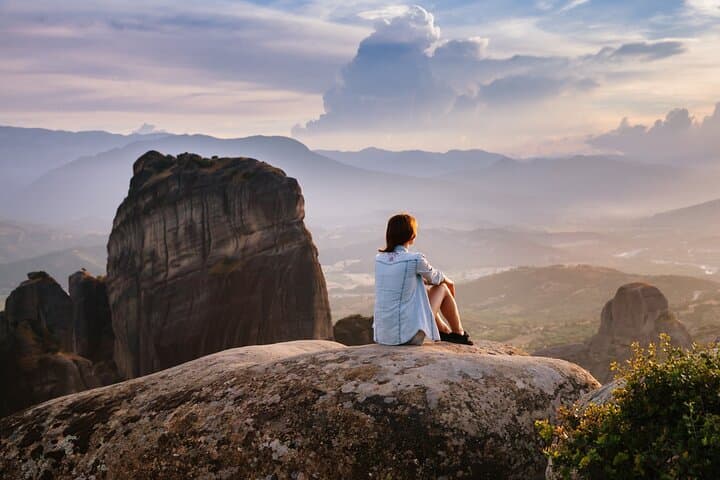
Granite-like pillars rise from the Thessalian plain and the path threads between them, wind and rock conspiring to change the view every turn. On a four-hour morning hike from Kalabaka, a local mountain guide leads small groups along narrow, worn trails where early monks once moved between cells and caverns. Light grazes the sandstone cliffs; wind seems to test your balance and the vultures circle like distant watchmen.
Verified experiences and guided adventures in the surrounding area.
Operated by Meteora Trip · Kalabaka, Thessaly
Granite-like pillars rise from the Thessalian plain and the path threads between them, wind and rock conspiring to change the view every turn. On a four-hour morning hike from Kalabaka, a local mountain guide leads small groups along narrow, worn trails where early monks once moved between cells and caverns. Light grazes the sandstone cliffs; wind seems to test your balance and the vultures circle like distant watchmen.
The landscape here is geological history made visible — weathered conglomerate and sandstone carved over millions of years into soaring columns. By the 11th–14th centuries hermits and later monastics sealed themselves into these cliffs, building monasteries accessible originally only by rope ladders or baskets. Meteora's monasteries, like Great Meteoron and Varlaam, are living cultural sites with strict dress codes and layered histories tied to Byzantine orthodoxy and local resistance during Ottoman rule.
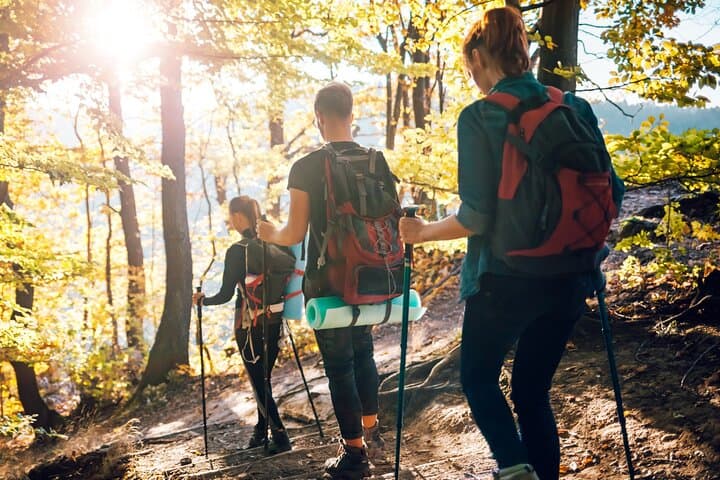
Expect uneven stone steps, short scrambles, and panoramic overlooks that reward steady climbs. The trail threads through scrub, pine pockets and caves that still bear hermit traces. Practicalities: start early to avoid midday crowds and heat, bring a modest layer for wind on the ridges, and wear grippy shoes—the guide provides local knowledge and a bottled water but carry a litre of your own.
Photography is excellent from designated viewpoints; respect monastery hours and attire (shoulders and knees covered). For hikers with moderate fitness this route delivers archaeology, geology and sweeping, Instagram-ready panoramas without technical climbing — a compact, memorable slice of Meteora’s wild monastery world.
moderate.
4 hours.
Moderate fitness with regular walking and short uphill sections; suitable for hikers comfortable on uneven ground.
No technical experience required, but participants should be comfortable walking on uneven terrain and climbing short stone steps for up to four hours.
Visits to Great Meteoron or Varlaam are included depending on the day; monasteries enforce modest dress and may close during services—follow your guide's instructions.
The tour includes pickup and drop-off from accommodation in Kalabaka or Kastraki; meeting details are confirmed at booking.
Not recommended for children under 7 and not suitable for travelers with serious back, heart or pregnancy-related restrictions due to uneven terrain.
Meteora’s cliff monasteries date from Byzantine-era monastic expansion (11th–14th centuries); hermits and ascetics established remote cells before larger monastic communities formed.
Stay on marked trails to protect fragile soils and endemic plants; follow monastery rules to minimize cultural impact and respect conservation efforts.
Meteora Trip operates guided outdoor trips and adventures with an emphasis on safety, stewardship, and memorable experiences.

Granite-like pillars rise from the Thessalian plain and the path threads between them, wind and rock conspiring to change the view every turn. On a four-hour morning hike from Kalabaka, a local mountain guide leads small groups along narrow, worn trails where early monks once moved between cells and caverns. Light grazes the sandstone cliffs; wind seems to test your balance and the vultures circle like distant watchmen.
Granite-like pillars rise from the Thessalian plain and the path threads between them, wind and rock conspiring to change the view every turn. On a four-hour morning hike from Kalabaka, a local mountain guide leads small groups along narrow, worn trails where early monks once moved between cells and caverns. Light grazes the sandstone cliffs; wind seems to test your balance and the vultures circle like distant watchmen.
The landscape here is geological history made visible — weathered conglomerate and sandstone carved over millions of years into soaring columns. By the 11th–14th centuries hermits and later monastics sealed themselves into these cliffs, building monasteries accessible originally only by rope ladders or baskets. Meteora's monasteries, like Great Meteoron and Varlaam, are living cultural sites with strict dress codes and layered histories tied to Byzantine orthodoxy and local resistance during Ottoman rule.
Expect uneven stone steps, short scrambles, and panoramic overlooks that reward steady climbs. The trail threads through scrub, pine pockets and caves that still bear hermit traces. Practicalities: start early to avoid midday crowds and heat, bring a modest layer for wind on the ridges, and wear grippy shoes—the guide provides local knowledge and a bottled water but carry a litre of your own.
Photography is excellent from designated viewpoints; respect monastery hours and attire (shoulders and knees covered). For hikers with moderate fitness this route delivers archaeology, geology and sweeping, Instagram-ready panoramas without technical climbing — a compact, memorable slice of Meteora’s wild monastery world.