THE ADVENTURE COLLECTIVE® · Independent discovery and booking for outdoor travel

Walk between towering sandstone pillars, visit an active monastery, and photograph sweeping valley views on this 4‑hour Meteora hiking tour. Expect easy trails broken by short rocky sections, expert local guiding, and transport from Kalambaka.
Walk between towering sandstone pillars, visit an active monastery, and photograph sweeping valley views on this 4‑hour Meteora hiking tour. Expect easy trails broken by short rocky sections, expert local guiding, and transport from Kalambaka.
You step out of the minibus and the rocks arrive—vertical, raw, and oddly human in their stance—beckoning you along narrow paths carved by centuries of wind and water.
Verified experiences and guided adventures in the surrounding area.
Operated by Let's Book Travel · Kalambaka, Thessaly
You step out of the minibus and the rocks arrive—vertical, raw, and oddly human in their stance—beckoning you along narrow paths carved by centuries of wind and water.
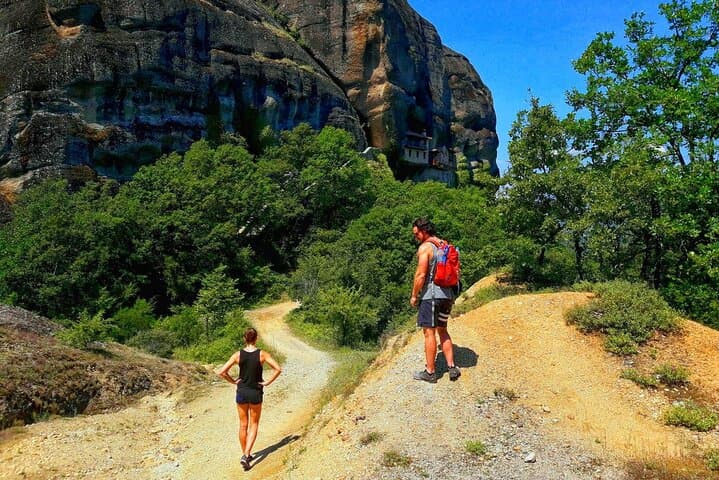
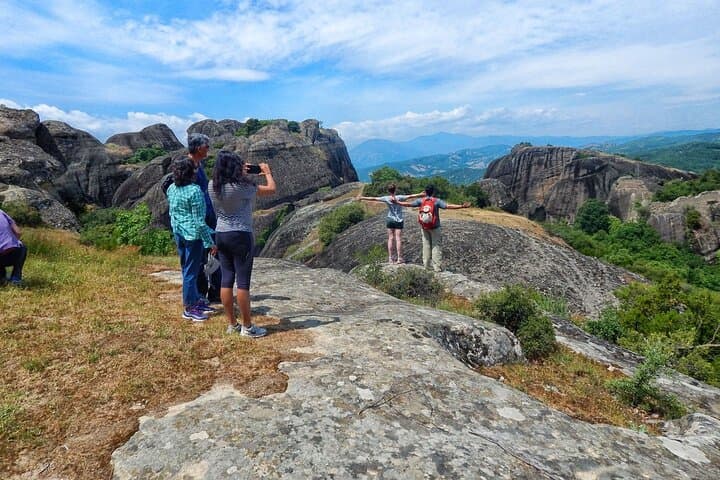
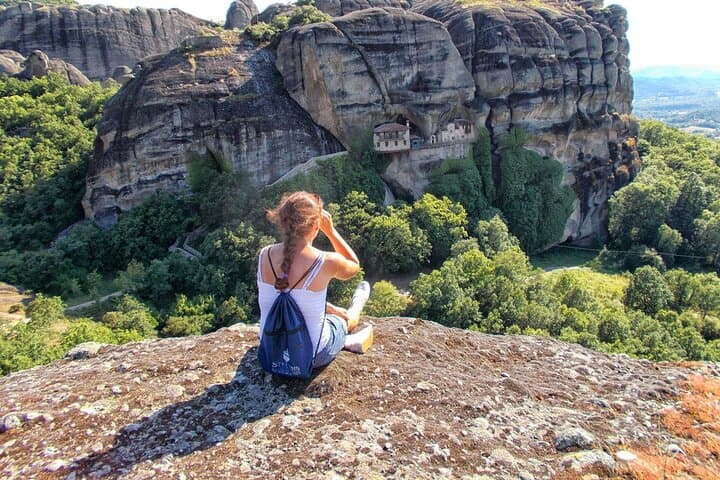
Meteora's forests and scrub give way to walking trails that thread between sandstone towers and cliff ledges. These rock pillars were formed 60 million years ago as river sediment hardened and erosion left isolated columns, a geology that early Orthodox monks saw as refuge and built monasteries atop. On this four‑hour hiking tour you'll trace their footsteps, pass ruined hermitages and visit one active monastery—often Great Meteoron or Varlaam—where frescoed interiors and simple chapels recall the area's spiritual history.
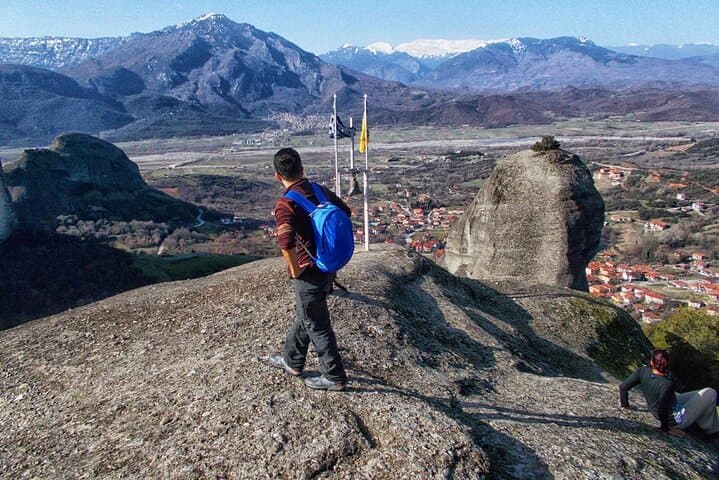
The route covers about 8 km on mixed terrain: gravel paths, carved steps, and short rock scrambles. Views open onto the patchwork valley of Kalambaka and the village of Kastraki below; photographers find panoramic platforms frequently placed where the trail pauses.
Practical notes: the guide provides local history and maps, plus hotel pickup in Kalambaka or Kastraki. Wear sturdy hiking shoes and a layer system—the shade on climbs can be cool while exposed ridgelines heat quickly. Respect monastery dress codes (shoulders and knees covered) and plan to start earlier in summer for cooler temperatures and softer light for photos.
Hydrate, carry small cash for monastery donations, and be prepared for short steep sections; the walk is rated easy but includes uneven surfaces. Expect a balanced day of geology, culture and straightforward hiking that brings Meteora's dramatic landscape into clear focus.
easy.
3–4 hours.
Suitable for most fitness levels; able to walk 8 km on uneven ground and manage short steep sections.
The tour lasts about 4 hours and covers roughly 8 km; it’s rated easy but includes uneven ground and some short steep sections.
Typically the guide arranges entry to one main monastery (often Great Meteoron or Varlaam), but exact access can vary by day and opening hours.
Yes—pickup and drop‑off from hotels in Kalambaka or Kastraki are included and travel to the trailhead is by minibus.
Service animals are permitted; the tour is family‑friendly but not recommended for travelers with mobility issues due to steps and uneven paths.
Meteora became a major monastic center in the 14th century when ascetics built cliff‑top monasteries to seek isolation; many buildings remain active or preserved as museums.
Visitors are encouraged to stay on marked trails to limit erosion and to avoid bringing single‑use plastics; monastery revenues support local preservation.
Let's Book Travel operates guided outdoor trips and adventures with an emphasis on safety, stewardship, and memorable experiences.
You step out of the minibus and the rocks arrive—vertical, raw, and oddly human in their stance—beckoning you along narrow paths carved by centuries of wind and water.
You step out of the minibus and the rocks arrive—vertical, raw, and oddly human in their stance—beckoning you along narrow paths carved by centuries of wind and water.
Meteora's forests and scrub give way to walking trails that thread between sandstone towers and cliff ledges. These rock pillars were formed 60 million years ago as river sediment hardened and erosion left isolated columns, a geology that early Orthodox monks saw as refuge and built monasteries atop. On this four‑hour hiking tour you'll trace their footsteps, pass ruined hermitages and visit one active monastery—often Great Meteoron or Varlaam—where frescoed interiors and simple chapels recall the area's spiritual history.
The route covers about 8 km on mixed terrain: gravel paths, carved steps, and short rock scrambles. Views open onto the patchwork valley of Kalambaka and the village of Kastraki below; photographers find panoramic platforms frequently placed where the trail pauses.
Practical notes: the guide provides local history and maps, plus hotel pickup in Kalambaka or Kastraki. Wear sturdy hiking shoes and a layer system—the shade on climbs can be cool while exposed ridgelines heat quickly. Respect monastery dress codes (shoulders and knees covered) and plan to start earlier in summer for cooler temperatures and softer light for photos.
Hydrate, carry small cash for monastery donations, and be prepared for short steep sections; the walk is rated easy but includes uneven surfaces. Expect a balanced day of geology, culture and straightforward hiking that brings Meteora's dramatic landscape into clear focus.