THE ADVENTURE COLLECTIVE® · Independent discovery and booking for outdoor travel

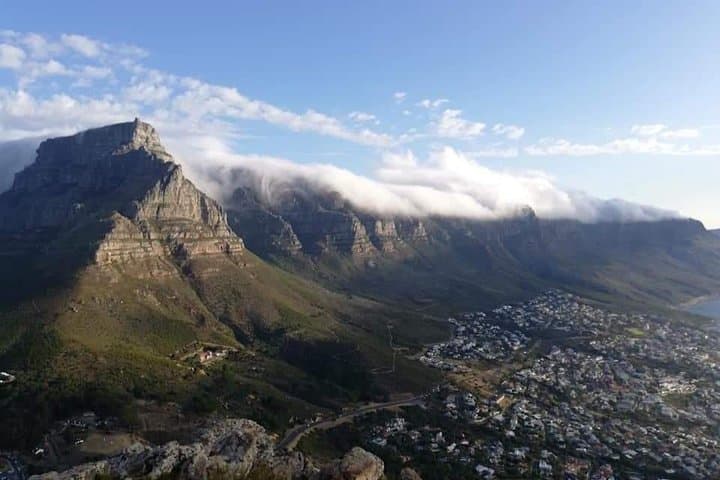
Short but punchy, Lion’s Head offers one of Cape Town’s best quick-summit experiences. Choose the easy Spiral Route or the short chains scramble, time it for sunset, and expect sweeping views of Table Mountain and the Atlantic.
Short but punchy, Lion’s Head offers one of Cape Town’s best quick-summit experiences. Choose the easy Spiral Route or the short chains scramble, time it for sunset, and expect sweeping views of Table Mountain and the Atlantic.
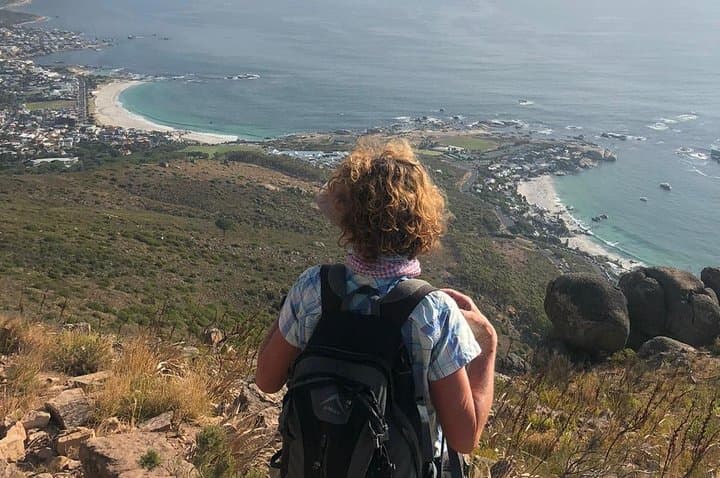
Late afternoon light slants across granite ribs as a steady stream of hikers climbs the switchbacks of Lion’s Head, the city and Atlantic unfolding beneath them. Wind lifts at the crest and the ocean dares you to look all the way to the horizon; the city hums below as the summit ring draws nearer.
Verified experiences and guided adventures in the surrounding area.
Operated by Annie Delport · Cape Town, Western Cape
Late afternoon light slants across granite ribs as a steady stream of hikers climbs the switchbacks of Lion’s Head, the city and Atlantic unfolding beneath them. Wind lifts at the crest and the ocean dares you to look all the way to the horizon; the city hums below as the summit ring draws nearer.
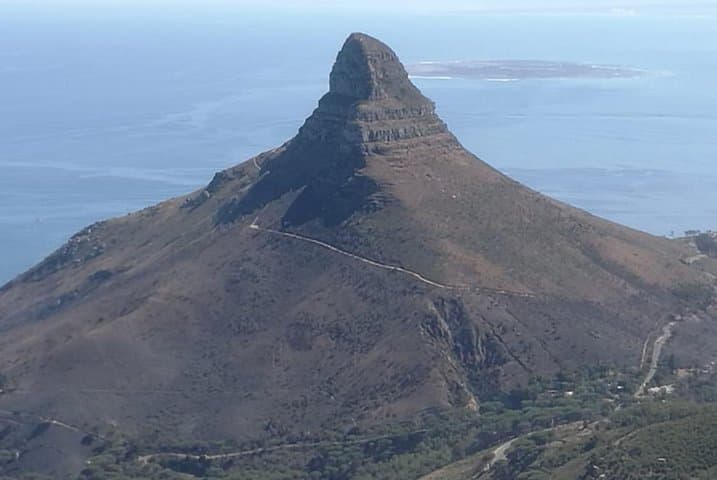
Carved from Table Mountain’s sandstone and granite, Lion’s Head formed during the same uplift that shaped the Cape Fold Belt. The peak has long been a visual landmark—used by Khoisan people and later mariners—as much a compass as a lookout. Today two clear lines of ascent divide the ridge: the Spiral Route, a steady, exposed path of stone steps and loose gravel that offers wide views of Clifton and Camps Bay; and the Chains, a short but steep 12‑metre scramble aided by fixed chains through an exposed rock band.
Expect 1–2 hours to the summit for most walkers, longer if taking photos or resting for the sunset. Terrain alternates compacted trail, short scrambling sections and rock ledges; footing can be loose after rain. The climb rewards with a near-360° panorama—Table Mountain’s plateau, Robben Island offshore and the serrated coastline—and feels wilder than the city map implies.
Practical notes: start late afternoon for sunset but carry a headlamp. Wear grippy shoes, bring 1–2 liters of water, and layer for wind on the ridge. If uncomfortable with exposure, use the Spiral Route or hire a guide; avoid the peak in strong south-easterly winds. Stay on marked trails to protect fynbos and reduce erosion.
moderate.
2–3.5 hours.
Moderate fitness; able to handle steep stairs, short sections of scrambling and uneven rock surfaces.
Typical ascent is 45–120 minutes depending on route and pace; round trip commonly takes 2–3.5 hours including breaks.
The chains are short but exposed; fit beginners comfortable with basic scrambling and no severe fear of heights can manage it, otherwise stick to the Spiral Route.
Yes—sunset is popular for views, but bring a headlamp and check wind forecasts; descent in the dark without light is unsafe.
Dogs are generally allowed but should be kept on leash; local regulations and conservation rules vary—check current Cape Town municipal guidance.
Lion’s Head is part of the Table Mountain range and served as a coastal landmark for indigenous Khoisan people and later sailors; its shape gave the peak its English name.
Heavy foot traffic and informal shortcuts cause erosion to the endemic fynbos; stick to marked trails, carry out litter and avoid trampling vegetation.
Annie Delport operates guided outdoor trips and adventures with an emphasis on safety, stewardship, and memorable experiences.

Late afternoon light slants across granite ribs as a steady stream of hikers climbs the switchbacks of Lion’s Head, the city and Atlantic unfolding beneath them. Wind lifts at the crest and the ocean dares you to look all the way to the horizon; the city hums below as the summit ring draws nearer.
Late afternoon light slants across granite ribs as a steady stream of hikers climbs the switchbacks of Lion’s Head, the city and Atlantic unfolding beneath them. Wind lifts at the crest and the ocean dares you to look all the way to the horizon; the city hums below as the summit ring draws nearer.
Carved from Table Mountain’s sandstone and granite, Lion’s Head formed during the same uplift that shaped the Cape Fold Belt. The peak has long been a visual landmark—used by Khoisan people and later mariners—as much a compass as a lookout. Today two clear lines of ascent divide the ridge: the Spiral Route, a steady, exposed path of stone steps and loose gravel that offers wide views of Clifton and Camps Bay; and the Chains, a short but steep 12‑metre scramble aided by fixed chains through an exposed rock band.
Expect 1–2 hours to the summit for most walkers, longer if taking photos or resting for the sunset. Terrain alternates compacted trail, short scrambling sections and rock ledges; footing can be loose after rain. The climb rewards with a near-360° panorama—Table Mountain’s plateau, Robben Island offshore and the serrated coastline—and feels wilder than the city map implies.
Practical notes: start late afternoon for sunset but carry a headlamp. Wear grippy shoes, bring 1–2 liters of water, and layer for wind on the ridge. If uncomfortable with exposure, use the Spiral Route or hire a guide; avoid the peak in strong south-easterly winds. Stay on marked trails to protect fynbos and reduce erosion.