THE ADVENTURE COLLECTIVE® · Independent discovery and booking for outdoor travel

Explore Réunion’s UNESCO park on guided day hikes across volcanic plateaus, gorges and caldera rims. Short, accessible sections combine with sustained effort—expect rocky trails, stream crossings and dramatic geology.
Explore Réunion’s UNESCO park on guided day hikes across volcanic plateaus, gorges and caldera rims. Short, accessible sections combine with sustained effort—expect rocky trails, stream crossings and dramatic geology.
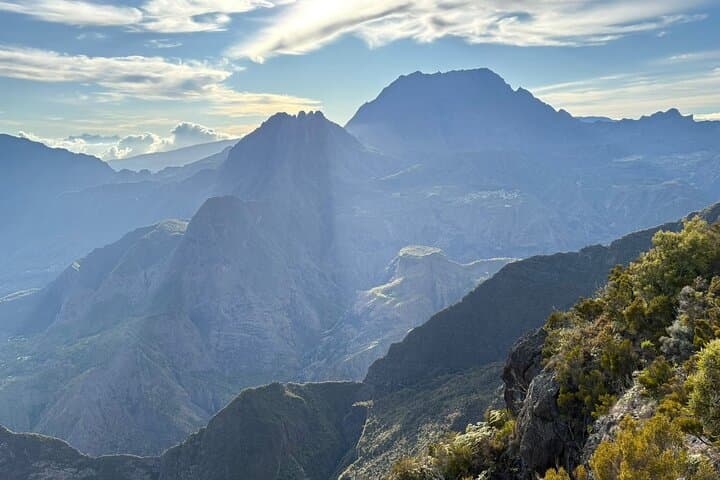
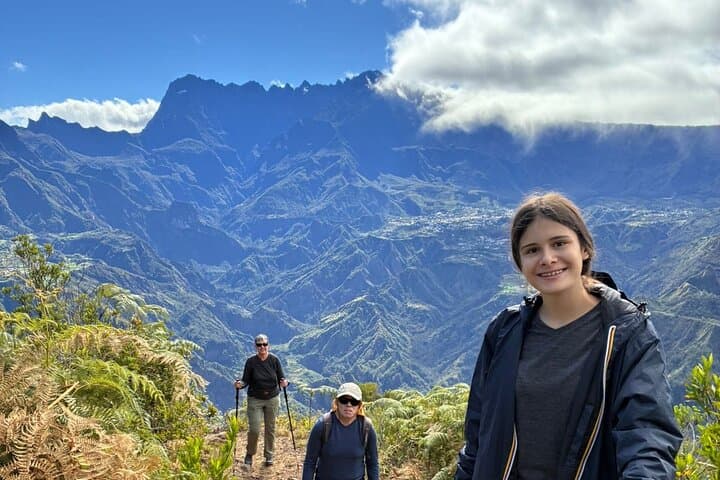
You step from the shaded van into wind that has been shaped by lava and ocean for millennia—hot air from lowland sugarcane flats giving way to cooler, mineral-scented breezes. Trails open onto broad, rust-colored plains, then thread into narrow gorges where water dares you forward, fingers of river sliding over black basalt. The island moves around you: a living network of calderas, steep amphitheaters and rainforest fingers dropping to the sea.
Verified experiences and guided adventures in the surrounding area.
Operated by Reunion Discovery Tours by Geotravelers · Saint-Pierre, Réunion
You step from the shaded van into wind that has been shaped by lava and ocean for millennia—hot air from lowland sugarcane flats giving way to cooler, mineral-scented breezes. Trails open onto broad, rust-colored plains, then thread into narrow gorges where water dares you forward, fingers of river sliding over black basalt. The island moves around you: a living network of calderas, steep amphitheaters and rainforest fingers dropping to the sea.
Reunion Island is a byproduct of hot-spot volcanism; dramatic cliffs and cirques were carved by erosion of volcanic uplift and episodic lava flows from Piton de la Fournaise. The central park is UNESCO-listed for this exceptional geology and for endemic flora—ferns and Pico de la Fournaise-adapted shrubs that survive in nutrient-poor volcanic soils. Cultural traces appear in small mountain hamlets where Creole farming traditions meet French colonial history.
On a guided six-hour day you’ll hike short, accessible sections but expect sustained effort: steep descents into gorges, rocky steps across volcanic scree and occasional stream crossings. A mountain professional supervises route choice and safety; water is supplied in vehicles between stages. Timing matters—start early to avoid mid-day heat and to catch the softer light on the volcanic enclosure.
Practical: wear sturdy boots with good tread, pack 2–3 liters of water, a lightweight rain shell and sun protection. Expect changing microclimates—shade and humidity in gorges, wind and sun on exposed plateaus. Respect closed routes near active vents and follow your guide’s instructions for a safe return to the vehicle at day’s end.
moderate.
6 hours.
Good aerobic fitness and secure footing ability; able to manage sustained climbs, descents and occasional river crossings.
Hikes include sustained sections and uneven volcanic terrain; participants should have good cardiovascular fitness and experience with 4–6 hour day hikes.
The route avoids active vents and is led by a mountain professional who monitors volcanic and weather conditions; excursions may be canceled for safety.
Guides commonly speak French and often English; confirm language needs at booking to ensure clear communication.
Yes—air-conditioned vehicle transport is provided with water bottles in the vehicle and a guaranteed return to the boat or pick-up point.
Reunion’s cirques and volcanic features formed over millions of years of volcanism; human settlement introduced Creole agricultural practices that shaped upland landscapes.
The national park protects many endemic species; stay on marked trails, avoid collecting plants and minimize water pollution to protect fragile volcanic ecosystems.
Reunion Discovery Tours by Geotravelers operates guided outdoor trips and adventures with an emphasis on safety, stewardship, and memorable experiences.


You step from the shaded van into wind that has been shaped by lava and ocean for millennia—hot air from lowland sugarcane flats giving way to cooler, mineral-scented breezes. Trails open onto broad, rust-colored plains, then thread into narrow gorges where water dares you forward, fingers of river sliding over black basalt. The island moves around you: a living network of calderas, steep amphitheaters and rainforest fingers dropping to the sea.
You step from the shaded van into wind that has been shaped by lava and ocean for millennia—hot air from lowland sugarcane flats giving way to cooler, mineral-scented breezes. Trails open onto broad, rust-colored plains, then thread into narrow gorges where water dares you forward, fingers of river sliding over black basalt. The island moves around you: a living network of calderas, steep amphitheaters and rainforest fingers dropping to the sea.
Reunion Island is a byproduct of hot-spot volcanism; dramatic cliffs and cirques were carved by erosion of volcanic uplift and episodic lava flows from Piton de la Fournaise. The central park is UNESCO-listed for this exceptional geology and for endemic flora—ferns and Pico de la Fournaise-adapted shrubs that survive in nutrient-poor volcanic soils. Cultural traces appear in small mountain hamlets where Creole farming traditions meet French colonial history.
On a guided six-hour day you’ll hike short, accessible sections but expect sustained effort: steep descents into gorges, rocky steps across volcanic scree and occasional stream crossings. A mountain professional supervises route choice and safety; water is supplied in vehicles between stages. Timing matters—start early to avoid mid-day heat and to catch the softer light on the volcanic enclosure.
Practical: wear sturdy boots with good tread, pack 2–3 liters of water, a lightweight rain shell and sun protection. Expect changing microclimates—shade and humidity in gorges, wind and sun on exposed plateaus. Respect closed routes near active vents and follow your guide’s instructions for a safe return to the vehicle at day’s end.