THE ADVENTURE COLLECTIVE® · Independent discovery and booking for outdoor travel

Spend a day hiking Nahuel Huapi with an experienced local guide who tailors routes to your fitness—choose forest loops, ridgelines, or easy scrambles. Expect volcanic ridges, glacial bowls, and lake vistas with insightful context on geology and Mapuche history.
Spend a day hiking Nahuel Huapi with an experienced local guide who tailors routes to your fitness—choose forest loops, ridgelines, or easy scrambles. Expect volcanic ridges, glacial bowls, and lake vistas with insightful context on geology and Mapuche history.
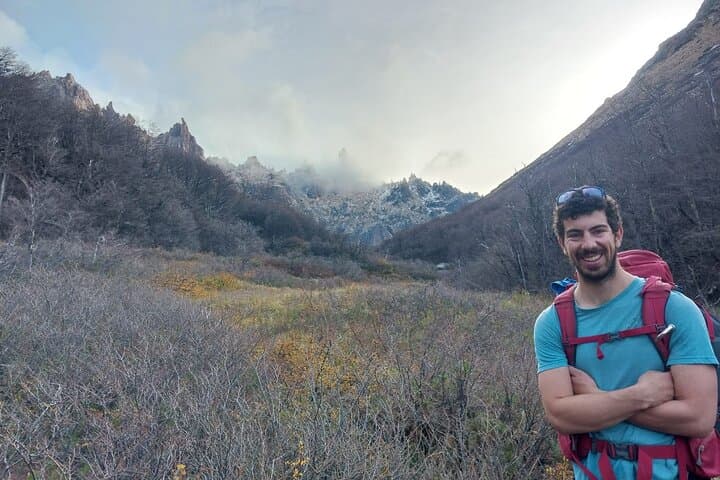
A cool morning opens over Lake Nahuel Huapi and the mountains push a long shadow across the water. You step off the trailhead with a local guide who has a decade of experience reading the ridges, and the forest seems to breathe—larches and coihues exhaling resin-scented air as you climb. The guide points toward a jagged skyline: volcanic spines and glacially carved bowls that trace the park’s geologic past.
Verified experiences and guided adventures in the surrounding area.
Operated by Yanic Guía · San Carlos de Bariloche, Río Negro
A cool morning opens over Lake Nahuel Huapi and the mountains push a long shadow across the water. You step off the trailhead with a local guide who has a decade of experience reading the ridges, and the forest seems to breathe—larches and coihues exhaling resin-scented air as you climb. The guide points toward a jagged skyline: volcanic spines and glacially carved bowls that trace the park’s geologic past.
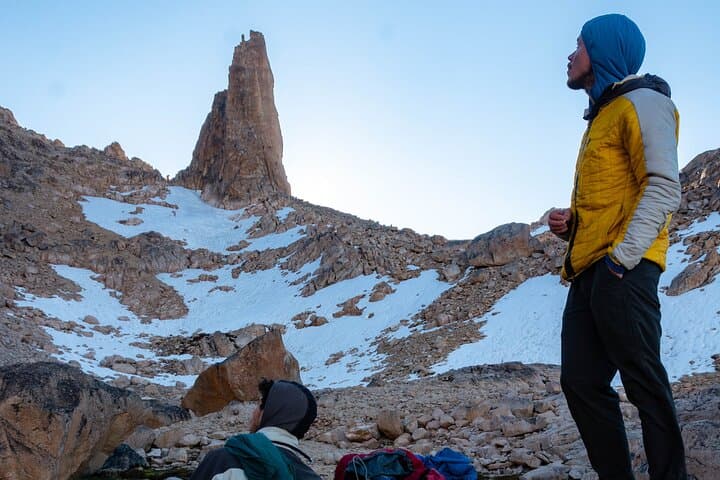
This is Nahuel Huapi National Park, Argentina’s oldest national park, created in 1934. The trails cut through andesitic rock laid down in ancient eruptions and then sculpted by ice. Mapuche names still frame the landscape—Nahuel Huapi, “island of the jaguar” in Mapudungun—reminders of the indigenous people who read the land long before trekking became tourism.
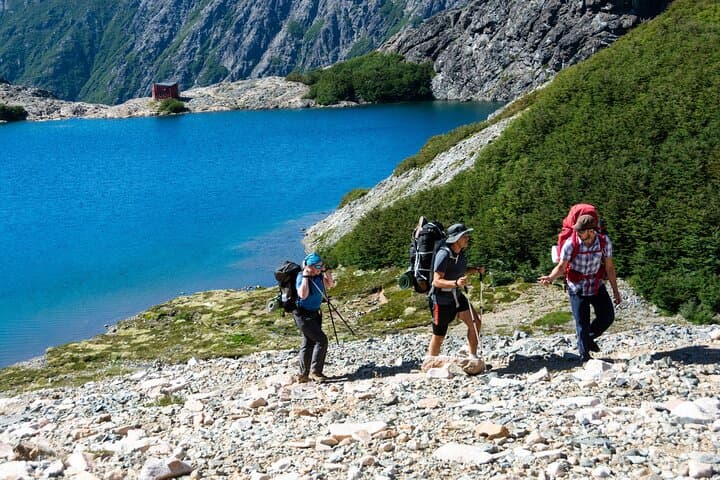
Hikes offered here run the gamut: short forest loops that reveal lenga trunks and peat bogs, ridge walks with sweeping vistas of emerald lakes, and optional scrambles on basalt outcrops that give a taste of mountaineering. Wildlife is discreet but present—condors thermalling above the high cirques, and the shy huemul deer slipping through subalpine meadows. Local guides mix natural history with practical route-finding, pointing out edible lichens, evidence of past glaciation, and quieter viewpoints away from the busier access points.
Culturally, Bariloche is a crossroads—European alpine architecture and chocolate shops line the town, while trail culture preserves a Patagonian ethic: leave it lighter than you found it. The day typically includes coffee, a guided hike tuned to your fitness and experience, and a packed lunch enjoyed on a viewpoint.
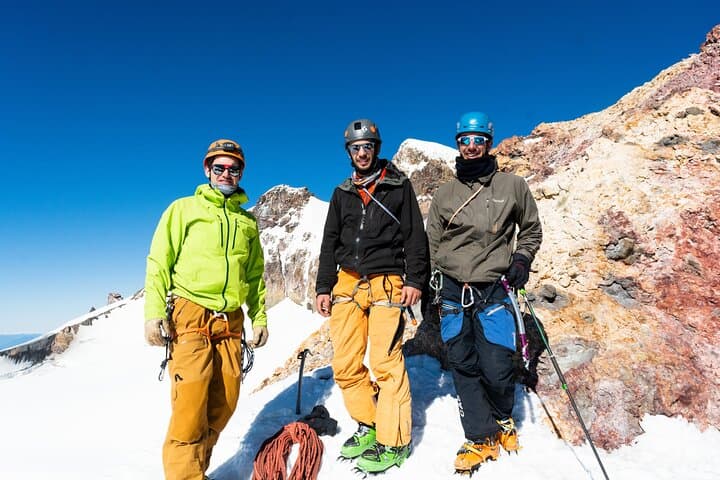
Practically, expect full-day trips of roughly 8 hours with variable elevation gains from gentle 300–600 m climbs to steeper, technical sections if you opt for mountaineering. Trails vary from firm, root-lined singletrack to rocky, scree-covered approaches. Weather is changeable—sun can flip to wind-driven rain in an afternoon—so layering is non-negotiable. Guides tailor routes to your stamina: families and moderate hikers head to forested loops and Cerro Campanario, while experienced trekkers can add ridgelines, easy scrambles, or glacier approaches.
Plan for 6–10 hours door-to-door if you include transfers from Bariloche. Bring sturdy boots, sun protection, and water; your guide handles route decisions and safety. If you want photography, aim for golden hour above the lake for mirror-like reflections and alpenglow on volcanic peaks.
A guided hike here delivers more than a view: it hands you the local map of geology, history, and living culture—an accessible, practical way to move through Patagonia’s layered landscape.
moderate.
8 hours.
Moderate fitness: able to hike 8–12 km with 300–800 m elevation gain and occasional scrambling
Standard guided day hikes are about 6–8 hours including breaks; guides tailor duration to your group’s ability.
Yes—this offering is a private tour so the guide will design the route based on your fitness and interests.
Lunch, coffee and tea are included—expect a packed lunch enjoyed on the trail or at a scenic stop.
No for most routes; basic hikes require no technical skills. Technical scrambles or glacier outings require experience and are arranged separately.
Meeting point depends on the selected trail; many trails are within a 20–60 minute drive from central Bariloche and the guide organizes transport when needed.
Trips can be canceled for safety with full refund if you cancel 24 hours prior; guides may change the route to lower elevations in poor conditions.
Nahuel Huapi was established as Argentina’s first national park in 1934; the area also holds Mapuche place names and long-standing path networks.
Trails sit inside a protected national park—follow marked routes, pack out waste, and respect seasonal closures to protect fragile alpine habitats.
Yanic Guía operates guided outdoor trips and adventures with an emphasis on safety, stewardship, and memorable experiences.
A cool morning opens over Lake Nahuel Huapi and the mountains push a long shadow across the water. You step off the trailhead with a local guide who has a decade of experience reading the ridges, and the forest seems to breathe—larches and coihues exhaling resin-scented air as you climb. The guide points toward a jagged skyline: volcanic spines and glacially carved bowls that trace the park’s geologic past.
A cool morning opens over Lake Nahuel Huapi and the mountains push a long shadow across the water. You step off the trailhead with a local guide who has a decade of experience reading the ridges, and the forest seems to breathe—larches and coihues exhaling resin-scented air as you climb. The guide points toward a jagged skyline: volcanic spines and glacially carved bowls that trace the park’s geologic past.
This is Nahuel Huapi National Park, Argentina’s oldest national park, created in 1934. The trails cut through andesitic rock laid down in ancient eruptions and then sculpted by ice. Mapuche names still frame the landscape—Nahuel Huapi, “island of the jaguar” in Mapudungun—reminders of the indigenous people who read the land long before trekking became tourism.
Hikes offered here run the gamut: short forest loops that reveal lenga trunks and peat bogs, ridge walks with sweeping vistas of emerald lakes, and optional scrambles on basalt outcrops that give a taste of mountaineering. Wildlife is discreet but present—condors thermalling above the high cirques, and the shy huemul deer slipping through subalpine meadows. Local guides mix natural history with practical route-finding, pointing out edible lichens, evidence of past glaciation, and quieter viewpoints away from the busier access points.
Culturally, Bariloche is a crossroads—European alpine architecture and chocolate shops line the town, while trail culture preserves a Patagonian ethic: leave it lighter than you found it. The day typically includes coffee, a guided hike tuned to your fitness and experience, and a packed lunch enjoyed on a viewpoint.
Practically, expect full-day trips of roughly 8 hours with variable elevation gains from gentle 300–600 m climbs to steeper, technical sections if you opt for mountaineering. Trails vary from firm, root-lined singletrack to rocky, scree-covered approaches. Weather is changeable—sun can flip to wind-driven rain in an afternoon—so layering is non-negotiable. Guides tailor routes to your stamina: families and moderate hikers head to forested loops and Cerro Campanario, while experienced trekkers can add ridgelines, easy scrambles, or glacier approaches.
Plan for 6–10 hours door-to-door if you include transfers from Bariloche. Bring sturdy boots, sun protection, and water; your guide handles route decisions and safety. If you want photography, aim for golden hour above the lake for mirror-like reflections and alpenglow on volcanic peaks.
A guided hike here delivers more than a view: it hands you the local map of geology, history, and living culture—an accessible, practical way to move through Patagonia’s layered landscape.