THE ADVENTURE COLLECTIVE® · Independent discovery and booking for outdoor travel

A tight limestone canyon on Crete’s south coast, Imbros Gorge offers an accessible 8 km hike from Imbros to Komitades with narrow squeezes, aromatic herbs, and WWII-era history. Practical and scenic, it’s a half-day walk with easy logistics back to Chania.
A tight limestone canyon on Crete’s south coast, Imbros Gorge offers an accessible 8 km hike from Imbros to Komitades with narrow squeezes, aromatic herbs, and WWII-era history. Practical and scenic, it’s a half-day walk with easy logistics back to Chania.
You step off the shaded lane of Imbros village and the gorge takes you at once — limestone walls pressing inward, herbs sending heat and scent uphill, and a ribbon of sun cutting the stone. The first kilometer opens with wide, forgiving clefts; then the canyon narrows, cliffs rise, and the trail compresses until the famous Stenada squeeze leaves just 1.5 metres between rock faces. The air tastes of thyme and dust; cypress and prunus trees lean over ledges as if watching you pass.
Verified experiences and guided adventures in the surrounding area.
Operated by Pari Vigli · Imbros (Imvros), Chania
You step off the shaded lane of Imbros village and the gorge takes you at once — limestone walls pressing inward, herbs sending heat and scent uphill, and a ribbon of sun cutting the stone. The first kilometer opens with wide, forgiving clefts; then the canyon narrows, cliffs rise, and the trail compresses until the famous Stenada squeeze leaves just 1.5 metres between rock faces. The air tastes of thyme and dust; cypress and prunus trees lean over ledges as if watching you pass.
Geologically Imbros is a folded karst canyon carved from Cretan limestone, a younger, steeper sibling to Samaria. Local history is stamped into the route: shepherd tracks used for generations, wartime movements during WWII, and stone-built waymarks from past village traffic to Chania. Cultural traces appear in terrace ruins and small chapels near Komitades, where livestock paths meet the sea-view roads.
Expect roughly 8 km one-way, predominantly rocky footpaths with a few short steep sections and narrow gorges that require steady footing. The hike typically takes 2–3 hours depending on pace and breaks; plan for strong sun, limited shade in open sections, and occasional loose rock underfoot. Bring water (at least 2 L), sturdy shoes, and a light wind layer for coastal breezes at the southern exit.
Logistics: taxis connect Komitades back to Imbros village (about 20 minutes), or continue on to local buses toward Chania. Time your hike for morning or late afternoon to avoid peak heat, and respect local grazing animals — the goats are part of the landscape, not a picnic audience.
moderate.
2–3 hours.
Good for walkers who can manage uneven terrain and short narrow stretches; basic endurance for an 8 km walk is sufficient.
The trail is about 8 km one-way and most hikers complete it in 2–3 hours depending on pace and breaks.
The standard route is one-way from Imbros village to Komitades; most groups arrange a taxi back to Imbros to retrieve vehicles.
Yes—many families hike Imbros; avoid very young children in the narrowest Stenada section and carry extra water and supervision.
Dogs are generally allowed but must be controlled around livestock and goats and owners should carry water and waste bags.
Local shepherd and village trails shaped the gorge route for centuries; Allied troops also used the path during WWII movements on Crete.
Stick to the trail to reduce erosion on fragile limestone slopes and avoid disturbing grazing animals; local communities work to balance visitors with pasture use.
Pari Vigli operates guided outdoor trips and adventures with an emphasis on safety, stewardship, and memorable experiences.
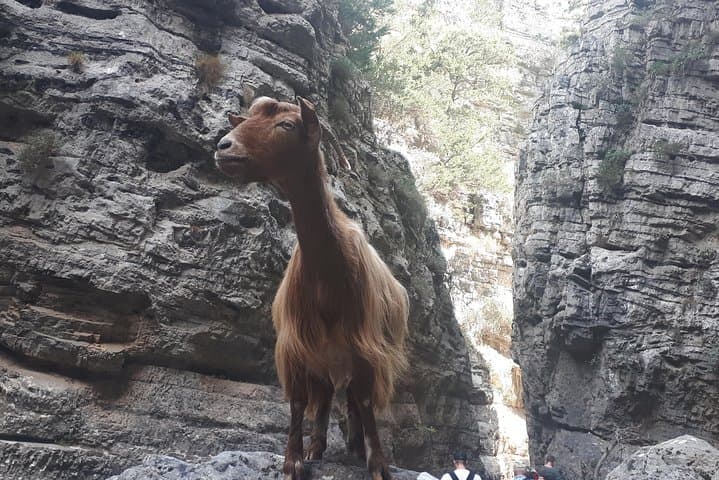
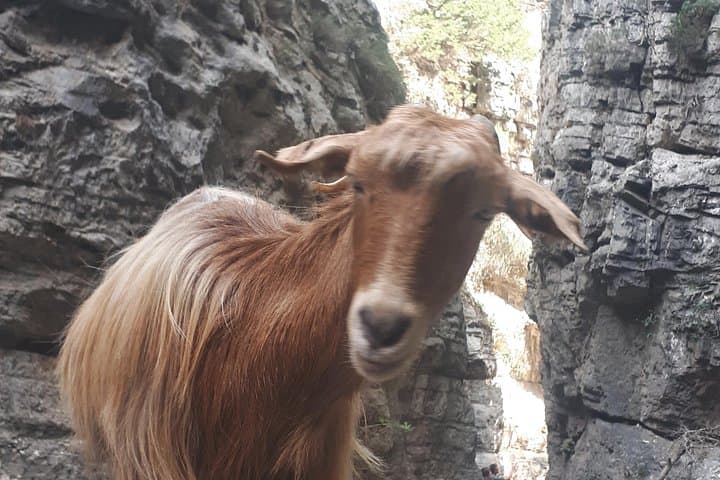
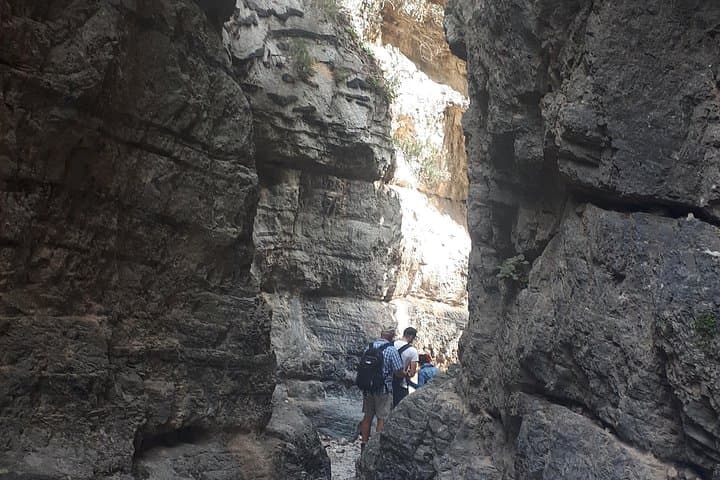
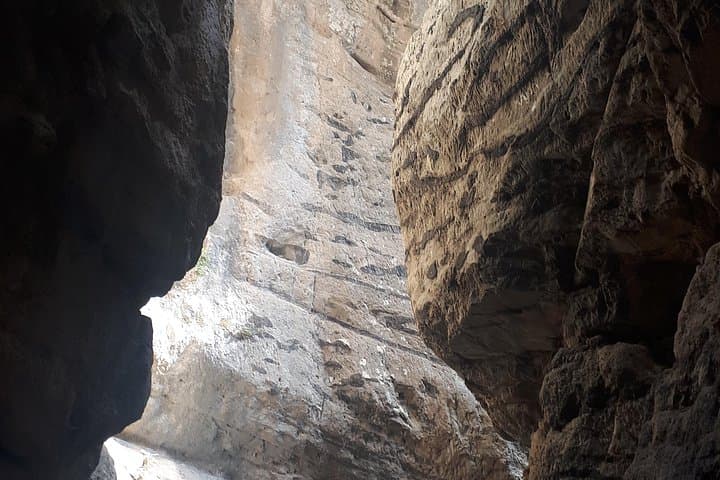
You step off the shaded lane of Imbros village and the gorge takes you at once — limestone walls pressing inward, herbs sending heat and scent uphill, and a ribbon of sun cutting the stone. The first kilometer opens with wide, forgiving clefts; then the canyon narrows, cliffs rise, and the trail compresses until the famous Stenada squeeze leaves just 1.5 metres between rock faces. The air tastes of thyme and dust; cypress and prunus trees lean over ledges as if watching you pass.
You step off the shaded lane of Imbros village and the gorge takes you at once — limestone walls pressing inward, herbs sending heat and scent uphill, and a ribbon of sun cutting the stone. The first kilometer opens with wide, forgiving clefts; then the canyon narrows, cliffs rise, and the trail compresses until the famous Stenada squeeze leaves just 1.5 metres between rock faces. The air tastes of thyme and dust; cypress and prunus trees lean over ledges as if watching you pass.
Geologically Imbros is a folded karst canyon carved from Cretan limestone, a younger, steeper sibling to Samaria. Local history is stamped into the route: shepherd tracks used for generations, wartime movements during WWII, and stone-built waymarks from past village traffic to Chania. Cultural traces appear in terrace ruins and small chapels near Komitades, where livestock paths meet the sea-view roads.
Expect roughly 8 km one-way, predominantly rocky footpaths with a few short steep sections and narrow gorges that require steady footing. The hike typically takes 2–3 hours depending on pace and breaks; plan for strong sun, limited shade in open sections, and occasional loose rock underfoot. Bring water (at least 2 L), sturdy shoes, and a light wind layer for coastal breezes at the southern exit.
Logistics: taxis connect Komitades back to Imbros village (about 20 minutes), or continue on to local buses toward Chania. Time your hike for morning or late afternoon to avoid peak heat, and respect local grazing animals — the goats are part of the landscape, not a picnic audience.