THE ADVENTURE COLLECTIVE® · Independent discovery and booking for outdoor travel

Trade Kandy’s city heat for a ridge-top walk across the Hanthana range: 6–9 km of steep climbs, ridge views, tea-country history and a stop at the Sri Lanka Tea Industry Museum. Practical, scenic and ideal for birdwatchers.
Trade Kandy’s city heat for a ridge-top walk across the Hanthana range: 6–9 km of steep climbs, ridge views, tea-country history and a stop at the Sri Lanka Tea Industry Museum. Practical, scenic and ideal for birdwatchers.
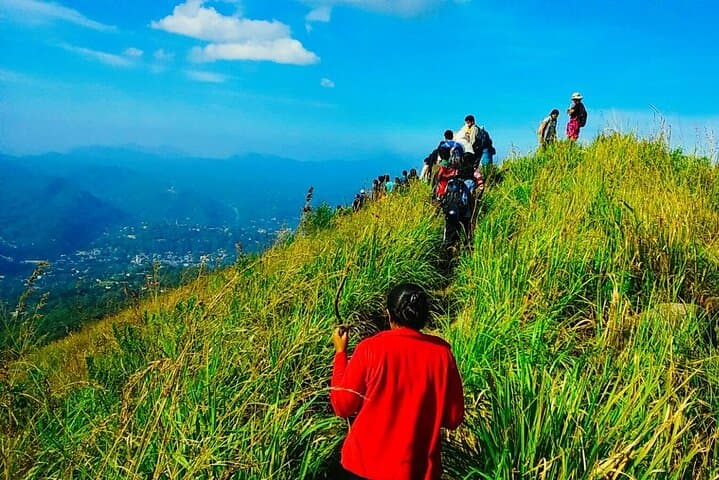
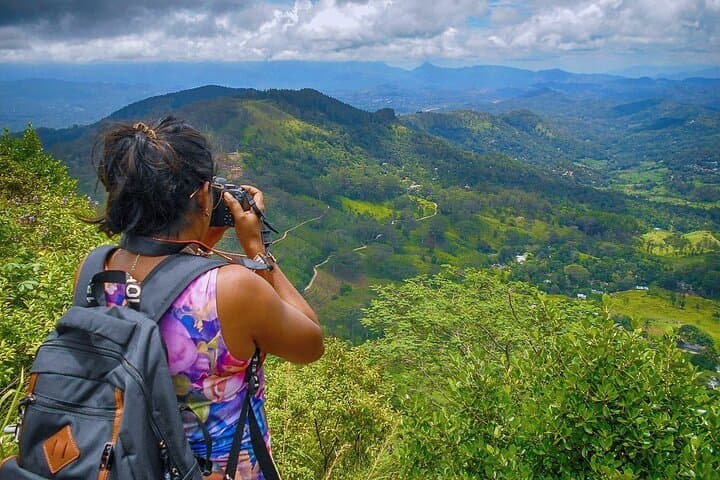
A cool morning folds over the Kandy valley as you step onto the first switchback toward Hanthana’s ridgeline. Low cloud skims the slopes, tea terraces step down the hillsides, and the summit line is punctuated by a handful of radio towers that mark both human use and raw elevation. The air smells faintly of damp earth and brewed Ceylon tea — a fitting scent for a day that combines mountain walking with cultural stops.
Verified experiences and guided adventures in the surrounding area.
Operated by Travceylon Leisure · Kandy, Central Province
A cool morning folds over the Kandy valley as you step onto the first switchback toward Hanthana’s ridgeline. Low cloud skims the slopes, tea terraces step down the hillsides, and the summit line is punctuated by a handful of radio towers that mark both human use and raw elevation. The air smells faintly of damp earth and brewed Ceylon tea — a fitting scent for a day that combines mountain walking with cultural stops.
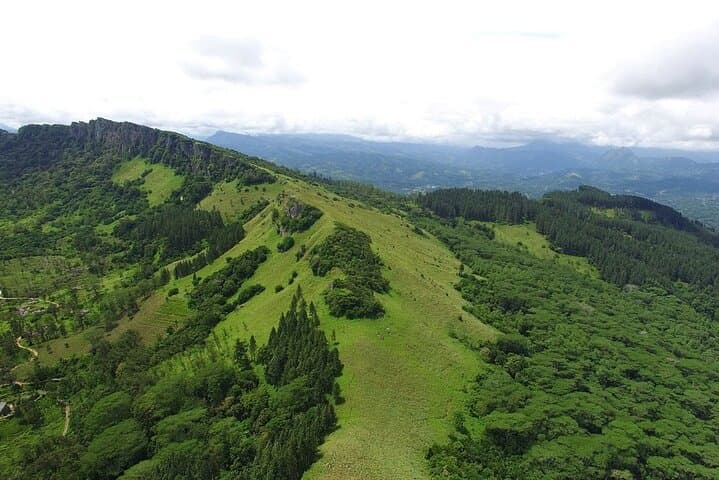
Geology here is old: the central highlands are weathered metamorphic rock carved into rounded peaks and narrow saddles. Hanthana’s ridges were cleared and planted during the 19th-century tea expansion, so the route alternates between forested singletrack, grassland, and former plantation terraces. Cultural context matters: the Sri Lanka Tea Industry Museum near the trailhead explains how colonial-era infrastructure reshaped both landscape and local economy, and the radio towers on the crest are a modern echo of that strategic use of height.
Expect a 6–9 km loop with sections of steep climbing and exposed ridge walking — plan for roughly 5–6 hours including the museum stop. Trails are mostly packed dirt and rock; occasional muddy patches after rain. An experienced naturalist guide will point out endemic birds and the purple-faced langur among the canopy.
Practical edge: start early to avoid heat and afternoon showers, wear grippy hiking shoes, carry at least 1.5–2 L of water, and bring cash for museum entry. Stay on marked tracks to limit erosion, and time your visit outside heavy monsoon windows for the cleanest views.
moderate.
5–6 hours.
Suitable for hikers with moderate fitness who can handle sustained climbs and uneven terrain
The route covers about 6–9 km with several steep sections on ridge and forest singletrack; expect 5–6 hours total and a moderate difficulty level.
Most departures include pickup and drop-off from Kandy city hotels — confirm your meeting point during booking.
Yes — the itinerary commonly includes a museum stop; check opening hours and bring a small amount of cash for entry.
Common sightings include native birds and occasionally the purple-faced langur; sightings aren’t guaranteed but guides are skilled at locating wildlife.
The Hanthana ridges were shaped by colonial-era tea expansion; plantations and estates transformed land use while the elevated crest later became a hub for radio transmission towers.
Hanthana contains protected forest patches — stick to marked trails, pack out waste, and support local guides to minimize erosion and disturbance.
Travceylon Leisure operates guided outdoor trips and adventures with an emphasis on safety, stewardship, and memorable experiences.
A cool morning folds over the Kandy valley as you step onto the first switchback toward Hanthana’s ridgeline. Low cloud skims the slopes, tea terraces step down the hillsides, and the summit line is punctuated by a handful of radio towers that mark both human use and raw elevation. The air smells faintly of damp earth and brewed Ceylon tea — a fitting scent for a day that combines mountain walking with cultural stops.
A cool morning folds over the Kandy valley as you step onto the first switchback toward Hanthana’s ridgeline. Low cloud skims the slopes, tea terraces step down the hillsides, and the summit line is punctuated by a handful of radio towers that mark both human use and raw elevation. The air smells faintly of damp earth and brewed Ceylon tea — a fitting scent for a day that combines mountain walking with cultural stops.
Geology here is old: the central highlands are weathered metamorphic rock carved into rounded peaks and narrow saddles. Hanthana’s ridges were cleared and planted during the 19th-century tea expansion, so the route alternates between forested singletrack, grassland, and former plantation terraces. Cultural context matters: the Sri Lanka Tea Industry Museum near the trailhead explains how colonial-era infrastructure reshaped both landscape and local economy, and the radio towers on the crest are a modern echo of that strategic use of height.
Expect a 6–9 km loop with sections of steep climbing and exposed ridge walking — plan for roughly 5–6 hours including the museum stop. Trails are mostly packed dirt and rock; occasional muddy patches after rain. An experienced naturalist guide will point out endemic birds and the purple-faced langur among the canopy.
Practical edge: start early to avoid heat and afternoon showers, wear grippy hiking shoes, carry at least 1.5–2 L of water, and bring cash for museum entry. Stay on marked tracks to limit erosion, and time your visit outside heavy monsoon windows for the cleanest views.