THE ADVENTURE COLLECTIVE® · Independent discovery and booking for outdoor travel

Walk the Senbon Torii and climb Mount Inari on a guided 7 km loop that blends shrine history, woodland trails and sweeping views of Kyoto. This small-group hike balances cultural insight with manageable elevation gain and frequent stops.
Walk the Senbon Torii and climb Mount Inari on a guided 7 km loop that blends shrine history, woodland trails and sweeping views of Kyoto. This small-group hike balances cultural insight with manageable elevation gain and frequent stops.
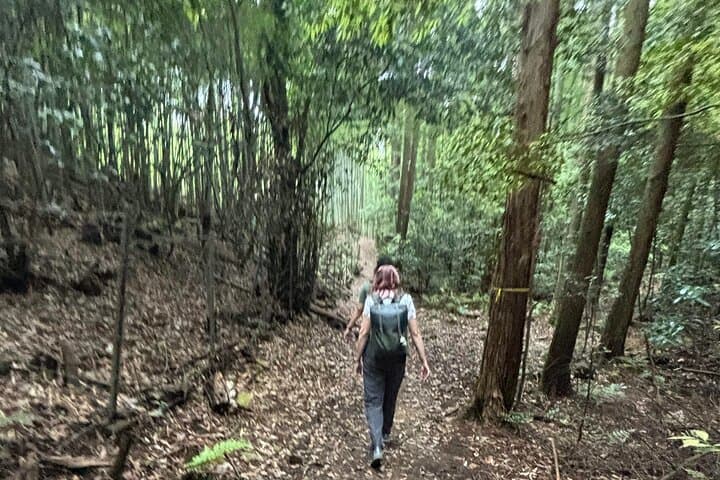
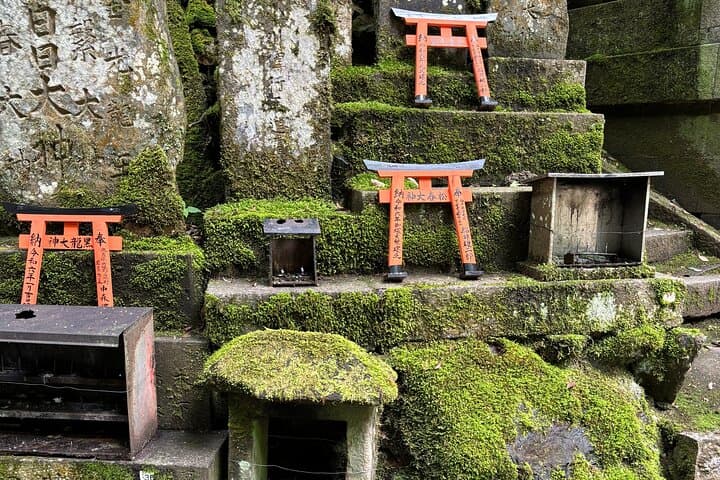
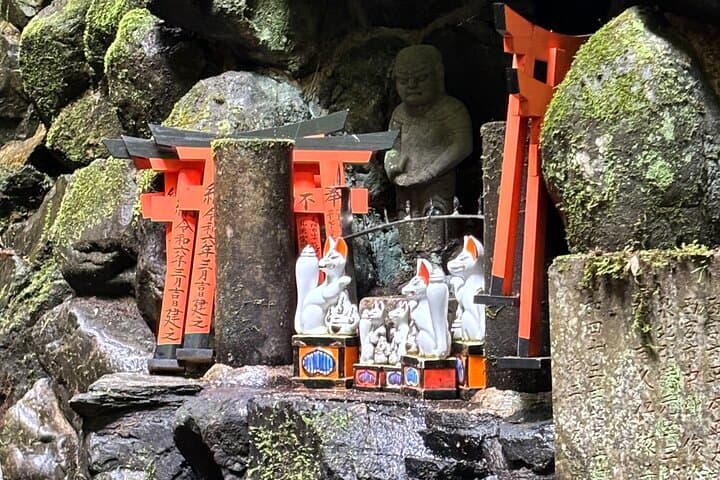
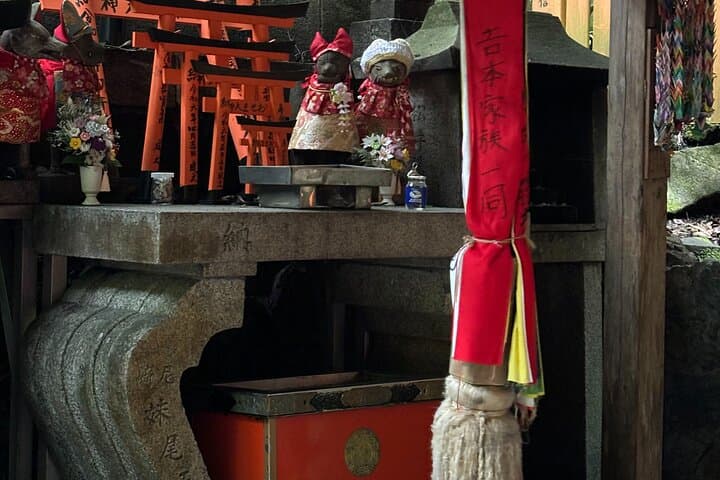
You step through vermilion gates and the city recedes into mossed stone and forest: the Senbon Torii—thousands of torii lined like a corridor—pulls you uphill beneath a canopy of cedar. The path rises in a series of stone steps and narrow tracks, each bend revealing small sub-shrines and the carved foxes that keep watch over Inari’s domain.
Verified experiences and guided adventures in the surrounding area.
Operated by Japandas · Kyoto, Kyoto Prefecture
You step through vermilion gates and the city recedes into mossed stone and forest: the Senbon Torii—thousands of torii lined like a corridor—pulls you uphill beneath a canopy of cedar. The path rises in a series of stone steps and narrow tracks, each bend revealing small sub-shrines and the carved foxes that keep watch over Inari’s domain.
Fushimi Inari Taisha dates to the 8th century and the mountain route has long functioned as both pilgrimage and local artery, tied to rice, merchants and prosperity. Geologically the ascent tracks a low volcanic ridge; underfoot alternate packed earth, cobbled stairs and gravel, with drainage channels carved to steer monsoon water. Culturally the walk is as much a ritual as a hike—offerings, ema plaques and fox iconography mark the human stories threaded through the forest.
Expect close views of Fushimi-Momoyama Castle from certain clearings and frequent small shrines tucked into the trees. Mosquitoes and slippery sections are seasonal realities; the summit reaches roughly 233 m and the complete loop used on guided routes covers about 7 km and takes near three hours.
Practical side: wear grippy footwear, bring 1–2 liters of water, and plan an early start to avoid peak tourist flow. Your guide meets at the Famima (FamilyMart) and finishes near Fushimi Inari station—small-group pacing allows frequent stops and cultural context. Respect shrine etiquette, stay on marked paths, and leave no trace so the gates and trails remain for the next pilgrim.
moderate.
2–3 hours.
Suitable for travelers with average fitness who can handle sustained stair sections and uneven trails.
Guided routes cover roughly 7 km and include stair sections up to the summit (about 233 m elevation); expect about 2–3 hours at a moderate pace.
There is no formal entrance fee for Fushimi Inari; however, treat all shrine spaces respectfully—no climbing on torii and follow posted rules at sub-shrines.
The route has many stairs and uneven ground; it’s best for children used to hiking and not recommended for those with significant mobility limitations.
Guides typically meet in front of the FamilyMart (Famima) with a company flag and the walk finishes near Fushimi Inari train station for easy public transport access.
Fushimi Inari Taisha dates back to the 8th century and grew as a guardian of rice and commerce; the torii-lined path evolved from pilgrim routes that threaded the mountain.
High foot traffic erodes ancient stone and impacts understory; stick to marked paths, avoid touching historic gates, and pack out litter to help preserve the shrine and forest.
Japandas operates guided outdoor trips and adventures with an emphasis on safety, stewardship, and memorable experiences.
You step through vermilion gates and the city recedes into mossed stone and forest: the Senbon Torii—thousands of torii lined like a corridor—pulls you uphill beneath a canopy of cedar. The path rises in a series of stone steps and narrow tracks, each bend revealing small sub-shrines and the carved foxes that keep watch over Inari’s domain.
You step through vermilion gates and the city recedes into mossed stone and forest: the Senbon Torii—thousands of torii lined like a corridor—pulls you uphill beneath a canopy of cedar. The path rises in a series of stone steps and narrow tracks, each bend revealing small sub-shrines and the carved foxes that keep watch over Inari’s domain.
Fushimi Inari Taisha dates to the 8th century and the mountain route has long functioned as both pilgrimage and local artery, tied to rice, merchants and prosperity. Geologically the ascent tracks a low volcanic ridge; underfoot alternate packed earth, cobbled stairs and gravel, with drainage channels carved to steer monsoon water. Culturally the walk is as much a ritual as a hike—offerings, ema plaques and fox iconography mark the human stories threaded through the forest.
Expect close views of Fushimi-Momoyama Castle from certain clearings and frequent small shrines tucked into the trees. Mosquitoes and slippery sections are seasonal realities; the summit reaches roughly 233 m and the complete loop used on guided routes covers about 7 km and takes near three hours.
Practical side: wear grippy footwear, bring 1–2 liters of water, and plan an early start to avoid peak tourist flow. Your guide meets at the Famima (FamilyMart) and finishes near Fushimi Inari station—small-group pacing allows frequent stops and cultural context. Respect shrine etiquette, stay on marked paths, and leave no trace so the gates and trails remain for the next pilgrim.