THE ADVENTURE COLLECTIVE® · Independent discovery and booking for outdoor travel

Walk under low cloud and listen for trogons on a three-hour guided loop through primary and secondary forest at Curi-Cancha Reserve. Ideal for birders and wildlife lovers, this small-group hike focuses on natural history and close-up encounters with canopy life.
Walk under low cloud and listen for trogons on a three-hour guided loop through primary and secondary forest at Curi-Cancha Reserve. Ideal for birders and wildlife lovers, this small-group hike focuses on natural history and close-up encounters with canopy life.
Mist hangs low between the buttressed trunks as the group steps onto an earthen lane — leaves hush underfoot and the forest answers with a cascade of bird calls. The trail through Curi-Cancha Reserve moves from secondary regrowth into pockets of surviving primary forest, where moss clings like old mail to branches and rivers dare you to listen closer.
Verified experiences and guided adventures in the surrounding area.
Operated by Three Brothers Tours · Monteverde, Puntarenas
Mist hangs low between the buttressed trunks as the group steps onto an earthen lane — leaves hush underfoot and the forest answers with a cascade of bird calls. The trail through Curi-Cancha Reserve moves from secondary regrowth into pockets of surviving primary forest, where moss clings like old mail to branches and rivers dare you to listen closer.
This corner of the Cordillera de Tilarán sits on volcanic soils and steep ridgelines that catch moist trade winds, producing the cloud-layer microclimate that defines Monteverde. Human history here is recent: mid-20th century settlers, conservation efforts by local communities, and dedicated reserves have turned fragments of forest into living classrooms for naturalists. Cultural ties to small farms and eco-tourism shape how guides tell the land’s story.
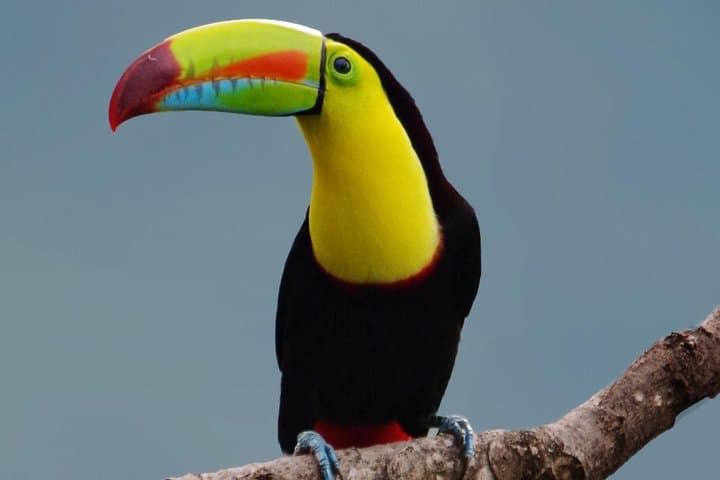
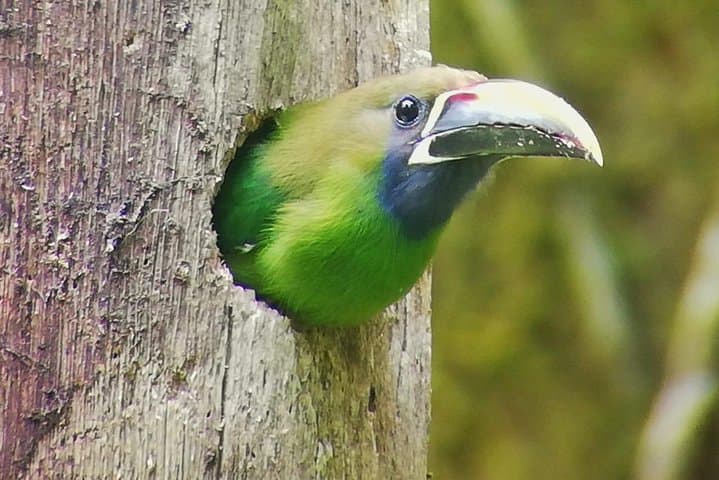
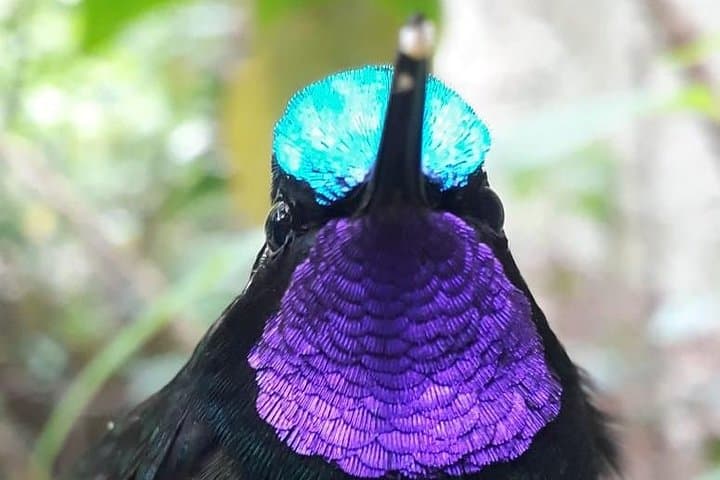
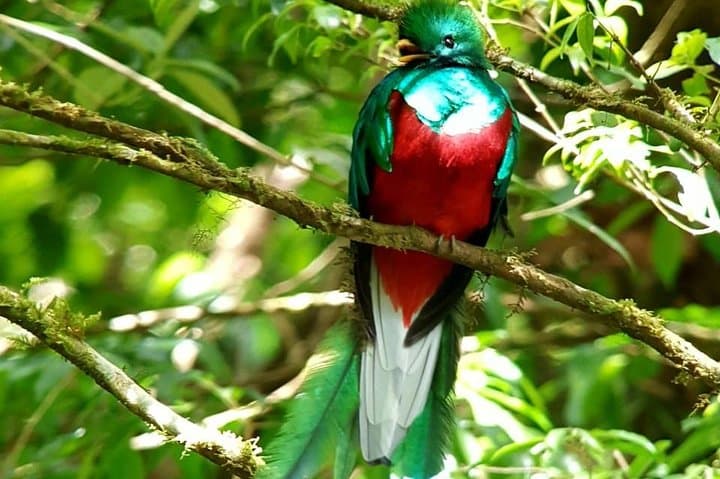
Expect a three-hour guided loop over uneven, often muddy trails with modest climbs and frequent viewpoints. Birding is the headline — trogons, tanagers and, with luck, a resplendent quetzal — while shy mammals like sloths and coatis move like slow punctuation above. Guides highlight tracks, calls, and plant uses as you move: ferns that hold water, strangler figs that stage silent dramas.
Practical angle: start early during dry-window hours for best bird activity; wear grippy shoes and a breathable rain shell; bring binoculars, water, and layered clothing for rapid temperature swings. Trails are narrow and interpretive signs sparse, so rely on your guide and keep noise low. Respect posted routes — Curi-Cancha’s recovery depends on visitors staying on the path and leaving no trace.
easy.
3 hours.
Suitable for most fitness levels; participants should be comfortable walking on uneven, sometimes steep terrain for up to three hours.
The guided walk is about three hours on trails with short climbs and uneven ground; rated easy and suitable for most fitness levels.
Both species are present in the reserve; sightings depend on season, time of day and luck—guides maximize chances by positioning at known feeding areas.
This tour description notes admission is not included; confirm meeting details with the operator and bring local currency if required for entry fees.
Yes, especially during the wet season—good traction footwear and a rain shell are recommended.
Monteverde’s modern conservation story grew from mid-20th century settlers and local preservation efforts that established private reserves and protected corridors across the Tilarán range.
Curi-Cancha practices low-impact access and relies on visitors staying on trails; avoid feeding wildlife and carry out all trash to support recovery efforts.
Three Brothers Tours operates guided outdoor trips and adventures with an emphasis on safety, stewardship, and memorable experiences.
Mist hangs low between the buttressed trunks as the group steps onto an earthen lane — leaves hush underfoot and the forest answers with a cascade of bird calls. The trail through Curi-Cancha Reserve moves from secondary regrowth into pockets of surviving primary forest, where moss clings like old mail to branches and rivers dare you to listen closer.
Mist hangs low between the buttressed trunks as the group steps onto an earthen lane — leaves hush underfoot and the forest answers with a cascade of bird calls. The trail through Curi-Cancha Reserve moves from secondary regrowth into pockets of surviving primary forest, where moss clings like old mail to branches and rivers dare you to listen closer.
This corner of the Cordillera de Tilarán sits on volcanic soils and steep ridgelines that catch moist trade winds, producing the cloud-layer microclimate that defines Monteverde. Human history here is recent: mid-20th century settlers, conservation efforts by local communities, and dedicated reserves have turned fragments of forest into living classrooms for naturalists. Cultural ties to small farms and eco-tourism shape how guides tell the land’s story.
Expect a three-hour guided loop over uneven, often muddy trails with modest climbs and frequent viewpoints. Birding is the headline — trogons, tanagers and, with luck, a resplendent quetzal — while shy mammals like sloths and coatis move like slow punctuation above. Guides highlight tracks, calls, and plant uses as you move: ferns that hold water, strangler figs that stage silent dramas.
Practical angle: start early during dry-window hours for best bird activity; wear grippy shoes and a breathable rain shell; bring binoculars, water, and layered clothing for rapid temperature swings. Trails are narrow and interpretive signs sparse, so rely on your guide and keep noise low. Respect posted routes — Curi-Cancha’s recovery depends on visitors staying on the path and leaving no trace.