THE ADVENTURE COLLECTIVE® · Independent discovery and booking for outdoor travel

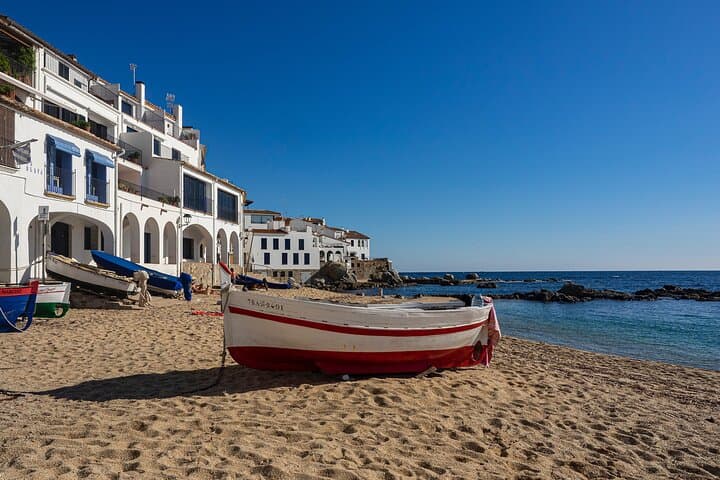
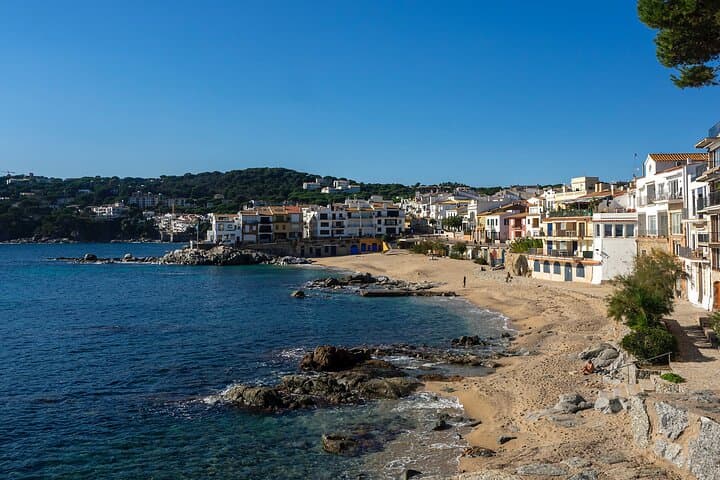
Walk the Camino de Ronda along the Costa Brava, trading cliffs and emerald coves for swims and seafood in Calella de Palafrugell. This guided day trip pairs rocky coastal hiking with snorkel stops and local culture.
Walk the Camino de Ronda along the Costa Brava, trading cliffs and emerald coves for swims and seafood in Calella de Palafrugell. This guided day trip pairs rocky coastal hiking with snorkel stops and local culture.
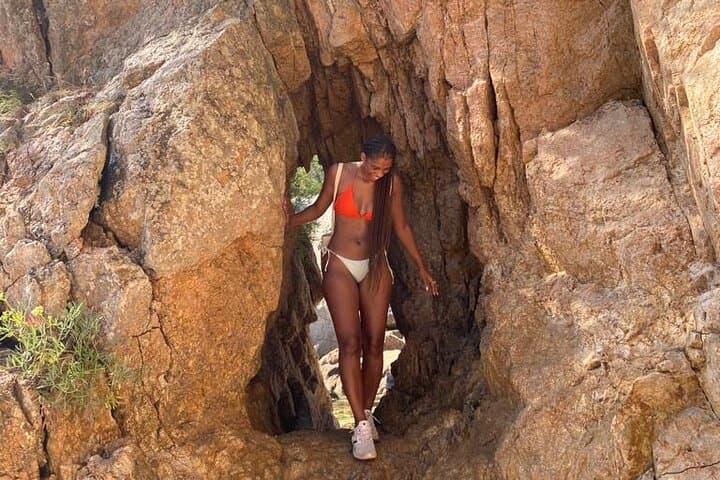
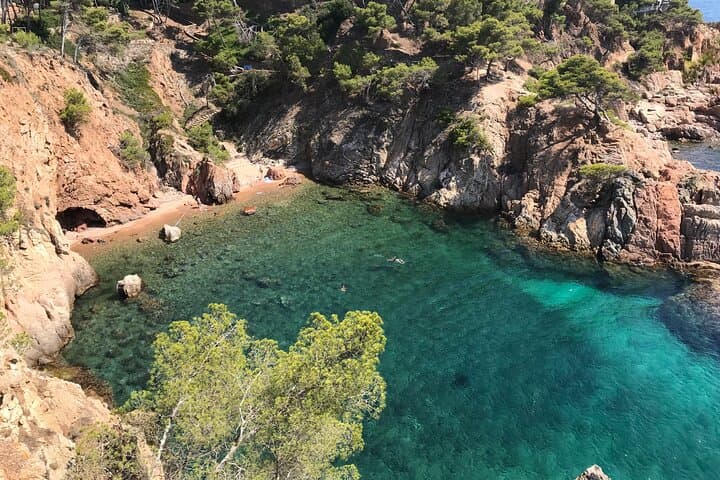
You step onto sun-warmed limestone and the Mediterranean opens like a living map: turquoise coves tucked into crumbly cliffs, scrubby pines clinging to ledges, and the sea itself nudging you toward the next cove. The Camino de Ronda here is a coastal spine—rocky steps, narrow ledges and sudden viewpoints—where each turn reveals another caleta daring you to slow down and look.
Verified experiences and guided adventures in the surrounding area.
Operated by ONE LIFE HIKE IT: Walking and Hiking Tours Barcelona and Girona. · Palamós, Girona
You step onto sun-warmed limestone and the Mediterranean opens like a living map: turquoise coves tucked into crumbly cliffs, scrubby pines clinging to ledges, and the sea itself nudging you toward the next cove. The Camino de Ronda here is a coastal spine—rocky steps, narrow ledges and sudden viewpoints—where each turn reveals another caleta daring you to slow down and look.
The Camino de Ronda began as a practical track for fishermen and coast guards, later becoming the route that stitched small fishing villages like Palamós and Calella de Palafrugell together. Geologically, the coast is folded limestone and shale worn into coves and sea caves; the shoreline’s jagged profile channels waves and creates calm emerald basins ideal for snorkeling. Culturally, these villages still center on seafood and local mariner traditions—Cap Roig’s gardens and the small Dali-linked studios nearby add a human layer to the landscape.
Practically: expect an 8 km loop of mixed rocky singletrack and packed dirt with 100–300 m cumulative elevation gain; the hiking segment runs about 2–4 hours, with swimming or snorkeling breaks. Trails can be exposed—bring sun protection and layered windproofs for on-shore gusts. Sturdy, grippy shoes handle the limestone; a small dry bag keeps valuables safe during swims. Guides commonly provide water stops and local snacks, and pickups from Barcelona add ~1.5 hours drive each way, so plan for a full-day rhythm. Move deliberately on coastal ledges, respect marked paths, and let the sea lead your pace: the currents will show you where to pause and where to push on.
moderate.
6–9 hours (including transit and beach time).
Moderate fitness; comfortable with 2–4 hours of hiking on mixed terrain and short swims.
The loop is about 8 km with mixed rocky and dirt trail sections; most people with moderate fitness find it manageable in 2–4 hours, though there are exposed sections and short climbs.
Yes—there are scheduled stops at sheltered calas for swimming and optional snorkeling; bring your own mask or rent locally if not provided.
Pickup is typically offered from Barcelona (or nearby train stations); the hike starts near Cala de Castell/Palamós and finishes at Calella de Palafrugell for lunch.
Guides can shorten or slow the pace, skip certain ledges, or extend beach time—communicate your needs when booking.
The Camino de Ronda began as fishermen’s and coast guard tracks—routes used to move between calas, monitor the coast and curb smuggling—shaping the modern fishing villages you’ll pass.
Coastal maquis and underwater Posidonia beds are fragile—stay on marked trails, avoid collecting marine life, and use reef-safe sunscreen to limit damage.
ONE LIFE HIKE IT: Walking and Hiking Tours Barcelona and Girona. operates guided outdoor trips and adventures with an emphasis on safety, stewardship, and memorable experiences.
You step onto sun-warmed limestone and the Mediterranean opens like a living map: turquoise coves tucked into crumbly cliffs, scrubby pines clinging to ledges, and the sea itself nudging you toward the next cove. The Camino de Ronda here is a coastal spine—rocky steps, narrow ledges and sudden viewpoints—where each turn reveals another caleta daring you to slow down and look.
You step onto sun-warmed limestone and the Mediterranean opens like a living map: turquoise coves tucked into crumbly cliffs, scrubby pines clinging to ledges, and the sea itself nudging you toward the next cove. The Camino de Ronda here is a coastal spine—rocky steps, narrow ledges and sudden viewpoints—where each turn reveals another caleta daring you to slow down and look.
The Camino de Ronda began as a practical track for fishermen and coast guards, later becoming the route that stitched small fishing villages like Palamós and Calella de Palafrugell together. Geologically, the coast is folded limestone and shale worn into coves and sea caves; the shoreline’s jagged profile channels waves and creates calm emerald basins ideal for snorkeling. Culturally, these villages still center on seafood and local mariner traditions—Cap Roig’s gardens and the small Dali-linked studios nearby add a human layer to the landscape.
Practically: expect an 8 km loop of mixed rocky singletrack and packed dirt with 100–300 m cumulative elevation gain; the hiking segment runs about 2–4 hours, with swimming or snorkeling breaks. Trails can be exposed—bring sun protection and layered windproofs for on-shore gusts. Sturdy, grippy shoes handle the limestone; a small dry bag keeps valuables safe during swims. Guides commonly provide water stops and local snacks, and pickups from Barcelona add ~1.5 hours drive each way, so plan for a full-day rhythm. Move deliberately on coastal ledges, respect marked paths, and let the sea lead your pace: the currents will show you where to pause and where to push on.