THE ADVENTURE COLLECTIVE® · Independent discovery and booking for outdoor travel

Spend a half day hiking Black River Gorges National Park and move from cool, shaded native forest to sweeping highland views. Expect waterfalls, endemic plants and a taste of Mauritius’s conservation story on well-marked trails.
Spend a half day hiking Black River Gorges National Park and move from cool, shaded native forest to sweeping highland views. Expect waterfalls, endemic plants and a taste of Mauritius’s conservation story on well-marked trails.
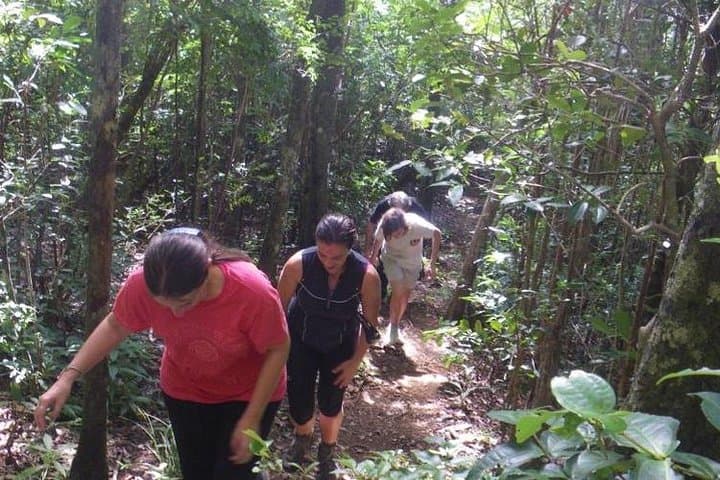
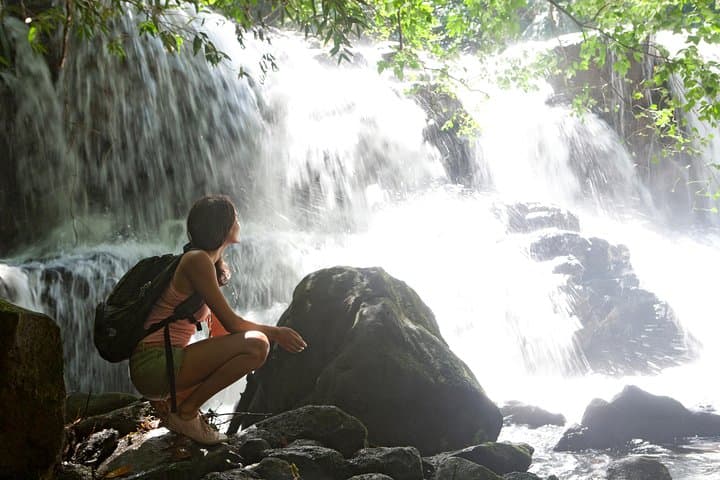
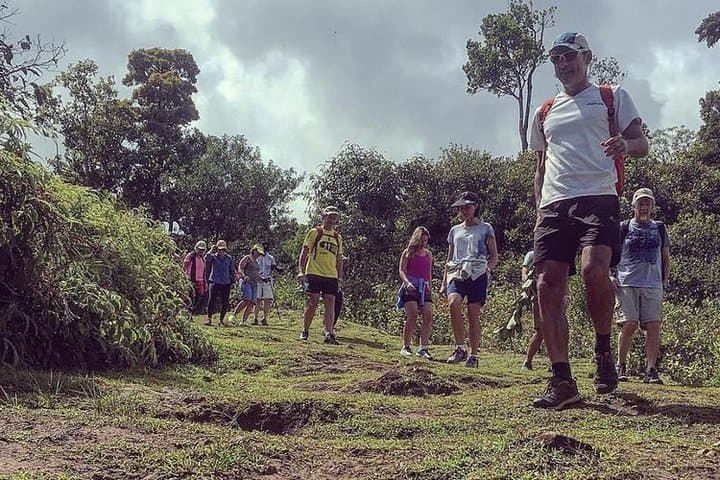
Mist sits in the bowl of the gorges as you step from the van — a cool, green breath that cuts the island heat. Trails thread up through ebony and takamaka, and the river below seems to dare you forward with the distant hiss of falls. Over three hours you'll move from shaded footpaths to open viewpoints where the central highlands spill toward the sea.
Verified experiences and guided adventures in the surrounding area.
Operated by Ken taxi service Mauritius · Black River, Black River District
Mist sits in the bowl of the gorges as you step from the van — a cool, green breath that cuts the island heat. Trails thread up through ebony and takamaka, and the river below seems to dare you forward with the distant hiss of falls. Over three hours you'll move from shaded footpaths to open viewpoints where the central highlands spill toward the sea.
Black River Gorges National Park protects one of Mauritius’s last large tracts of native forest. Carved into volcanic rock, the terrain is a mix of steep ridge lines, deep gorges and schist valleys formed by ancient lava flows and erosion. The park’s history is recent in conservation terms: established to safeguard endemic plants and rare birds such as the pink pigeon and native fruit bat, it remains central to Mauritius’s recovery efforts.
Culturally the area links to Creole rural life—small villages, sugarcane ridges and roadside food stalls near trailheads. Local guides often point out endemic tree species used traditionally and explain how invasive plants changed the forest map.
Practicalities: expect roughly 6–8 km of walking over uneven, sometimes muddy ground with modest elevation changes; bring sturdy footwear, rain protection and at least 1–2 liters of water. Start early for cooler temperatures and better bird activity; mid-day can be humid and visibility may drop in low cloud.
On a half-day hike you’ll trade crowded beaches for concentrated wilderness: waterfalls, native understory scent, and few other travelers. It’s a compact taste of Mauritius’s wild interior—accessible, instructive and quietly urgent in its conservation story.
moderate.
2–3 hours.
Moderate fitness: able to sustain steady walking on uneven ground and short uphill sections.
Most half-day routes cover about 6–8 km and take roughly 2–3 hours depending on pace and stops.
Guides are not strictly required but a local guide adds orientation, wildlife spotting and cultural context—useful for first-time visitors.
Families can do parts of the park, but trails include steep and uneven sections; infants should be in carriers rather than strollers.
Expect endemic birds like the pink pigeon and, at dusk, fruit bats; sightings depend on season and time of day.
The park was established to protect remaining native forest and species after extensive clearing for agriculture; it now anchors Mauritius’s island-scale conservation efforts.
Invasive plants and habitat loss are ongoing threats; visitors help by sticking to trails and following biosecurity guidance to limit seed transport.
Ken taxi service Mauritius operates guided outdoor trips and adventures with an emphasis on safety, stewardship, and memorable experiences.
Mist sits in the bowl of the gorges as you step from the van — a cool, green breath that cuts the island heat. Trails thread up through ebony and takamaka, and the river below seems to dare you forward with the distant hiss of falls. Over three hours you'll move from shaded footpaths to open viewpoints where the central highlands spill toward the sea.
Mist sits in the bowl of the gorges as you step from the van — a cool, green breath that cuts the island heat. Trails thread up through ebony and takamaka, and the river below seems to dare you forward with the distant hiss of falls. Over three hours you'll move from shaded footpaths to open viewpoints where the central highlands spill toward the sea.
Black River Gorges National Park protects one of Mauritius’s last large tracts of native forest. Carved into volcanic rock, the terrain is a mix of steep ridge lines, deep gorges and schist valleys formed by ancient lava flows and erosion. The park’s history is recent in conservation terms: established to safeguard endemic plants and rare birds such as the pink pigeon and native fruit bat, it remains central to Mauritius’s recovery efforts.
Culturally the area links to Creole rural life—small villages, sugarcane ridges and roadside food stalls near trailheads. Local guides often point out endemic tree species used traditionally and explain how invasive plants changed the forest map.
Practicalities: expect roughly 6–8 km of walking over uneven, sometimes muddy ground with modest elevation changes; bring sturdy footwear, rain protection and at least 1–2 liters of water. Start early for cooler temperatures and better bird activity; mid-day can be humid and visibility may drop in low cloud.
On a half-day hike you’ll trade crowded beaches for concentrated wilderness: waterfalls, native understory scent, and few other travelers. It’s a compact taste of Mauritius’s wild interior—accessible, instructive and quietly urgent in its conservation story.