THE ADVENTURE COLLECTIVE® · Independent discovery and booking for outdoor travel

A guided 90–120 minute walk through Nosara Biological Reserve where dry-forest birds, reptiles and occasional mammals are viewed with binoculars and a telescope. Ideal for early-morning birders and anyone wanting a relaxed nature experience near Playa Nosara.
A guided 90–120 minute walk through Nosara Biological Reserve where dry-forest birds, reptiles and occasional mammals are viewed with binoculars and a telescope. Ideal for early-morning birders and anyone wanting a relaxed nature experience near Playa Nosara.
Morning light threads through low dry-forest canopy as the guide raises a telescope and the trail tightens to a single file of leaf litter and exposed roots. In the Nosara Biological Reserve the forest breathes close; motmots flash, tanagers call, and the occasional howler announces itself across the ridge. The walk is intimate—85 acres of protected habitat where quiet observation turns ordinary paths into bureaus of wildlife.
Verified experiences and guided adventures in the surrounding area.
Operated by Hiking Tours Nosara · Nosara, Guanacaste
Morning light threads through low dry-forest canopy as the guide raises a telescope and the trail tightens to a single file of leaf litter and exposed roots. In the Nosara Biological Reserve the forest breathes close; motmots flash, tanagers call, and the occasional howler announces itself across the ridge. The walk is intimate—85 acres of protected habitat where quiet observation turns ordinary paths into bureaus of wildlife.
The reserve sits on the Nicoya Peninsula in Guanacaste, an area shaped by ancient volcanic flows and coastal terraces. The soils are sandy and well drained, supporting a dry tropical forest that cycles between a pronounced dry season and a verdant wet season. Local culture here blends small‑town Tico rhythms with surf and wellness scenes from nearby Playa Nosara—guides often point out how traditional cattle ranching gave way to conservation and tourism in the late 20th century.
On trail you’ll move slowly: expect roughly 1.5–2 hours of easy hiking over ~3 km with minimal elevation gain (50–100 m). Guides supply binoculars and a telescope for distant perches and skulking shorebirds; groups are small (up to 12). Practical notes: mornings are best for bird activity, trails can get slick in the rainy months, and low light under canopy rewards a steady pace rather than a rush.
Bring solid trail shoes, water, insect repellent, and a light rain layer in wet season. Respect posted paths, keep distance from wildlife, and consider a sunrise slot to chase the most active species and best light.
easy.
1.5–2 hours.
Suitable for most fitness levels; requires walking 2–4 km on uneven ground and brief uphill sections.
The guided walk lasts about 90–120 minutes over roughly 3 km with minimal elevation gain; it’s rated easy and suitable for most people who can walk on uneven ground.
Yes—guides focus on bird species common to dry tropical forest and may spot reptiles and small mammals; sightings are not guaranteed but equipment like binoculars and a telescope are provided.
Early morning is best for bird activity and cooler temperatures; late afternoons can also be productive but mornings usually offer the most sightings.
Yes—this activity is suitable for a wide range of ages, but it’s not recommended for people with serious spinal or cardiovascular issues per the operator’s guidance.
The area transitioned from cattle ranching to conservation and ecotourism in the late 20th century, reflecting broader shifts on the Nicoya Peninsula toward preserving dry-forest fragments.
The reserve is a small but important protected patch—stay on trails to reduce erosion and disturbance; local guides support conservation by educating visitors and monitoring species.
Hiking Tours Nosara operates guided outdoor trips and adventures with an emphasis on safety, stewardship, and memorable experiences.
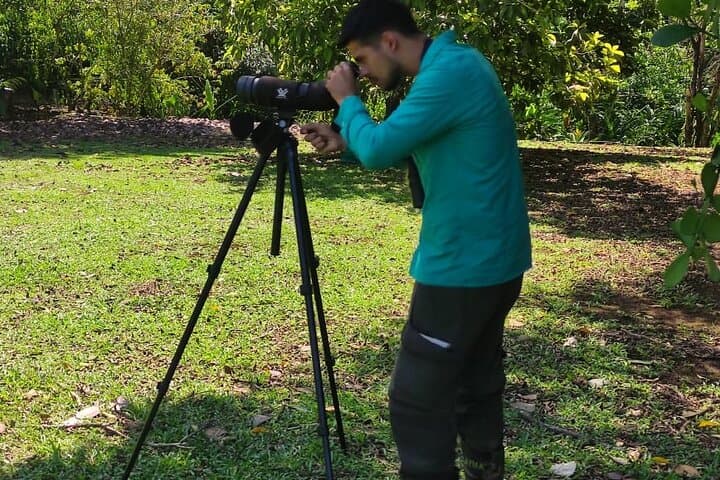
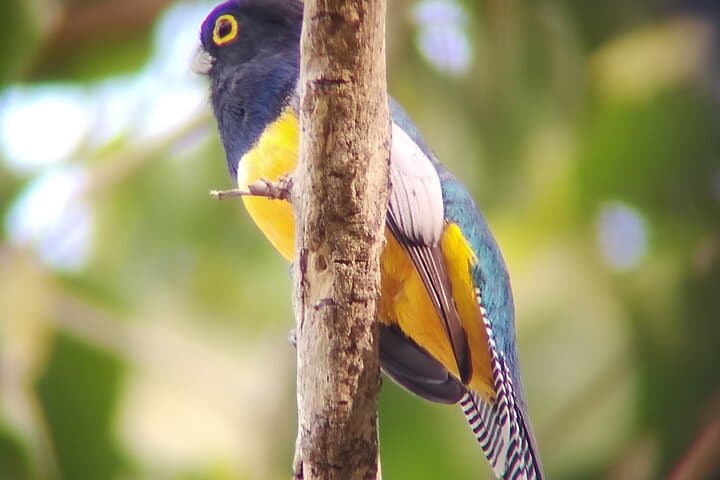
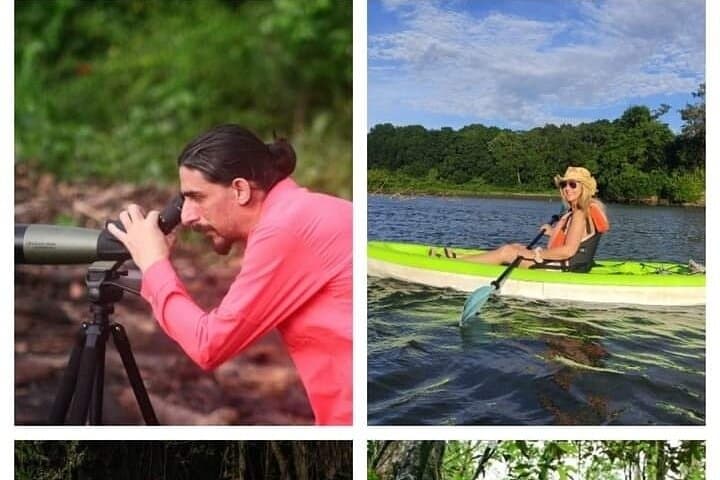
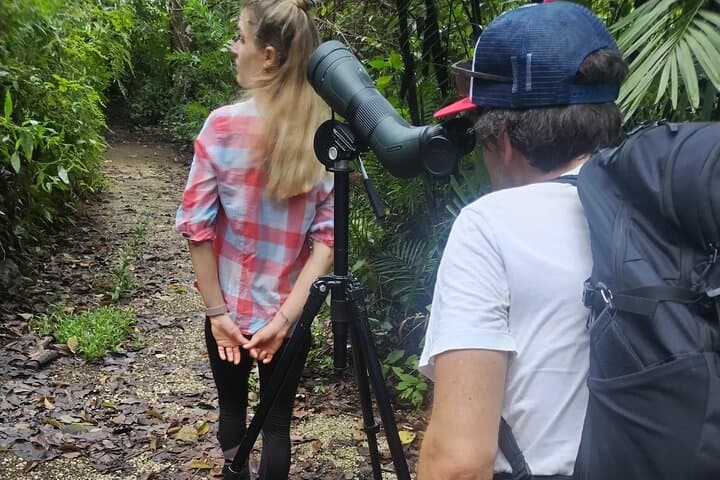
Morning light threads through low dry-forest canopy as the guide raises a telescope and the trail tightens to a single file of leaf litter and exposed roots. In the Nosara Biological Reserve the forest breathes close; motmots flash, tanagers call, and the occasional howler announces itself across the ridge. The walk is intimate—85 acres of protected habitat where quiet observation turns ordinary paths into bureaus of wildlife.
Morning light threads through low dry-forest canopy as the guide raises a telescope and the trail tightens to a single file of leaf litter and exposed roots. In the Nosara Biological Reserve the forest breathes close; motmots flash, tanagers call, and the occasional howler announces itself across the ridge. The walk is intimate—85 acres of protected habitat where quiet observation turns ordinary paths into bureaus of wildlife.
The reserve sits on the Nicoya Peninsula in Guanacaste, an area shaped by ancient volcanic flows and coastal terraces. The soils are sandy and well drained, supporting a dry tropical forest that cycles between a pronounced dry season and a verdant wet season. Local culture here blends small‑town Tico rhythms with surf and wellness scenes from nearby Playa Nosara—guides often point out how traditional cattle ranching gave way to conservation and tourism in the late 20th century.
On trail you’ll move slowly: expect roughly 1.5–2 hours of easy hiking over ~3 km with minimal elevation gain (50–100 m). Guides supply binoculars and a telescope for distant perches and skulking shorebirds; groups are small (up to 12). Practical notes: mornings are best for bird activity, trails can get slick in the rainy months, and low light under canopy rewards a steady pace rather than a rush.
Bring solid trail shoes, water, insect repellent, and a light rain layer in wet season. Respect posted paths, keep distance from wildlife, and consider a sunrise slot to chase the most active species and best light.