THE ADVENTURE COLLECTIVE® · Independent discovery and booking for outdoor travel

Walk from Chinchero through panoramic viewpoints and pre-Inca terraces, accompanied by llamas and alpacas, then join a textile workshop run by local women artisans. This private half-day tour blends moderate hiking with hands-on learning about alpaca fiber and traditional dye methods.
Walk from Chinchero through panoramic viewpoints and pre-Inca terraces, accompanied by llamas and alpacas, then join a textile workshop run by local women artisans. This private half-day tour blends moderate hiking with hands-on learning about alpaca fiber and traditional dye methods.
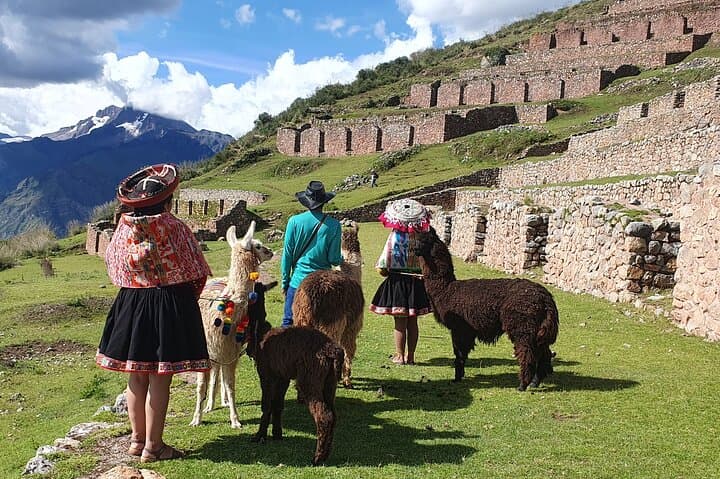
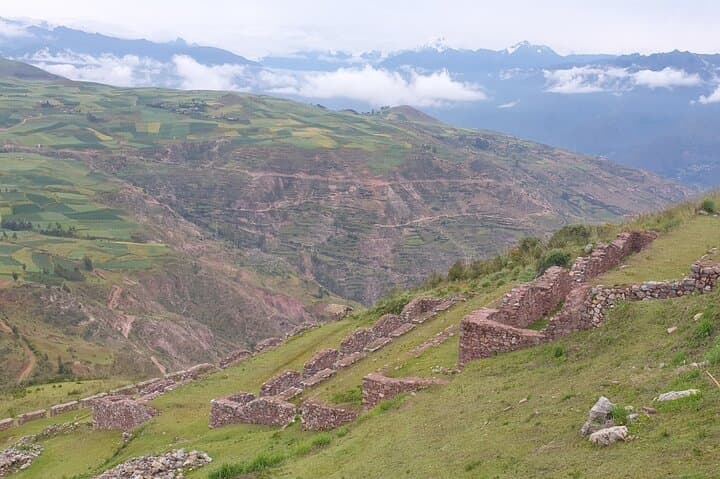
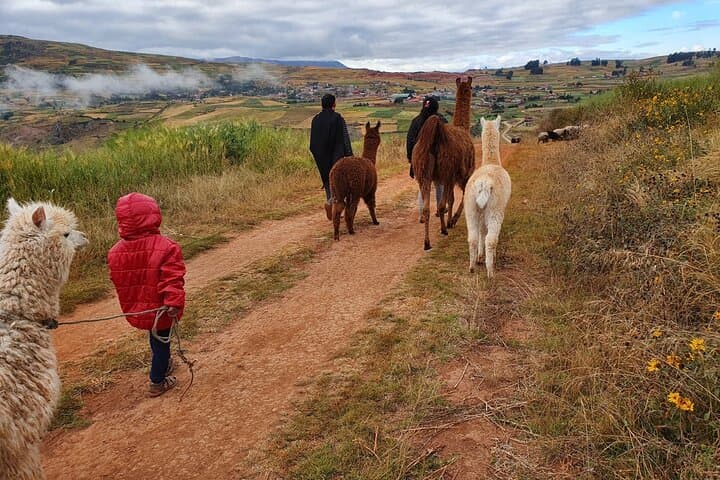
The trail opens above the Chinchero viewpoint: thin air, hard-edged light, and a parade of alpacas and llamas moving with quiet purpose. Travelers begin at the ruins and terraces, stepping onto a high puna where wind sketches patterns across high grass and the distant snowy peaks watch like slow-moving sentinels.
Verified experiences and guided adventures in the surrounding area.
Operated by Andean Colors · Chinchero, Cusco
The trail opens above the Chinchero viewpoint: thin air, hard-edged light, and a parade of alpacas and llamas moving with quiet purpose. Travelers begin at the ruins and terraces, stepping onto a high puna where wind sketches patterns across high grass and the distant snowy peaks watch like slow-moving sentinels.
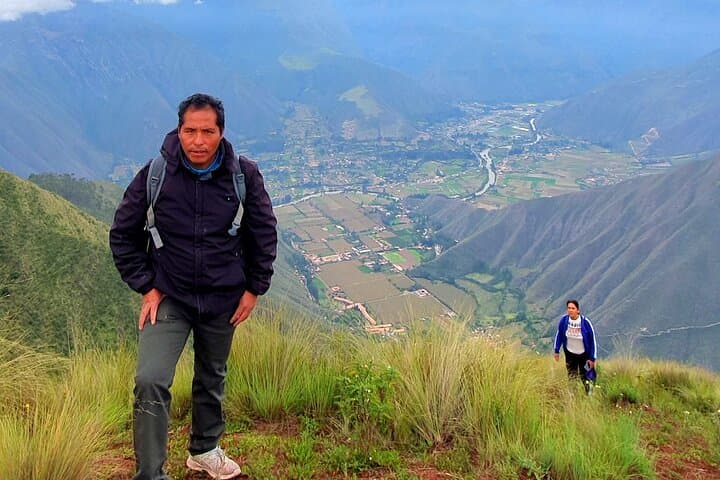
This route threads pre-Inca and Inca stonework at Machuqolqa, follows ridgelines that reveal the Sacred Valley’s glacial-carved geology, and arrives at the Racchi peasant community where living culture centers on alpaca fiber. Local artisans—many single mothers—run the Andean Colors project, preserving spinning and natural-dye techniques that date back centuries. The picnic at Qori Huayrachina provides views over the valley floor and a moment to see how terraces shaped agriculture here.
Expect dirt tracks, grazed pasture, and compacted flagstone near archaeological sites; elevation sits above 3,700 m, so the landscape feels spare and direct, with sky and mountain trading dominance.
Practical guidance: hike steadily, pace for altitude, and bring layered insulation—the sun hits hard and mornings are cold. Footwear with ankle support and a grippy sole handles mixed mud, rock and steep ramps. Hydrate before and during the day; plan for slower footing when visiting ruins.
Cultural note: interactions with artisans are part exchange and part learning—ask before photographing, and consider bringing pesos for purchases to support local enterprises. The loop is private and family-oriented, pairing a moderate hike with hands-on textile education and close contact with tame camelids.
moderate.
5–6 hours.
Moderate fitness: able to walk 4–7 miles on uneven ground with steady climbs at altitude
The tour includes round-trip transfers; confirm pickup location in Cusco at booking and the operator will return you after the workshop.
The hike is private and family-friendly but requires moderate fitness; those with spinal, heart, or severe mobility issues should avoid it.
Yes—animals are accustomed to visitors, with trained handlers supervising feeding and interaction during the visit.
Notify the operator in advance via booking questions; traditional lunch includes a starter, main dish and chicha morada-based drink and can often be adapted.
Chinchero and nearby Machuqolqa contain pre-Inca and Inca agricultural terraces and ceremonial platforms—stonework here reflects ancient land management strategies tied to the Sacred Valley.
Supporting the women-led Andean Colors project channels tourism dollars into local livelihoods and helps preserve traditional textile techniques; visitors should avoid feeding wild animals and stick to designated paths to minimize erosion.
Andean Colors operates guided outdoor trips and adventures with an emphasis on safety, stewardship, and memorable experiences.
The trail opens above the Chinchero viewpoint: thin air, hard-edged light, and a parade of alpacas and llamas moving with quiet purpose. Travelers begin at the ruins and terraces, stepping onto a high puna where wind sketches patterns across high grass and the distant snowy peaks watch like slow-moving sentinels.
The trail opens above the Chinchero viewpoint: thin air, hard-edged light, and a parade of alpacas and llamas moving with quiet purpose. Travelers begin at the ruins and terraces, stepping onto a high puna where wind sketches patterns across high grass and the distant snowy peaks watch like slow-moving sentinels.
This route threads pre-Inca and Inca stonework at Machuqolqa, follows ridgelines that reveal the Sacred Valley’s glacial-carved geology, and arrives at the Racchi peasant community where living culture centers on alpaca fiber. Local artisans—many single mothers—run the Andean Colors project, preserving spinning and natural-dye techniques that date back centuries. The picnic at Qori Huayrachina provides views over the valley floor and a moment to see how terraces shaped agriculture here.
Expect dirt tracks, grazed pasture, and compacted flagstone near archaeological sites; elevation sits above 3,700 m, so the landscape feels spare and direct, with sky and mountain trading dominance.
Practical guidance: hike steadily, pace for altitude, and bring layered insulation—the sun hits hard and mornings are cold. Footwear with ankle support and a grippy sole handles mixed mud, rock and steep ramps. Hydrate before and during the day; plan for slower footing when visiting ruins.
Cultural note: interactions with artisans are part exchange and part learning—ask before photographing, and consider bringing pesos for purchases to support local enterprises. The loop is private and family-oriented, pairing a moderate hike with hands-on textile education and close contact with tame camelids.