THE ADVENTURE COLLECTIVE® · Independent discovery and booking for outdoor travel

Climb Vitosha’s highest point, Cherni Vrah, on a private 6‑hour hike that pairs sweeping summit views with a cultural stop at Dragalevtsi Monastery. This accessible day trek delivers alpine ridgelines, granite blockfields and a direct look back at Sofia.
Climb Vitosha’s highest point, Cherni Vrah, on a private 6‑hour hike that pairs sweeping summit views with a cultural stop at Dragalevtsi Monastery. This accessible day trek delivers alpine ridgelines, granite blockfields and a direct look back at Sofia.
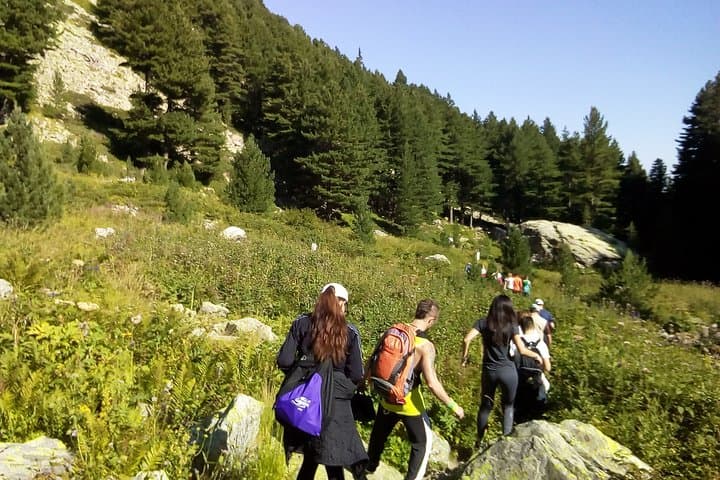
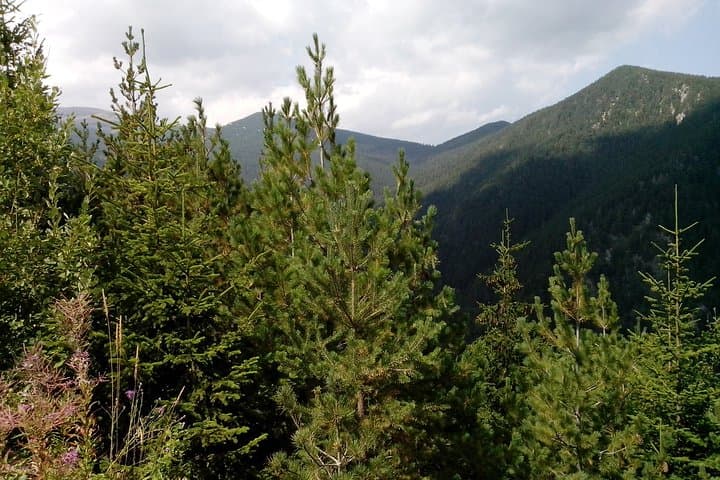
Morning light tilts over Sofia as you take the road that climbs from the city’s edge into Vitosha’s dome. The pines open onto a path that quickly leans uphill; the mountain doesn’t ask politely — it nudges you. By mid-hike the summit of Cherni Vrah (2,290 m) hangs above like a weathered watchtower, and the city below contracts into a spread of roofs and avenues.
Verified experiences and guided adventures in the surrounding area.
Operated by VisitBulgariaOn Bespoke Experiences · Sofia, Sofia City Province
Morning light tilts over Sofia as you take the road that climbs from the city’s edge into Vitosha’s dome. The pines open onto a path that quickly leans uphill; the mountain doesn’t ask politely — it nudges you. By mid-hike the summit of Cherni Vrah (2,290 m) hangs above like a weathered watchtower, and the city below contracts into a spread of roofs and avenues.
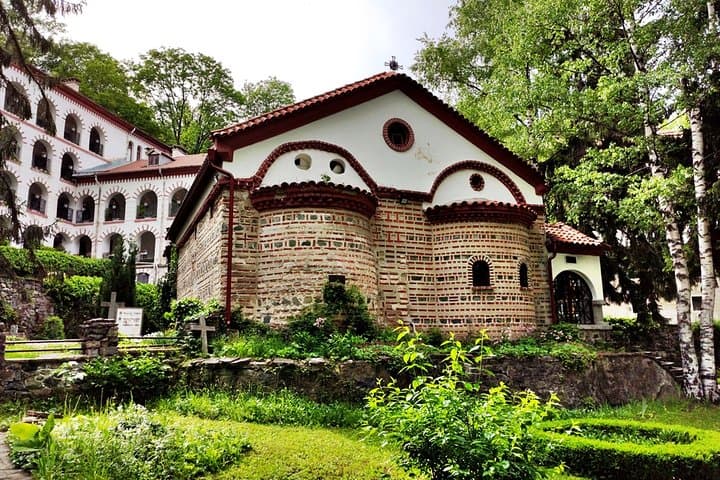
Vitosha is one of Bulgaria’s earliest protected landscapes—Vitosha Nature Park dates to the early 20th century—and its slopes bear traces of grazing and monastic life. Dragalevtsi Monastery, founded in the 14th century, sits at the wooded lower reaches and offers a quiet cultural pause before the terrain opens. Geologically Vitosha is a dome of granite and blockfields; stone rivers and boulder fields punctuate the ridge, channels that have funneled snow and rock for millennia.
Expect 5–7 hours on trail for the standard guided route: roughly 12–16 km round‑trip with about 1,200–1,600 m of elevation gain depending on your start point. Terrain alternates: shady forest tread, steeper rocky switchbacks, and open alpine meadows near the crest. Weather can shift fast; the summit often wears wind like a coat. For private or self‑guided options you’ll get either a local mountain guide or a detailed e‑guide.
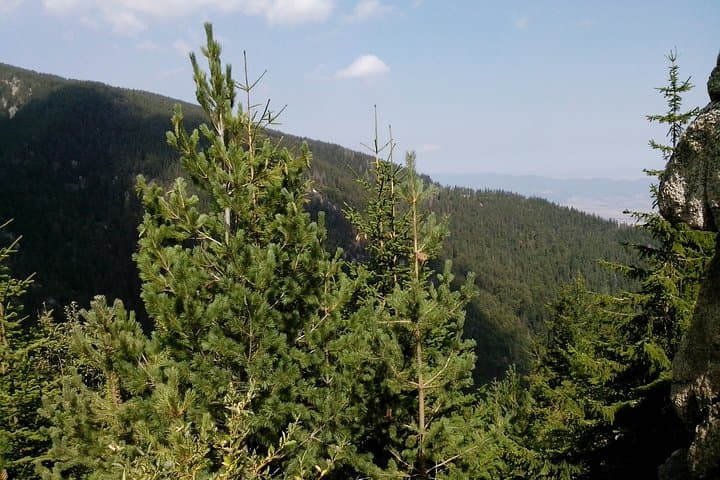
Practical: start early to avoid afternoon wind, carry 2–3 liters of water, and wear sturdy boots; trekking poles ease the steep return. If you go in winter, be prepared for snow and crampons. The route rewards effort with wide panoramas of the Balkan range and the Rila peaks rising beyond — the city at your feet, the mountain pushing you forward.
moderate.
5–7 hours.
Good endurance for steady uphill hiking; regular walkers comfortable with sustained climbs will fare best
Typical guided itineraries are 5–7 hours with around 12–16 km round‑trip and approximately 1,200–1,600 m of elevation gain depending on the chosen start point.
Fit beginners can do the hike with breaks and a guide; children should be steady walkers and accompanied by adults—routes involve sustained uphill sections.
No permit is required inside Vitosha Nature Park for day hiking; a guide is recommended in winter or for those unfamiliar with mountain navigation.
Winter brings snow and ice to higher elevations; crampons, an experienced guide, and winter experience are advised when snow is present.
Dragalevtsi Monastery dates to the 14th century and has served pilgrims and local shepherds for centuries; Vitosha is one of Bulgaria’s earliest protected parks.
Vitosha is protected as a nature park—stay on marked trails, pack out waste, and respect grazing and fragile alpine vegetation to limit erosion.
VisitBulgariaOn Bespoke Experiences operates guided outdoor trips and adventures with an emphasis on safety, stewardship, and memorable experiences.
Morning light tilts over Sofia as you take the road that climbs from the city’s edge into Vitosha’s dome. The pines open onto a path that quickly leans uphill; the mountain doesn’t ask politely — it nudges you. By mid-hike the summit of Cherni Vrah (2,290 m) hangs above like a weathered watchtower, and the city below contracts into a spread of roofs and avenues.
Morning light tilts over Sofia as you take the road that climbs from the city’s edge into Vitosha’s dome. The pines open onto a path that quickly leans uphill; the mountain doesn’t ask politely — it nudges you. By mid-hike the summit of Cherni Vrah (2,290 m) hangs above like a weathered watchtower, and the city below contracts into a spread of roofs and avenues.
Vitosha is one of Bulgaria’s earliest protected landscapes—Vitosha Nature Park dates to the early 20th century—and its slopes bear traces of grazing and monastic life. Dragalevtsi Monastery, founded in the 14th century, sits at the wooded lower reaches and offers a quiet cultural pause before the terrain opens. Geologically Vitosha is a dome of granite and blockfields; stone rivers and boulder fields punctuate the ridge, channels that have funneled snow and rock for millennia.
Expect 5–7 hours on trail for the standard guided route: roughly 12–16 km round‑trip with about 1,200–1,600 m of elevation gain depending on your start point. Terrain alternates: shady forest tread, steeper rocky switchbacks, and open alpine meadows near the crest. Weather can shift fast; the summit often wears wind like a coat. For private or self‑guided options you’ll get either a local mountain guide or a detailed e‑guide.
Practical: start early to avoid afternoon wind, carry 2–3 liters of water, and wear sturdy boots; trekking poles ease the steep return. If you go in winter, be prepared for snow and crampons. The route rewards effort with wide panoramas of the Balkan range and the Rila peaks rising beyond — the city at your feet, the mountain pushing you forward.