THE ADVENTURE COLLECTIVE® · Independent discovery and booking for outdoor travel

Follow a private guide from Scala into the Valle delle Ferriere, a rare subtropical pocket of ferns, waterfalls and mill ruins on the Amalfi Coast. This 3-hour hike mixes citrus terraces and shaded gorge trails with frequent photo stops and a close look at an ancient, fragile ecosystem.
Follow a private guide from Scala into the Valle delle Ferriere, a rare subtropical pocket of ferns, waterfalls and mill ruins on the Amalfi Coast. This 3-hour hike mixes citrus terraces and shaded gorge trails with frequent photo stops and a close look at an ancient, fragile ecosystem.
Moss slicks underfoot, a river that keeps time with the fall line, and the smell of wet limestone — the Valle delle Ferriere opens with the quiet insistence of water reshaping rock.
Verified experiences and guided adventures in the surrounding area.
Operated by Trentaremi · Scala, Campania
Moss slicks underfoot, a river that keeps time with the fall line, and the smell of wet limestone — the Valle delle Ferriere opens with the quiet insistence of water reshaping rock.
Begin in the hill town of Scala and walk through sun-dappled lemon terraces before the canopy tightens and the Canneto river takes over. The reserve preserves a subtropical microclimate where ancient ferns like Woodwardia radicans and other relict plants survive alongside the rippling falls; old paper-mill ruins and ironworks tell of centuries when people worked with the valley’s streams. Geologically, the gorge is carved from Amalfi Coast limestone; frequent springs and shaded rock keep the trail cool and mossy even in summer.
Culturally, this is close-country Amalfi: villagers tend terraces below and shepherding routes cross the ridges, so you’ll see both cultivated and wild landscapes within sight of the sea.
Practically, expect a three-hour guided walk on a mix of stone steps, dirt paths and wet rock near cascades. The typical private route covers roughly 5–7 km round-trip with around 200–300 m of elevation change, but your guide will tailor pace and stops for the group. Wear grippy shoes, carry water, and plan for slippery sections near waterfalls. Photography opportunities are frequent — aim for morning light when pools look glassy and the undergrowth glows. The reserve’s value is fragile: follow your guide, stay on marked trails and leave plants where you find them to keep these rare pockets intact for the next visitor.
moderate.
3 hours.
Requires a moderate level of fitness—comfortable walking on uneven terrain and climbing short stone steps.
The private experience is about 3 hours; expect roughly 5–7 km round-trip with 200–300 m elevation change—moderate difficulty with uneven, sometimes slippery terrain.
Families with older children who are used to trails can do it; younger children or those with limited mobility may find stairs and wet rock challenging—ask about pacing when booking.
Service animals are allowed on this tour; pets beyond service animals should be checked with the operator in advance.
Guided access is common and this product includes a certified hiking guide; no special permit is usually required for casual visits, but the guide helps protect sensitive areas and navigate regulations.
The Valle delle Ferriere is a 455-hectare State Nature Reserve and one of the Council of Europe’s biogenetic reserves; its mills and ironworks reflect centuries of local industry built around the Canneto river.
The valley’s subtropical microclimate supports rare plants—stick to trails, avoid collecting specimens and follow your guide to minimize impact.
Trentaremi operates guided outdoor trips and adventures with an emphasis on safety, stewardship, and memorable experiences.
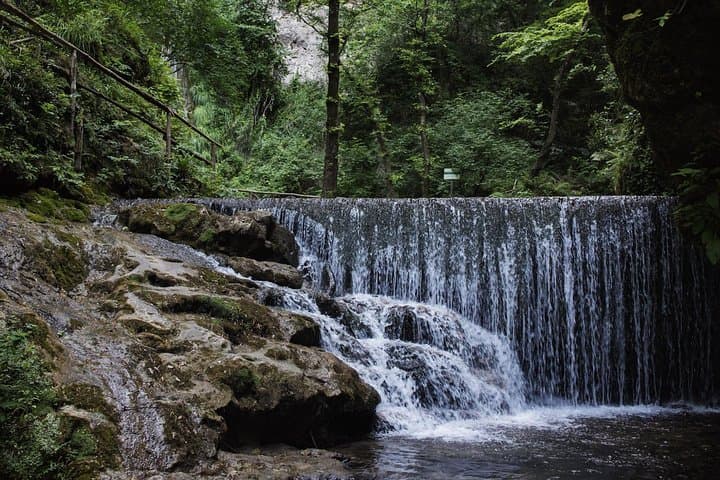
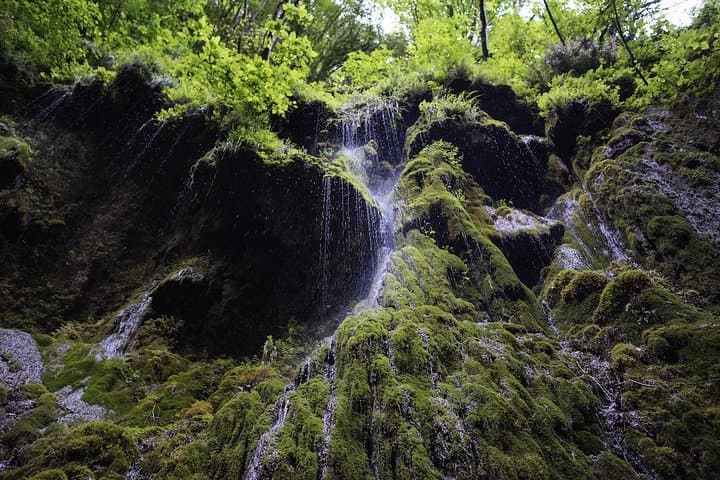
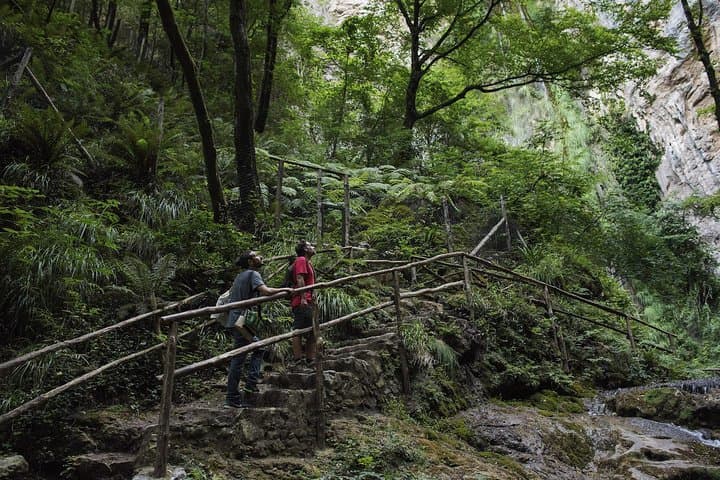
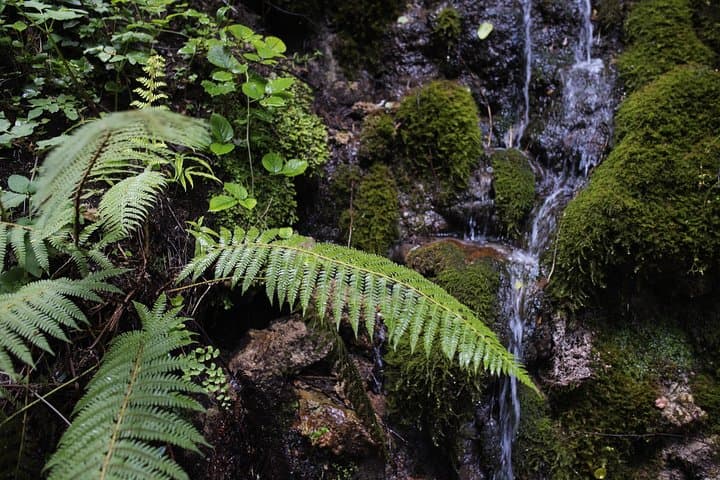
Moss slicks underfoot, a river that keeps time with the fall line, and the smell of wet limestone — the Valle delle Ferriere opens with the quiet insistence of water reshaping rock.
Moss slicks underfoot, a river that keeps time with the fall line, and the smell of wet limestone — the Valle delle Ferriere opens with the quiet insistence of water reshaping rock.
Begin in the hill town of Scala and walk through sun-dappled lemon terraces before the canopy tightens and the Canneto river takes over. The reserve preserves a subtropical microclimate where ancient ferns like Woodwardia radicans and other relict plants survive alongside the rippling falls; old paper-mill ruins and ironworks tell of centuries when people worked with the valley’s streams. Geologically, the gorge is carved from Amalfi Coast limestone; frequent springs and shaded rock keep the trail cool and mossy even in summer.
Culturally, this is close-country Amalfi: villagers tend terraces below and shepherding routes cross the ridges, so you’ll see both cultivated and wild landscapes within sight of the sea.
Practically, expect a three-hour guided walk on a mix of stone steps, dirt paths and wet rock near cascades. The typical private route covers roughly 5–7 km round-trip with around 200–300 m of elevation change, but your guide will tailor pace and stops for the group. Wear grippy shoes, carry water, and plan for slippery sections near waterfalls. Photography opportunities are frequent — aim for morning light when pools look glassy and the undergrowth glows. The reserve’s value is fragile: follow your guide, stay on marked trails and leave plants where you find them to keep these rare pockets intact for the next visitor.