THE ADVENTURE COLLECTIVE® · Independent discovery and booking for outdoor travel

Walk Todgha Gorge with Berber guides for a mix of riverbed hiking, narrow canyon passages, and cultural stops at nomad camps. This guided half- or full-day trek pairs dramatic cliffs with local knowledge—ideal for travelers who want accessible adventure with cultural depth.
Walk Todgha Gorge with Berber guides for a mix of riverbed hiking, narrow canyon passages, and cultural stops at nomad camps. This guided half- or full-day trek pairs dramatic cliffs with local knowledge—ideal for travelers who want accessible adventure with cultural depth.
You step from the palm-fringed road into a corridor of red and ochre rock; the Todra River hums at your feet and the canyon walls rise like folded pages. With a local Berber guide at your side, the trail alternates between shaded riverbed walking and stretches that climb to sunlit ledges, each turn revealing a new angle on the High Atlas.
Verified experiences and guided adventures in the surrounding area.
Operated by DesertTrail Adventures · Tinghir, Drâa-Tafilalet
You step from the palm-fringed road into a corridor of red and ochre rock; the Todra River hums at your feet and the canyon walls rise like folded pages. With a local Berber guide at your side, the trail alternates between shaded riverbed walking and stretches that climb to sunlit ledges, each turn revealing a new angle on the High Atlas.
Geologically, Todgha Gorge is a carved limestone and sandstone cleft, shaped by seasonal floods that cut deep, sheer walls. The valley has been a crossroads for Amazigh (Berber) communities for centuries—you’ll pass ruined kasbahs, irrigated date palm groves, and camps where nomadic families still serve mint tea. Guides here are both interpreters and storytellers; they read the land, point out old caravan lines and explain irrigation (khettara) techniques that sustain oasis agriculture.
Expect varied terrain: flat riverbed walking, rocky ramps, and a final 600-meter narrow slot with towering cliffs—suitable for most hikers but requiring sure footing. Wildlife can be sparse but dramatic: raptors may wheel above and shy mountain ungulates watch from ledges. Cultural exchange is part of the route—tea in a nomad camp is common and a good chance to practice a few Berber phrases.
Practical guidance: bring sturdy, grippy shoes, sun protection, and 1–2 liters of water; mornings are coolest and light is best for photos. Local guides handle logistics and can tailor half-day, full-day, or multi-day itineraries; tipping and respectful dress are appreciated in the villages. With simple preparation, Todgha delivers striking scenery and a direct connection to Atlas life.
moderate.
3–5 hours.
Suitable for people with a basic level of fitness who can walk on uneven terrain for several hours and handle short, steeper sections.
Options include half-day (about 3 hours), full-day (about 5 hours), or multi-day routes; most guided walks in Todgha last 3–5 hours depending on chosen path.
No technical climbing skills are required—routes follow trails and riverbeds, though surefootedness and basic stamina are recommended.
Local guides can usually accommodate dietary requests for snacks and tea; mobility limitations should be discussed at booking as some sections are uneven and not wheelchair-accessible.
River water is not recommended without treatment—use bottled or filtered water provided by guides or carry your own.
Todra Gorge formed over millennia as seasonal floods incised limestone and sandstone; the valley later became a corridor for Amazigh communities and caravan routes, evidenced by kasbah ruins and ancient irrigation systems.
Tourism strains local water resources and fragile canyon habitats—stick to paths, avoid littering, and book locally to support community-based stewardship.
DesertTrail Adventures operates guided outdoor trips and adventures with an emphasis on safety, stewardship, and memorable experiences.
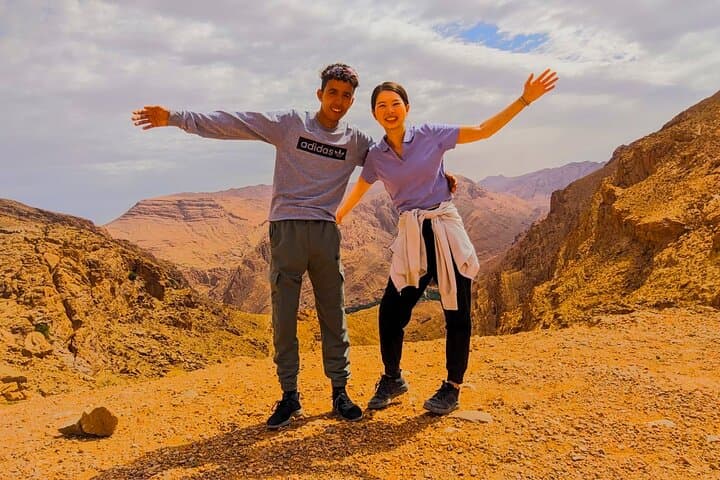
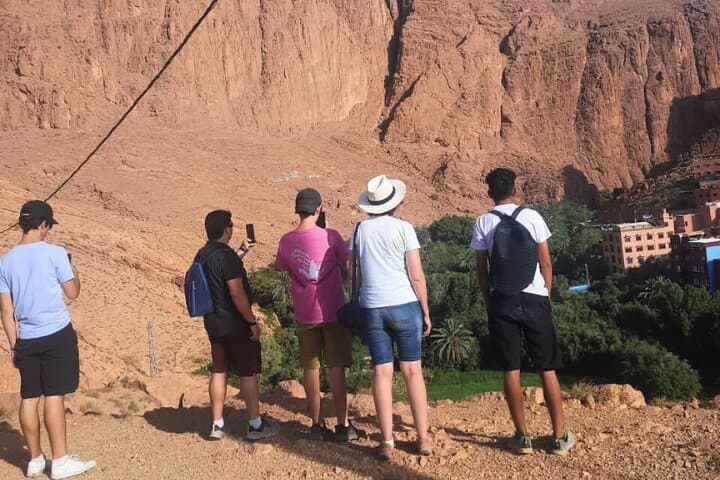
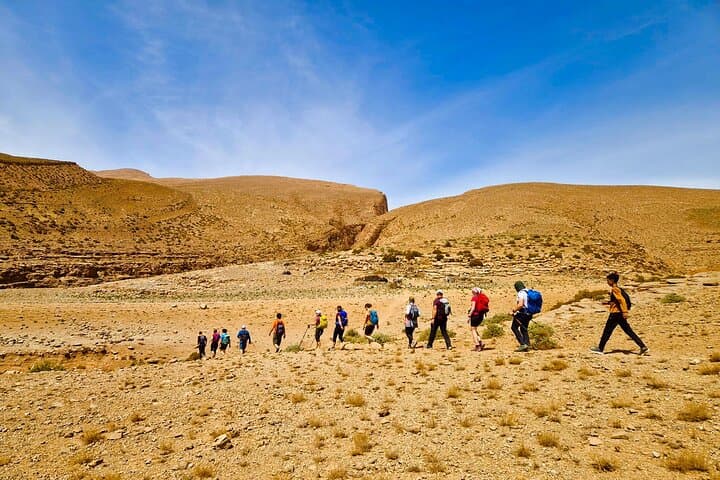
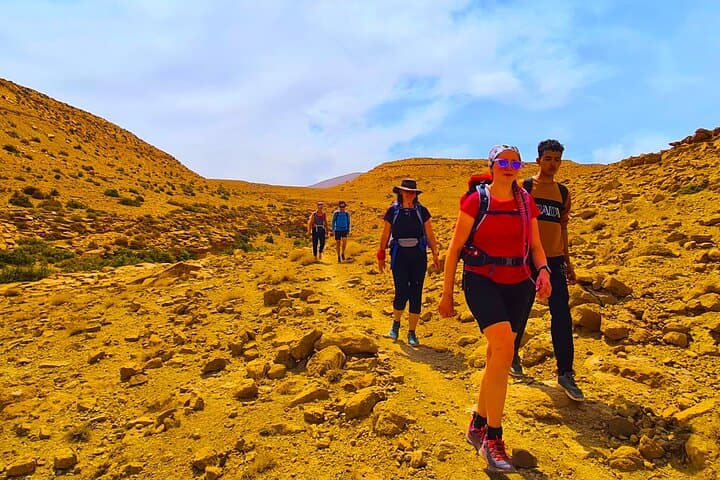
You step from the palm-fringed road into a corridor of red and ochre rock; the Todra River hums at your feet and the canyon walls rise like folded pages. With a local Berber guide at your side, the trail alternates between shaded riverbed walking and stretches that climb to sunlit ledges, each turn revealing a new angle on the High Atlas.
You step from the palm-fringed road into a corridor of red and ochre rock; the Todra River hums at your feet and the canyon walls rise like folded pages. With a local Berber guide at your side, the trail alternates between shaded riverbed walking and stretches that climb to sunlit ledges, each turn revealing a new angle on the High Atlas.
Geologically, Todgha Gorge is a carved limestone and sandstone cleft, shaped by seasonal floods that cut deep, sheer walls. The valley has been a crossroads for Amazigh (Berber) communities for centuries—you’ll pass ruined kasbahs, irrigated date palm groves, and camps where nomadic families still serve mint tea. Guides here are both interpreters and storytellers; they read the land, point out old caravan lines and explain irrigation (khettara) techniques that sustain oasis agriculture.
Expect varied terrain: flat riverbed walking, rocky ramps, and a final 600-meter narrow slot with towering cliffs—suitable for most hikers but requiring sure footing. Wildlife can be sparse but dramatic: raptors may wheel above and shy mountain ungulates watch from ledges. Cultural exchange is part of the route—tea in a nomad camp is common and a good chance to practice a few Berber phrases.
Practical guidance: bring sturdy, grippy shoes, sun protection, and 1–2 liters of water; mornings are coolest and light is best for photos. Local guides handle logistics and can tailor half-day, full-day, or multi-day itineraries; tipping and respectful dress are appreciated in the villages. With simple preparation, Todgha delivers striking scenery and a direct connection to Atlas life.