THE ADVENTURE COLLECTIVE® · Independent discovery and booking for outdoor travel

Leave Cusco before dawn for a demanding full-day hike to Waqrapukara, a horn-shaped Inca watchtower at 4,300 m. Expect steep puna trails, striking stone architecture and panoramic Andean views—ideal for acclimatized hikers seeking history and high-country scenery.
Leave Cusco before dawn for a demanding full-day hike to Waqrapukara, a horn-shaped Inca watchtower at 4,300 m. Expect steep puna trails, striking stone architecture and panoramic Andean views—ideal for acclimatized hikers seeking history and high-country scenery.
Morning air in the high Andes is thin and clear; by 4:30 a.m. a private vehicle pulls out of Cusco under a sky still edged with stars. The road south slices through puna grasslands and Andean foothills, pausing at Pomacanchi lagoon and a small village breakfast before depositing you at Rinconada, where a steep trail begins.
Verified experiences and guided adventures in the surrounding area.
Operated by Amaru Explorer Peru · Cusco, Cusco Region
Morning air in the high Andes is thin and clear; by 4:30 a.m. a private vehicle pulls out of Cusco under a sky still edged with stars. The road south slices through puna grasslands and Andean foothills, pausing at Pomacanchi lagoon and a small village breakfast before depositing you at Rinconada, where a steep trail begins.
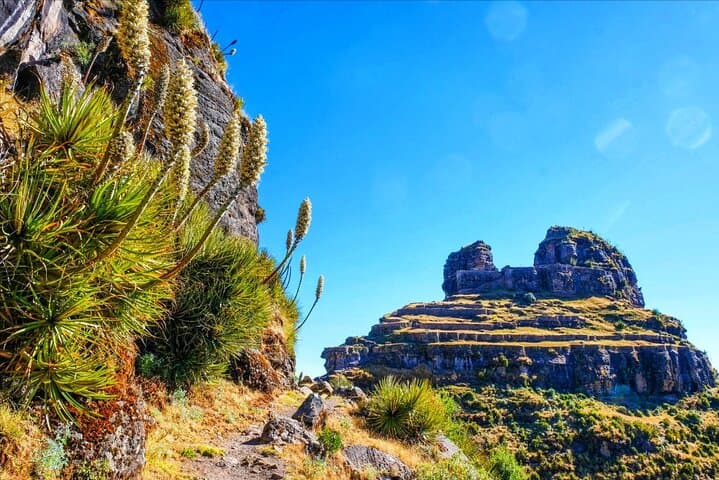
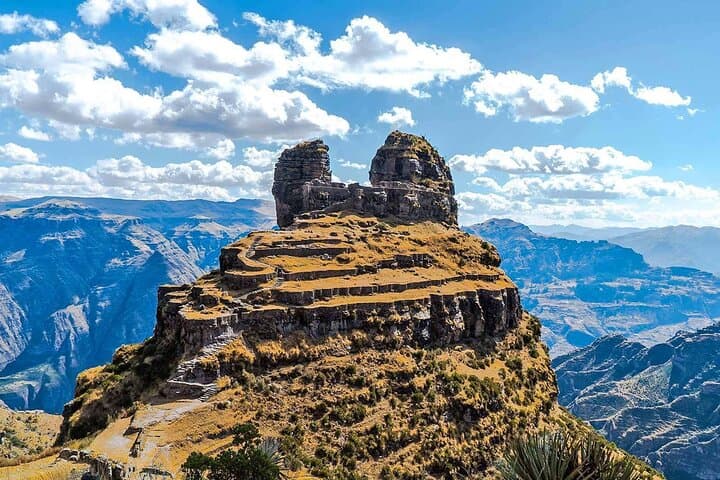
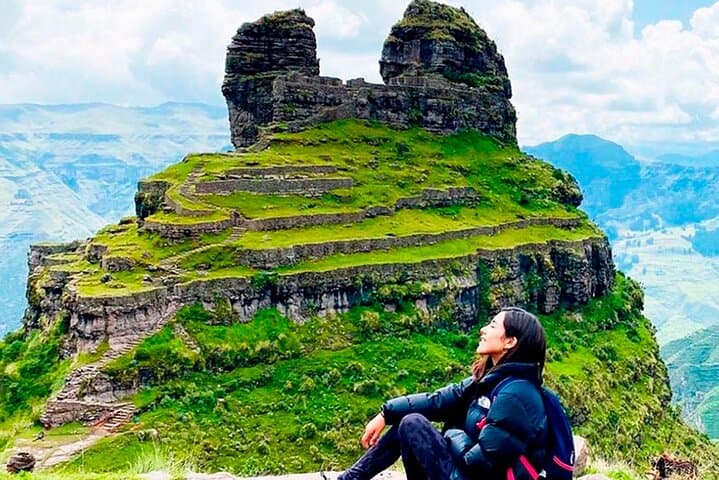
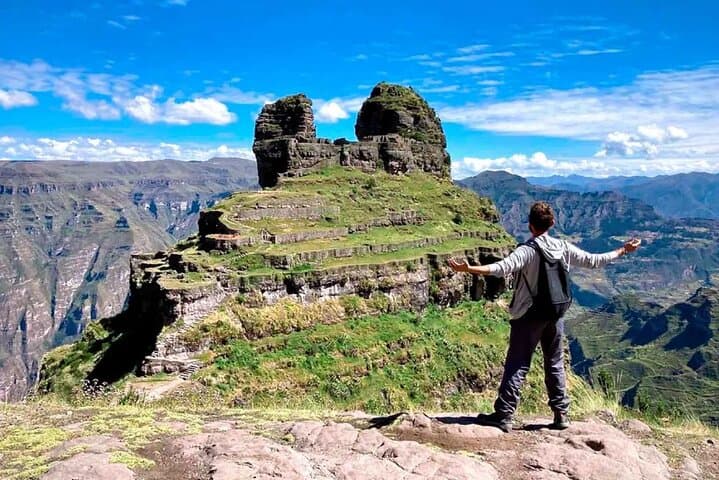
Waqrapukara—"horn watchtower" in Quechua—sits at roughly 4,300 m, an imposing Inca-era military and ceremonial complex carved into a rocky ridge. Stone terraces, defensive towers and a sun-facing Intipunku (door of the sun) reveal a site shaped by strategic vistas and the hard volcanic geology of the region. Look for faint red ochre cave paintings and serpentine terraces that reflect centuries of human use in a wind-swept landscape.
The hike itself is a steady climb: expect 2–3 hours of ascending over rocky, sometimes loose terrain, gaining roughly 800–1,000 m from valley start points. Vegetation is puna—tough grasses, cushion plants and scattered shrubs—with wide views of surrounding peaks and the Pomacanchi basin below.
Practical notes: acclimatize in Cusco for at least 48 hours, carry layered clothing, sun protection and 2–3 liters of water. The operator supplies breakfast, lunch, oxygen assistance and walking sticks; still, strong boots and high-altitude experience make the day easier. Start early to avoid afternoon winds and to enjoy the site in quieter light. This is a full-day, high-altitude outing that rewards patience: stone steps lead to perspectives that insist you pause and look across the Andes.
moderate.
12–13 hours (full day).
Good aerobic fitness and prior high-altitude exposure recommended; able to ascend steadily for 2–3 hours.
The trail is a steady, steep uphill of roughly 2–3 hours to the site; it’s moderate in technical difficulty but challenging because of altitude.
No—guides may have oxygen assistance if needed, but you should spend at least 48 hours in Cusco to acclimatize before the excursion.
The typical private tour includes hotel pickup, private transport, breakfast, lunch, entrance to the site, walking sticks and oxygen assistance if required.
Those with good fitness who tolerate high altitude can join, but the tour operator advises moderate fitness and recommends consulting a physician for pre-existing conditions.
Waqrapukara served as a strategic Inca watchtower and ceremonial center, occupying a ridge that controlled approaches across the high valleys.
The puna is fragile—stick to trails, pack out waste and support local guides to minimize erosion and preserve archaeological fabric.
Amaru Explorer Peru operates guided outdoor trips and adventures with an emphasis on safety, stewardship, and memorable experiences.
Morning air in the high Andes is thin and clear; by 4:30 a.m. a private vehicle pulls out of Cusco under a sky still edged with stars. The road south slices through puna grasslands and Andean foothills, pausing at Pomacanchi lagoon and a small village breakfast before depositing you at Rinconada, where a steep trail begins.
Morning air in the high Andes is thin and clear; by 4:30 a.m. a private vehicle pulls out of Cusco under a sky still edged with stars. The road south slices through puna grasslands and Andean foothills, pausing at Pomacanchi lagoon and a small village breakfast before depositing you at Rinconada, where a steep trail begins.
Waqrapukara—"horn watchtower" in Quechua—sits at roughly 4,300 m, an imposing Inca-era military and ceremonial complex carved into a rocky ridge. Stone terraces, defensive towers and a sun-facing Intipunku (door of the sun) reveal a site shaped by strategic vistas and the hard volcanic geology of the region. Look for faint red ochre cave paintings and serpentine terraces that reflect centuries of human use in a wind-swept landscape.
The hike itself is a steady climb: expect 2–3 hours of ascending over rocky, sometimes loose terrain, gaining roughly 800–1,000 m from valley start points. Vegetation is puna—tough grasses, cushion plants and scattered shrubs—with wide views of surrounding peaks and the Pomacanchi basin below.
Practical notes: acclimatize in Cusco for at least 48 hours, carry layered clothing, sun protection and 2–3 liters of water. The operator supplies breakfast, lunch, oxygen assistance and walking sticks; still, strong boots and high-altitude experience make the day easier. Start early to avoid afternoon winds and to enjoy the site in quieter light. This is a full-day, high-altitude outing that rewards patience: stone steps lead to perspectives that insist you pause and look across the Andes.