THE ADVENTURE COLLECTIVE® · Independent discovery and booking for outdoor travel

A high‑altitude day trek to Vinicunca (Rainbow Mountain) offers a short but steep ascent to 5,036 m and a geology-driven spectacle of colored strata. This guided full‑day tour from Cusco combines cultural stops, breakfast, and a buffet lunch with private transport.
A high‑altitude day trek to Vinicunca (Rainbow Mountain) offers a short but steep ascent to 5,036 m and a geology-driven spectacle of colored strata. This guided full‑day tour from Cusco combines cultural stops, breakfast, and a buffet lunch with private transport.
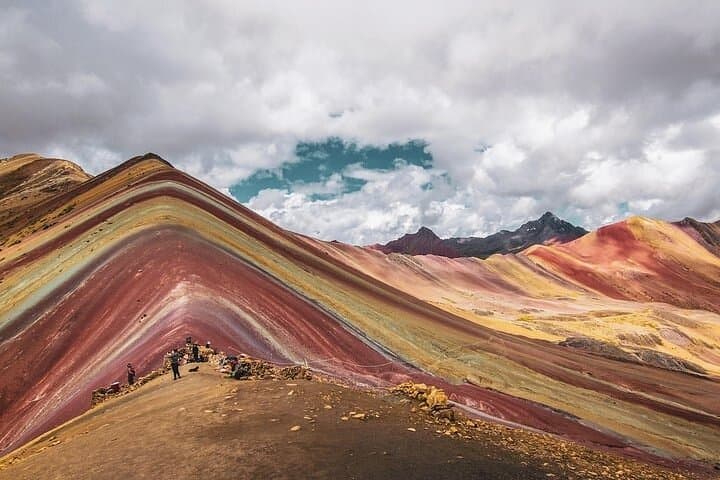
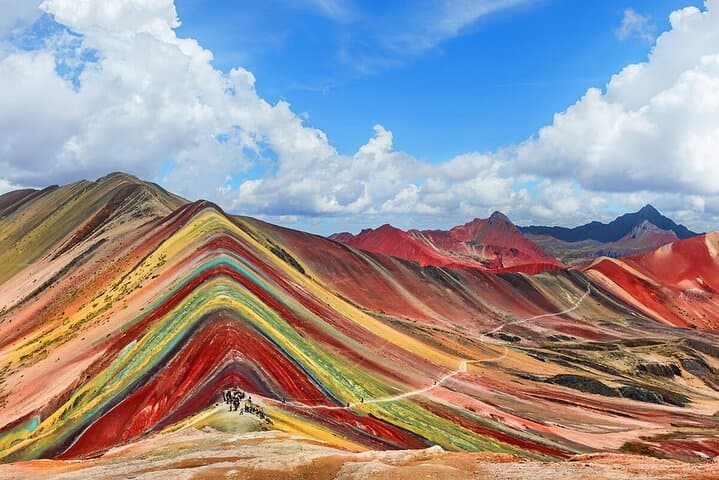
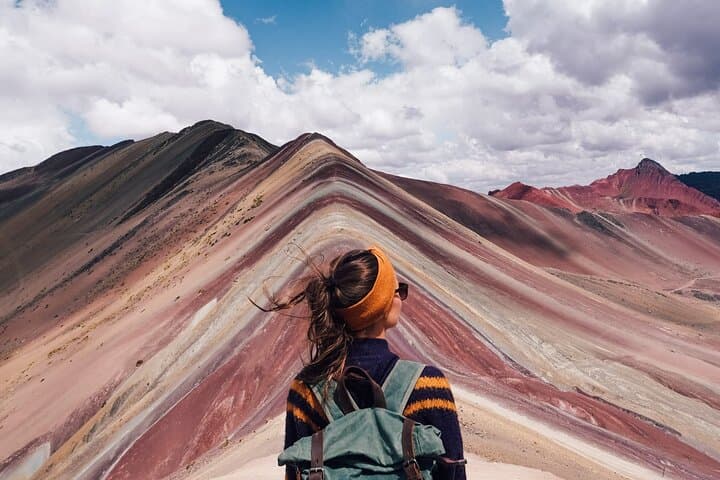
You step out of the minivan into thin air and a sweep of mineral-colored ridges that seem to challenge you to climb. The track from Phulawasipata rises quickly: talus underfoot, wind that pushes at your shoulders, and a skyline where stripes of ochre, rose and turquoise look almost deliberate. At 5,036 meters, Vinicunca—or Rainbow Mountain—rewards effort with a panorama that feels like geology on display.
Verified experiences and guided adventures in the surrounding area.
Operated by Machu Picchu Expeditions · Pitumarca, Cusco Region
You step out of the minivan into thin air and a sweep of mineral-colored ridges that seem to challenge you to climb. The track from Phulawasipata rises quickly: talus underfoot, wind that pushes at your shoulders, and a skyline where stripes of ochre, rose and turquoise look almost deliberate. At 5,036 meters, Vinicunca—or Rainbow Mountain—rewards effort with a panorama that feels like geology on display.
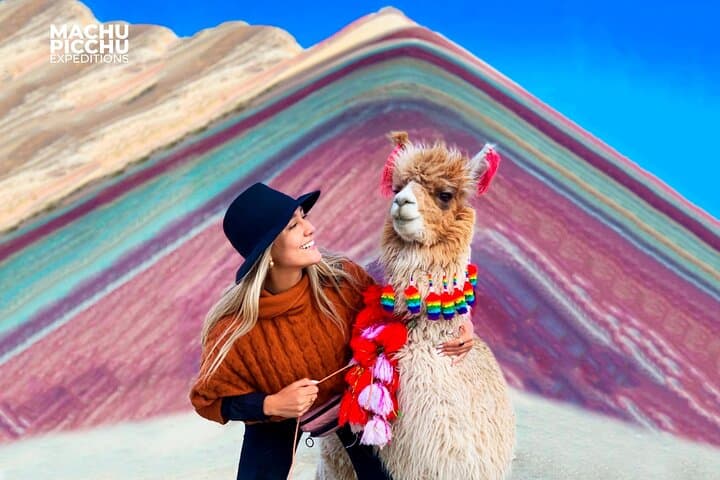
This sloping banding is the result of uplifted sedimentary layers altered by oxidation and mineral deposits: iron for reds, sulfur for yellows, and clays and quartz creating whites and lavenders. The route passes Quechua-speaking communities where pastoral life endures; llamas and alpaca graze on high puna grass while local guides share stories about land stewardship and the Andean uplift that made these colors possible.
Expect an approximately 2‑hour bus ride from Cusco to the trailhead, then 1h45–2h of steady ascent with roughly 400–600 meters of elevation gain depending on the starting point. Terrain is high‑altitude, compacted dirt with sections of loose scree; weather can flip from bright sun to biting wind in minutes. Plan for slow, steady pacing and short rests—oxygen assistance is sometimes available through operators, but acclimatization is the key.
Practical tips: wear stiff-soled hiking boots, layer for intense sun and sudden cold, bring 2–3 liters of water and high-calorie snacks, and allow at least one full day in Cusco to acclimate beforehand. The trail is non-technical but demanding; treat the landscape with respect, stick to paths, and support local services that maintain access.
challenging.
8 hours (full day including transfers).
Good aerobic fitness; able to walk uphill for 2 hours at high altitude. Prior acclimatization recommended.
The path is non-technical but demanding due to altitude and steep sections; expect 1h45–2h ascent with 400–600 m of gain—good aerobic fitness and acclimatization are important.
Most full-day options include hotel pickup, breakfast, private transport to the trailhead, a bilingual guide, lunch, and sometimes walking sticks or oxygen assistance if needed.
Yes—symptoms like headache, nausea and breathlessness are possible; acclimatize in Cusco for 24–48 hours, hydrate, eat lightly, and descend if symptoms worsen.
The dry season from May to September offers clearer skies and firmer trails; rainy months (Dec–Mar) make access difficult and colors subdued by cloud.
These slopes are part of the Vilcanota range and sit on sedimentary layers uplifted by the Andean orogeny; nearby communities maintain Quechua traditions tied to pastoral life.
Heavy visitation has accelerated trail erosion and litter; stick to designated paths, hire local guides, and favor operators that contribute to community conservation efforts.
Machu Picchu Expeditions operates guided outdoor trips and adventures with an emphasis on safety, stewardship, and memorable experiences.
You step out of the minivan into thin air and a sweep of mineral-colored ridges that seem to challenge you to climb. The track from Phulawasipata rises quickly: talus underfoot, wind that pushes at your shoulders, and a skyline where stripes of ochre, rose and turquoise look almost deliberate. At 5,036 meters, Vinicunca—or Rainbow Mountain—rewards effort with a panorama that feels like geology on display.
You step out of the minivan into thin air and a sweep of mineral-colored ridges that seem to challenge you to climb. The track from Phulawasipata rises quickly: talus underfoot, wind that pushes at your shoulders, and a skyline where stripes of ochre, rose and turquoise look almost deliberate. At 5,036 meters, Vinicunca—or Rainbow Mountain—rewards effort with a panorama that feels like geology on display.
This sloping banding is the result of uplifted sedimentary layers altered by oxidation and mineral deposits: iron for reds, sulfur for yellows, and clays and quartz creating whites and lavenders. The route passes Quechua-speaking communities where pastoral life endures; llamas and alpaca graze on high puna grass while local guides share stories about land stewardship and the Andean uplift that made these colors possible.
Expect an approximately 2‑hour bus ride from Cusco to the trailhead, then 1h45–2h of steady ascent with roughly 400–600 meters of elevation gain depending on the starting point. Terrain is high‑altitude, compacted dirt with sections of loose scree; weather can flip from bright sun to biting wind in minutes. Plan for slow, steady pacing and short rests—oxygen assistance is sometimes available through operators, but acclimatization is the key.
Practical tips: wear stiff-soled hiking boots, layer for intense sun and sudden cold, bring 2–3 liters of water and high-calorie snacks, and allow at least one full day in Cusco to acclimate beforehand. The trail is non-technical but demanding; treat the landscape with respect, stick to paths, and support local services that maintain access.