
Hike to Tjuvtrappa (Thief-stairs) — Mo i Rana Guided Hike to 400 m Viewpoint
Climb an old mountain track above Selfors to reach Tjuvtrappa — a natural, stair-like rise with sweeping views over Mo i Rana. This guided 3–4 hour hike mixes local history, geology, and manageable, steep terrain for hikers with moderate fitness.
An Adventure In Mo i Rana.
Climb an old mountain track above Selfors to reach Tjuvtrappa — a natural, stair-like rise with sweeping views over Mo i Rana. This guided 3–4 hour hike mixes local history, geology, and manageable, steep terrain for hikers with moderate fitness.
Read the full experience
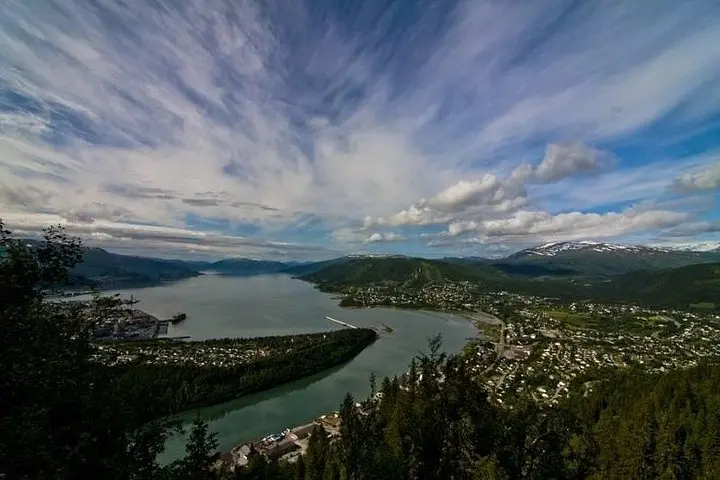
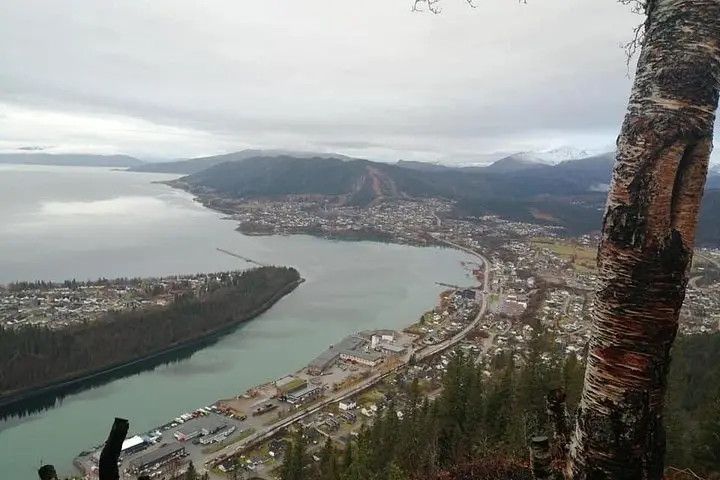
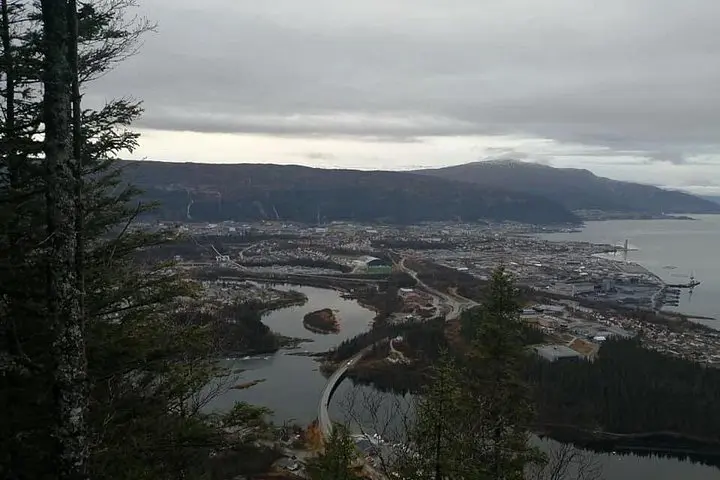
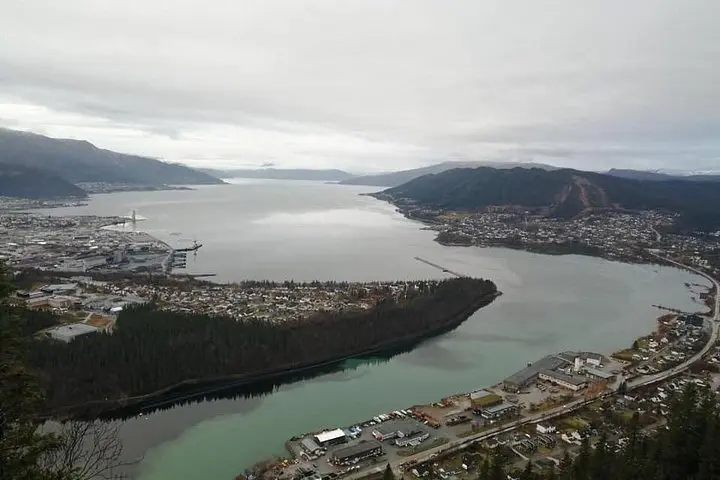
Fog lifts off the Ranelva as you leave the road at Brennsletta and begin the old path that climbs toward the lip of Loftfjell’s lower slopes. The route steepens in short, stair-like tiers of bedrock and scrub; pine trees thin, and the city’s roofs open below like a careful map. At roughly 400 metres above sea level the trail reaches the so-called Tjuvtrappa — not a staircase but a natural series of rises that earned its name from a local legend about a woman and a stolen cow.
Fog lifts off the Ranelva as you leave the road at Brennsletta and begin the old path that climbs toward the lip of Loftfjell’s lower slopes. The route steepens in short, stair-like tiers of bedrock and scrub; pine trees thin, and the city’s roofs open below like a careful map. At roughly 400 metres above sea level the trail reaches the so-called Tjuvtrappa — not a staircase but a natural series of rises that earned its name from a local legend about a woman and a stolen cow.
This is terrain shaped by glacial scraping and volcanic bedrock, where short, steep climbs give way to lichen-scattered ledges and wide northern light. The area has been settled intermittently for centuries, with farming families using the lower slopes and summer pastures. Guides often pause to tell stories tied to Loftfjellgården and to point out Selfors and the industrial history of Mo i Rana across the valley.
Practically, expect a firm 3–4 hour outing with steady uphill and a similar descent; the operator provides maps and can arrange hotel pickup. Weather can change quickly — plan layers, waterproof gear, and good footwear. Drinks and a simple lunch or takeaway coffee by the fire add comfort if conditions allow. For hikers who enjoy short technical sections without ropes, Tjuvtrappa is a compact taste of Arctic Norway’s terrain and perspectives, where city and mountain meet on a manageable, rewarding route.
Frequently asked questions
The guided outing is about 3–4 hours round trip with roughly 400 metres of elevation to the viewpoint; terrain is steep in places but not technical.
Yes — the operator can pick up guests from hotels or meet at Brennsletta in Selfors; confirm pickup when booking.
Guides may make coffee by a small fire when local conditions and fire regulations permit; always follow the guide’s instructions about open flames.
Not recommended for those with significant spinal, cardiovascular, or pregnancy restrictions; children who hike regularly may manage with supervision.
About This Experience
ExploRana AS operates guided outdoor trips and adventures with an emphasis on safety, stewardship, and memorable experiences.
Adventure tips
Recommended gear
- Waterproof breathable jacket: Protects from sudden rain and wind common on exposed slopes.
- Sturdy hiking boots: Provides traction and ankle support on rocky, stair-like terrain.
- Insulating mid-layer: Keeps you warm during stops and when the wind increases at higher elevation.
- 1–1.5 L water bottle or hydration pack: Ensures adequate hydration for the 3–4 hour round trip.
Photos of the experience
Related adventures & guides
Read the full experience
Fog lifts off the Ranelva as you leave the road at Brennsletta and begin the old path that climbs toward the lip of Loftfjell’s lower slopes. The route steepens in short, stair-like tiers of bedrock and scrub; pine trees thin, and the city’s roofs open below like a careful map. At roughly 400 metres above sea level the trail reaches the so-called Tjuvtrappa — not a staircase but a natural series of rises that earned its name from a local legend about a woman and a stolen cow.
Fog lifts off the Ranelva as you leave the road at Brennsletta and begin the old path that climbs toward the lip of Loftfjell’s lower slopes. The route steepens in short, stair-like tiers of bedrock and scrub; pine trees thin, and the city’s roofs open below like a careful map. At roughly 400 metres above sea level the trail reaches the so-called Tjuvtrappa — not a staircase but a natural series of rises that earned its name from a local legend about a woman and a stolen cow.
This is terrain shaped by glacial scraping and volcanic bedrock, where short, steep climbs give way to lichen-scattered ledges and wide northern light. The area has been settled intermittently for centuries, with farming families using the lower slopes and summer pastures. Guides often pause to tell stories tied to Loftfjellgården and to point out Selfors and the industrial history of Mo i Rana across the valley.
Practically, expect a firm 3–4 hour outing with steady uphill and a similar descent; the operator provides maps and can arrange hotel pickup. Weather can change quickly — plan layers, waterproof gear, and good footwear. Drinks and a simple lunch or takeaway coffee by the fire add comfort if conditions allow. For hikers who enjoy short technical sections without ropes, Tjuvtrappa is a compact taste of Arctic Norway’s terrain and perspectives, where city and mountain meet on a manageable, rewarding route.
Make a day of it nearby.
Verified experiences and guided adventures in the surrounding area.