THE ADVENTURE COLLECTIVE® · Independent discovery and booking for outdoor travel

Climb through tea terraces to a solitary summit tree and watch first light spill across Nuwara Eliya and the Haggala range. This accessible 4–6 hour trek offers panoramic views, local village encounters, and a crisp highland sunrise.
Climb through tea terraces to a solitary summit tree and watch first light spill across Nuwara Eliya and the Haggala range. This accessible 4–6 hour trek offers panoramic views, local village encounters, and a crisp highland sunrise.
Dawn arrives cool and thin at the top of Single Tree Hill, and the lone tree that gives this peak its name stands like a silhouette against a widening wash of gold. As you climb through terraces of clipped tea bushes, the air tightens with steam and the valley below begins to stir—church bells, the distant clatter of a town waking, and the slow bloom of light over Gregory Lake.
Verified experiences and guided adventures in the surrounding area.
Operated by Overa Tours · Nuwara Eliya, Central Province
Dawn arrives cool and thin at the top of Single Tree Hill, and the lone tree that gives this peak its name stands like a silhouette against a widening wash of gold. As you climb through terraces of clipped tea bushes, the air tightens with steam and the valley below begins to stir—church bells, the distant clatter of a town waking, and the slow bloom of light over Gregory Lake.
Geologically the ridge is part of Sri Lanka’s central highlands, a remnant of uplifted Precambrian rock sculpted by erosion, its slopes now shaped by tea cultivation that dates to the British colonial period. From this seventh-highest summit you get direct sightlines to Pidurutalagala, Haggala, and the northward slice of Horton Plains—views that make the steep climb pay off.
Culturally, the route threads small villages where local laborers tend tea and children wave; your guide can point out plantation practices and discuss how tea shaped the region’s economy and landscape.
Practical guidance: the ascent to the lone tree takes about 60–90 minutes over uneven, sometimes muddy trails with short steep sections. Start early for sunrise light and cooler temperatures, carry 1–2 liters of water, and expect a mix of packed soil and grassy tracks. A backup vehicle is often available on organized hikes, but shoes with good grip and layered clothing are essential—weather can shift quickly at 2,100 meters elevation. Respect private plantation land, stick to the path shown by your guide, and budget extra time for photography at the summit; the panorama rewards those who wait for shifting light.
moderate.
4–6 hours.
Participants should have good cardiovascular fitness and be comfortable on sustained uphill sections and uneven terrain.
The uphill section to the lone tree typically takes 60–90 minutes; the full tour, including transfers and lunch, runs about 4–6 hours.
It’s accessible to fit beginners who are comfortable with continuous uphill walking; those with limited mobility or heart conditions should avoid it.
Guides are provided on organized tours and are recommended for navigation and local insight; permits are not generally required for this plantation route when on a guided hike.
Temperatures are cooler than the lowlands and conditions can shift from clear to misty or rainy—layers and a rain shell are advised.
Tea planting in Nuwara Eliya began under British colonial administration in the 19th century, reshaping highland ecology and local settlement patterns; Single Tree Hill sits amid these historic plantations.
Stay on designated paths to avoid trampling regenerating vegetation; support local guides who follow low-impact practices and respect private estate boundaries.
Overa Tours operates guided outdoor trips and adventures with an emphasis on safety, stewardship, and memorable experiences.
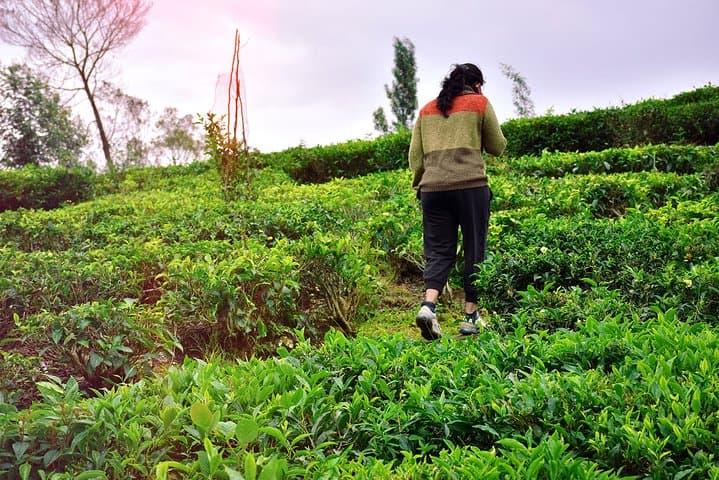
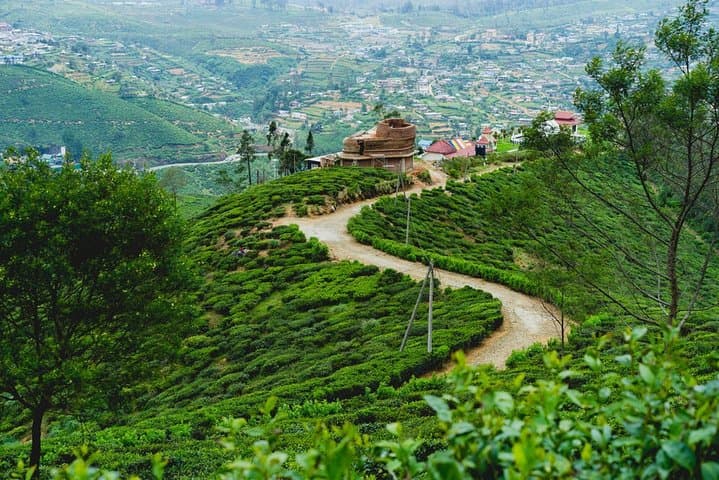
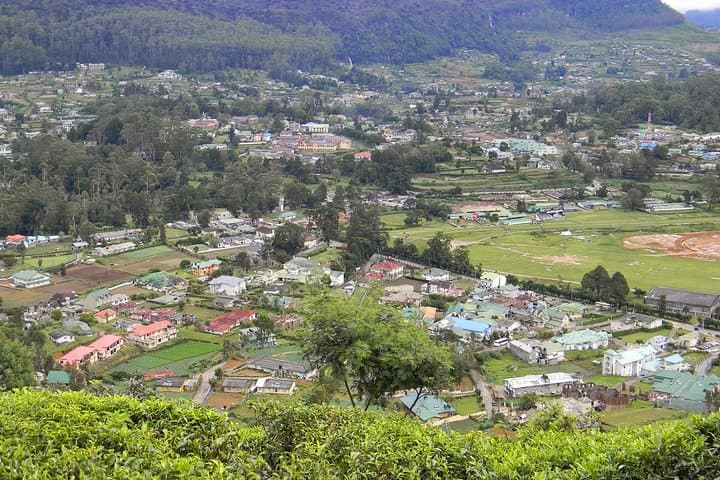
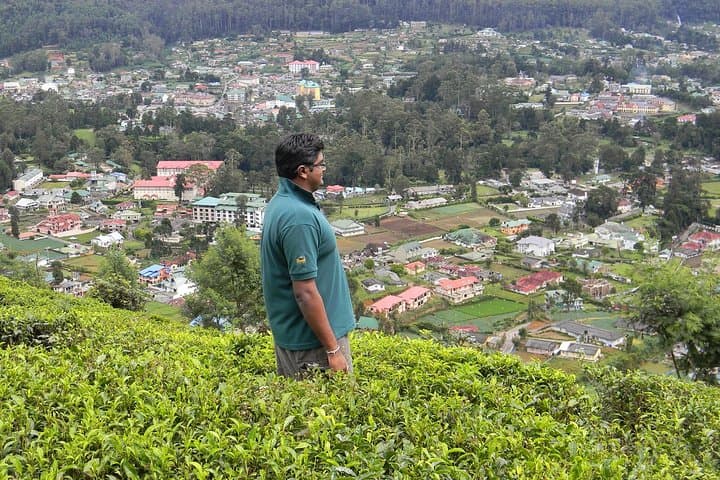
Dawn arrives cool and thin at the top of Single Tree Hill, and the lone tree that gives this peak its name stands like a silhouette against a widening wash of gold. As you climb through terraces of clipped tea bushes, the air tightens with steam and the valley below begins to stir—church bells, the distant clatter of a town waking, and the slow bloom of light over Gregory Lake.
Dawn arrives cool and thin at the top of Single Tree Hill, and the lone tree that gives this peak its name stands like a silhouette against a widening wash of gold. As you climb through terraces of clipped tea bushes, the air tightens with steam and the valley below begins to stir—church bells, the distant clatter of a town waking, and the slow bloom of light over Gregory Lake.
Geologically the ridge is part of Sri Lanka’s central highlands, a remnant of uplifted Precambrian rock sculpted by erosion, its slopes now shaped by tea cultivation that dates to the British colonial period. From this seventh-highest summit you get direct sightlines to Pidurutalagala, Haggala, and the northward slice of Horton Plains—views that make the steep climb pay off.
Culturally, the route threads small villages where local laborers tend tea and children wave; your guide can point out plantation practices and discuss how tea shaped the region’s economy and landscape.
Practical guidance: the ascent to the lone tree takes about 60–90 minutes over uneven, sometimes muddy trails with short steep sections. Start early for sunrise light and cooler temperatures, carry 1–2 liters of water, and expect a mix of packed soil and grassy tracks. A backup vehicle is often available on organized hikes, but shoes with good grip and layered clothing are essential—weather can shift quickly at 2,100 meters elevation. Respect private plantation land, stick to the path shown by your guide, and budget extra time for photography at the summit; the panorama rewards those who wait for shifting light.