THE ADVENTURE COLLECTIVE® · Independent discovery and booking for outdoor travel

A guided, private day hike to Pacaya Volcano from Antigua offers dramatic views of active lava flows, close-up geothermal features and a manageable climb on volcanic scree. Expect 2–3 hours of hiking with local-guide narration and the chance to warm a marshmallow on hot rock.
A guided, private day hike to Pacaya Volcano from Antigua offers dramatic views of active lava flows, close-up geothermal features and a manageable climb on volcanic scree. Expect 2–3 hours of hiking with local-guide narration and the chance to warm a marshmallow on hot rock.
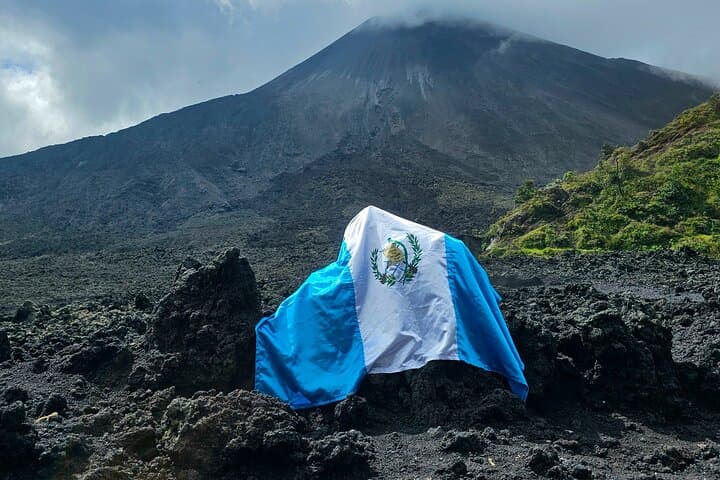
You step off the van into a wind that smells faintly of sulfur and history, the ground beneath you a mosaic of dark, aged lava and sharp pumice. Guides gather packs and smiles, and the trail heads upward through scrub and wind-swept slopes toward Pacaya’s active vents.
Verified experiences and guided adventures in the surrounding area.
Operated by GUATEMAYA TOURS · Antigua Guatemala, Sacatepéquez
You step off the van into a wind that smells faintly of sulfur and history, the ground beneath you a mosaic of dark, aged lava and sharp pumice. Guides gather packs and smiles, and the trail heads upward through scrub and wind-swept slopes toward Pacaya’s active vents.
Pacaya is one of Guatemala’s most accessible active volcanoes — part of the Central American Volcanic Arc — and its recent flows are visible as fresh black ribbons cutting across older terraces. From the trail you’ll see Agua, Fuego and Acatenango looming like a line of watchful giants; Fuego occasionally puffs ash while Acatenango holds the long, glaciated ridge. Indigenous communities have lived on these slopes for generations and local guides often share stories about the volcano’s role in agriculture and daily life.
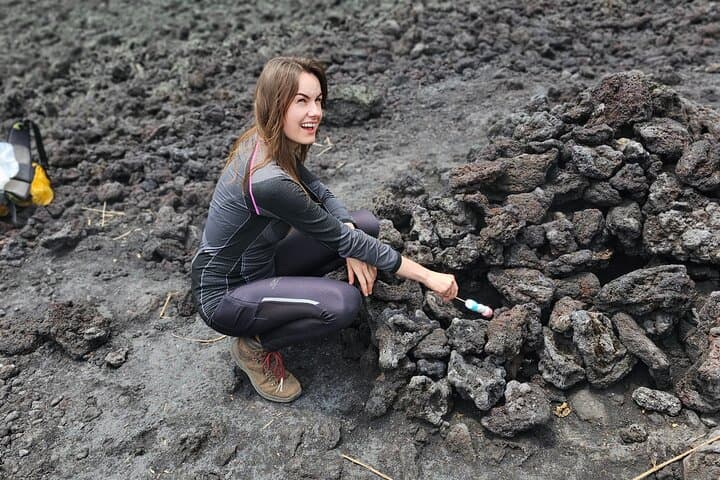
The hike itself is pragmatic: expect roughly 4–6 km round-trip with about 300–500 m of elevation gain, 2–3 hours of walking on mixed volcanic scree, packed dirt and solidified lava. Sections are steep and loose; at the geothermal zone you’ll feel heat beneath your boots and can safely warm or roast a marshmallow on hot rocks under guide supervision.
Practical tips: start early to avoid midday sun, bring 2–3 liters of water, sun protection and layered clothing for wind and cooler summit air. Footwear with good tread matters more than speed — pace yourself on the scree. Your guide will handle navigation and safety; treat the fragile surface with care and follow instructions around warm vents. With basic preparation this tailored day trip offers dramatic views, tactile geology and a memorable brush with raw volcanic energy.
moderate.
6–7 hours (including transport).
Good for someone comfortable walking 2–3 hours with short steep sections; basic cardio and ankle stability recommended
The trail is moderate: 2–3 hours of hiking with some steep, loose sections; guides set a comfortable pace so basic fitness is sufficient.
You can often see recent lava fields and occasional fumaroles; direct contact with flowing lava is unsafe and unpredictable, so guides keep visitors at a safe distance.
Yes — in the designated geothermal area guides commonly allow supervised roasting on warm stones, but avoid touching vents or fresh glassy lava.
This is a guided, private tour typically booked in advance through the operator; entrance to Pacaya National Park is managed and included with most guided trips.
Pacaya has been erupting intermittently since the 16th century and more consistently since the mid-20th century, shaping local livelihoods and soils used for farming.
Trails cross fragile, slowly regenerating lava fields; stick to paths, avoid collecting rocks and support local guides who practice low-impact visitation.
GUATEMAYA TOURS operates guided outdoor trips and adventures with an emphasis on safety, stewardship, and memorable experiences.


You step off the van into a wind that smells faintly of sulfur and history, the ground beneath you a mosaic of dark, aged lava and sharp pumice. Guides gather packs and smiles, and the trail heads upward through scrub and wind-swept slopes toward Pacaya’s active vents.
You step off the van into a wind that smells faintly of sulfur and history, the ground beneath you a mosaic of dark, aged lava and sharp pumice. Guides gather packs and smiles, and the trail heads upward through scrub and wind-swept slopes toward Pacaya’s active vents.
Pacaya is one of Guatemala’s most accessible active volcanoes — part of the Central American Volcanic Arc — and its recent flows are visible as fresh black ribbons cutting across older terraces. From the trail you’ll see Agua, Fuego and Acatenango looming like a line of watchful giants; Fuego occasionally puffs ash while Acatenango holds the long, glaciated ridge. Indigenous communities have lived on these slopes for generations and local guides often share stories about the volcano’s role in agriculture and daily life.
The hike itself is pragmatic: expect roughly 4–6 km round-trip with about 300–500 m of elevation gain, 2–3 hours of walking on mixed volcanic scree, packed dirt and solidified lava. Sections are steep and loose; at the geothermal zone you’ll feel heat beneath your boots and can safely warm or roast a marshmallow on hot rocks under guide supervision.
Practical tips: start early to avoid midday sun, bring 2–3 liters of water, sun protection and layered clothing for wind and cooler summit air. Footwear with good tread matters more than speed — pace yourself on the scree. Your guide will handle navigation and safety; treat the fragile surface with care and follow instructions around warm vents. With basic preparation this tailored day trip offers dramatic views, tactile geology and a memorable brush with raw volcanic energy.