THE ADVENTURE COLLECTIVE® · Independent discovery and booking for outdoor travel

Leave Arusha behind for a half-day walk through Meru Forest to the thundering Napuru Waterfalls. This accessible hike mixes volcanic geology, village culture, and a rewarding swim beneath a dramatic drop.
Leave Arusha behind for a half-day walk through Meru Forest to the thundering Napuru Waterfalls. This accessible hike mixes volcanic geology, village culture, and a rewarding swim beneath a dramatic drop.
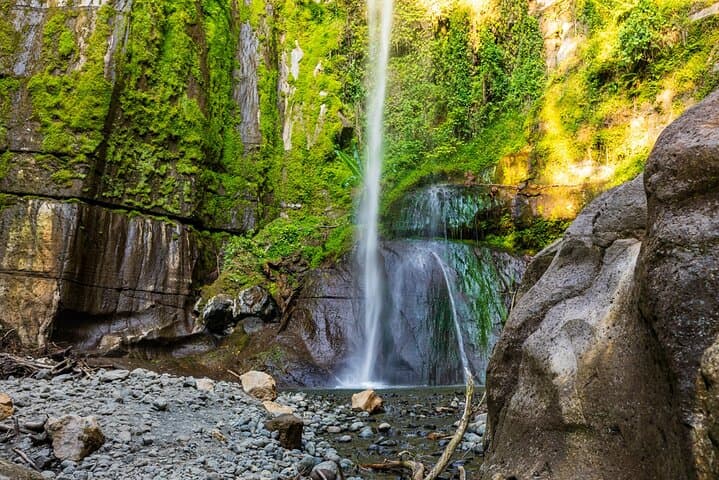
A cool mist greets you before the first step — Napuru’s falls announce themselves with a distant roar as the trail slips into thick Meru Forest.
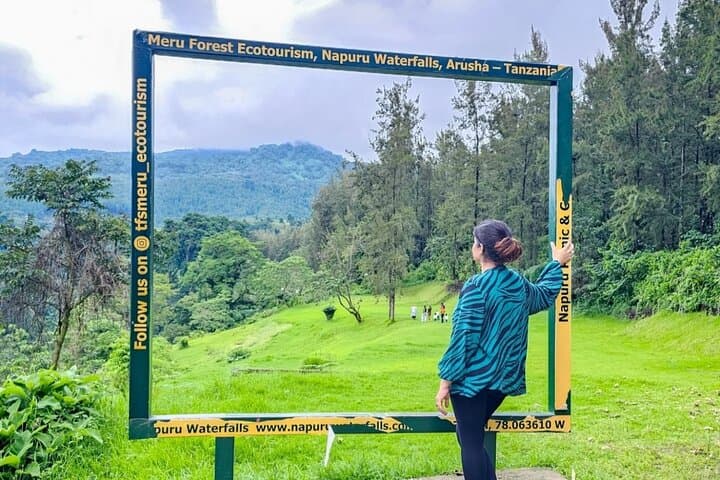
Concrete roads fall away and the path narrows under tall fig and podocarp trees; shafts of light pick out ferns and moss. Birds call intermittently, and local farmers' fields open views back toward the profile of Mount Meru and the spread of Arusha below.
Verified experiences and guided adventures in the surrounding area.
Operated by RIOBA SAFARIS · Arusha, Arusha Region
A cool mist greets you before the first step — Napuru’s falls announce themselves with a distant roar as the trail slips into thick Meru Forest.
Concrete roads fall away and the path narrows under tall fig and podocarp trees; shafts of light pick out ferns and moss. Birds call intermittently, and local farmers' fields open views back toward the profile of Mount Meru and the spread of Arusha below.
Geologically this is volcanic country: Mount Meru’s ancient eruptions laid the fertile soils and carved the gullies that feed the falls. Culturally the route threads through small village plots tended by Meru and Arusha communities whose livelihoods have long been tied to the forest’s water and shade.
Expect a steady, sometimes root-strewn trail that climbs modestly — roughly 4 km round-trip with 200–400 m of elevation change depending on the exact route. The waterfall itself drops from a cliff into a clear plunge pool that invites quick dips when conditions are safe; currents and slippery rock mean a cautious approach.
Plan for a half-day: morning departures are best for cooler air and clearer views. Bring sturdy footwear, rain protection during the rains, and local cash for entrance fees or small purchases in village markets. Guides are typically local and add context on plants, cropping, and conservation efforts; they also choose the safest routes to swimming spots.
This hike pairs sensory refreshment with straightforward logistics — an accessible, invigorating escape from Arusha that rewards preparation and respect for a working landscape.
moderate.
4 hours.
Suitable for travelers with a moderate fitness level who can handle a steady uphill on uneven terrain.
Total tour time is about 4 hours including transport; the forest trail is roughly 4 km round-trip and the guided walking portion typically takes 1.5–2 hours.
Yes, many visitors swim in the plunge pool when conditions are calm, but always check with your guide about currents and underwater hazards before entering.
Families with older children who are comfortable on uneven trails can do the hike; infants must sit on laps for transport and younger children may find some sections challenging.
An entrance fee is usually charged to access Meru Forest trails and the falls; the tour generally includes this fee and your guide will handle payment.
Meru Forest has long supplied water and wood to nearby communities; trails follow routes historically used by local farmers and traders connecting foothill villages to Arusha.
The forest is an important water catchment for Arusha and Mount Meru; visitors are urged to stay on trails, avoid litter, and support local guides who benefit conservation through sustainable tourism.
RIOBA SAFARIS operates guided outdoor trips and adventures with an emphasis on safety, stewardship, and memorable experiences.


A cool mist greets you before the first step — Napuru’s falls announce themselves with a distant roar as the trail slips into thick Meru Forest.
Concrete roads fall away and the path narrows under tall fig and podocarp trees; shafts of light pick out ferns and moss. Birds call intermittently, and local farmers' fields open views back toward the profile of Mount Meru and the spread of Arusha below.
Geologically this is volcanic country: Mount Meru’s ancient eruptions laid the fertile soils and carved the gullies that feed the falls. Culturally the route threads through small village plots tended by Meru and Arusha communities whose livelihoods have long been tied to the forest’s water and shade.
Expect a steady, sometimes root-strewn trail that climbs modestly — roughly 4 km round-trip with 200–400 m of elevation change depending on the exact route. The waterfall itself drops from a cliff into a clear plunge pool that invites quick dips when conditions are safe; currents and slippery rock mean a cautious approach.
Plan for a half-day: morning departures are best for cooler air and clearer views. Bring sturdy footwear, rain protection during the rains, and local cash for entrance fees or small purchases in village markets. Guides are typically local and add context on plants, cropping, and conservation efforts; they also choose the safest routes to swimming spots.
This hike pairs sensory refreshment with straightforward logistics — an accessible, invigorating escape from Arusha that rewards preparation and respect for a working landscape.