THE ADVENTURE COLLECTIVE® · Independent discovery and booking for outdoor travel

A short, rewarding walk from Moshi, Materuni Waterfalls pairs village culture, coffee farms, and a cool plunge pool with views of Kilimanjaro. This half-day excursion is ideal for travelers who want a mix of light hiking and local insight.
A short, rewarding walk from Moshi, Materuni Waterfalls pairs village culture, coffee farms, and a cool plunge pool with views of Kilimanjaro. This half-day excursion is ideal for travelers who want a mix of light hiking and local insight.
You step off the minivan and the air changes—thicker, damp, the green around you sharp and close. A chorus of birds and distant farm dogs sets the pace as your guide points the way through a lane hemmed by coffee bushes and banana stems. The trail undulates: compact earth, the occasional exposed root, quick rises that demand you lean into your legs. After about 30 minutes the ground opens and the waterfall appears, a wall of water driven by the high slopes of Kilimanjaro, falling into a cool plunge pool that dares you to strip down and jump in.
Verified experiences and guided adventures in the surrounding area.
Operated by MyTrip2Tanzania · Moshi, Kilimanjaro
You step off the minivan and the air changes—thicker, damp, the green around you sharp and close. A chorus of birds and distant farm dogs sets the pace as your guide points the way through a lane hemmed by coffee bushes and banana stems. The trail undulates: compact earth, the occasional exposed root, quick rises that demand you lean into your legs. After about 30 minutes the ground opens and the waterfall appears, a wall of water driven by the high slopes of Kilimanjaro, falling into a cool plunge pool that dares you to strip down and jump in.
Materuni sits on Kilimanjaro’s southern flank in the territory of the Chagga people, whose terraced farms shape much of the local landscape. The falls themselves are fed by melt and rainfall from Kilimanjaro’s upper reaches—memory water that has run through volcanic soil for decades. Geologically, the route crosses old lava-sculpted ridges and rich, red loam that supports coffee and banana palms; culturally, the walk is as much an introduction to Chagga farming practices as it is a nature hike.
Guides here move between languages and roles: part folklorist, part botanist, part swim coach. Expect stops at family-run coffee plots where you’ll see beans drying on mats and learn the difference between peaberry and the common varieties. If weather and light align, the summit of Kilimanjaro will peer over the ridge, a pale crown behind the green. Local families often sell roasted beans, chipped honey, or simple handmade crafts—small ways to support community income while you enjoy the landscape.
Practicalities are straightforward. The full experience runs about 5–6 hours including a 30–45 minute drive from Moshi, a 30–45 minute round-trip walk through farmland to the falls, time to swim, and a lunch break. The trail is uneven but not technical—sturdy footwear and a steady pace make it accessible to most visitors. Bring cash for small purchases and tipping, a swimsuit if you want to swim, and a light layer for the climb back up; humidity can turn to cooling breezes as you descend.
Timing matters: early starts mean softer light on Kilimanjaro and cooler walking temperatures. Rain is most likely during the long rains (March–May) and short rains (October–December), so pack a light waterproof. Guides handle logistics and many vendors provide pickup in Moshi, so the day can be private and relaxed.
On arrival, give yourself time to stand at the pool’s edge and listen: the falls are loud enough to erase the town and close enough to remind you why people have farmed these slopes for generations. It’s a short hike with outsized rewards—culture, coffee, a swim, and a front-row seat to Africa’s highest mountain.
moderate.
5–6 hours.
Suitable for most visitors in reasonable shape; expect 30–45 minutes of walking on uneven, sometimes steep terrain.
Expect roughly a 25–45 minute walk each way through coffee and banana farms; the route is short but uneven.
Yes—most tours include time to swim; check water levels with your guide, as currents and depth vary by season.
Yes—it's family-friendly, but those with limited mobility should be prepared for uneven ground and some steps.
Possibly—clear views are most likely in the morning and during dry months; cloud cover often obscures the summit by afternoon.
Most tours include a packed lunch featuring local ingredients; inform the operator of dietary needs when booking.
A guide enhances the experience with cultural context and safe navigation; many travelers opt for organized tours with pickup in Moshi.
The Chagga people have farmed Kilimanjaro’s slopes for centuries, creating terraced agriculture and village systems tied to water from the mountain.
The falls depend on water from Kilimanjaro’s glaciers; conservation of the mountain’s ecology and sustainable farming practices in Chagga lands is crucial for long-term water flow.
MyTrip2Tanzania operates guided outdoor trips and adventures with an emphasis on safety, stewardship, and memorable experiences.
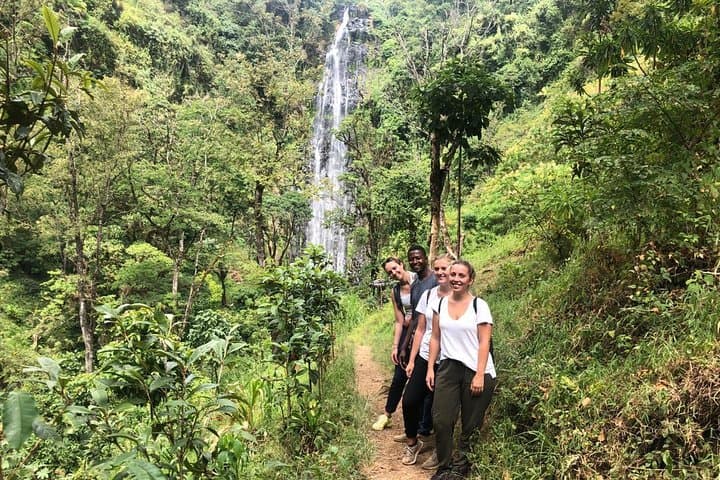
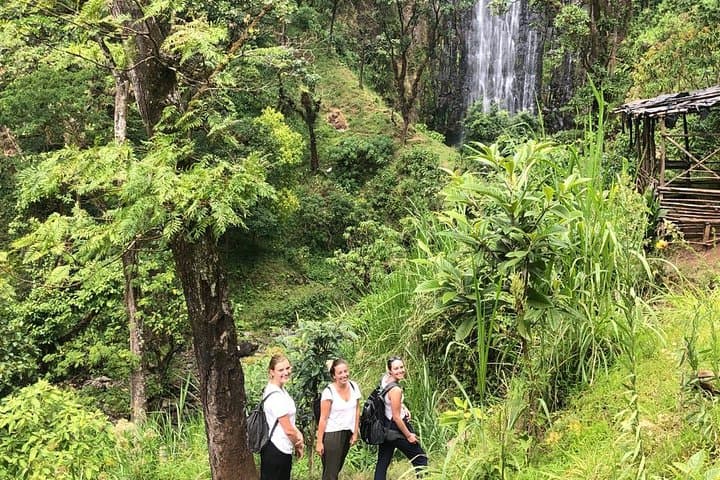
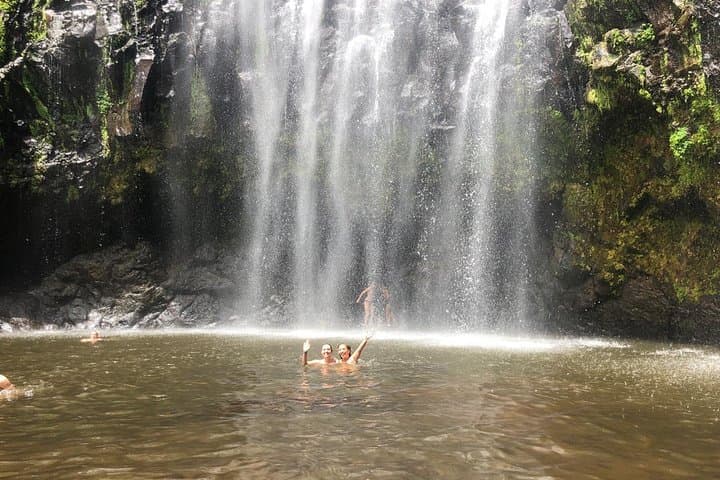
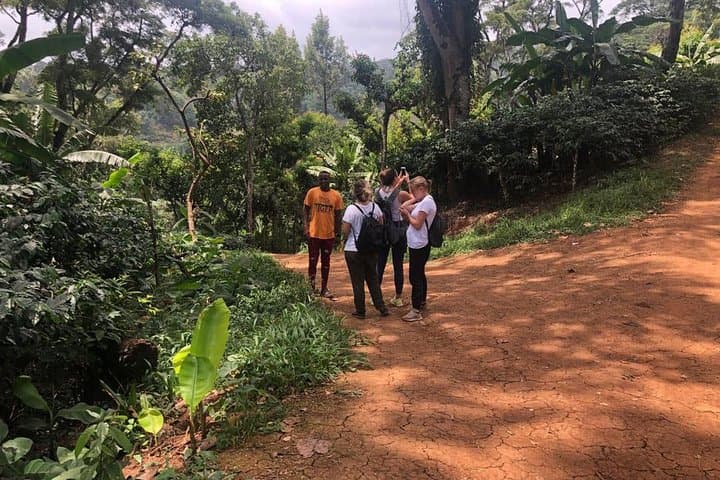
You step off the minivan and the air changes—thicker, damp, the green around you sharp and close. A chorus of birds and distant farm dogs sets the pace as your guide points the way through a lane hemmed by coffee bushes and banana stems. The trail undulates: compact earth, the occasional exposed root, quick rises that demand you lean into your legs. After about 30 minutes the ground opens and the waterfall appears, a wall of water driven by the high slopes of Kilimanjaro, falling into a cool plunge pool that dares you to strip down and jump in.
You step off the minivan and the air changes—thicker, damp, the green around you sharp and close. A chorus of birds and distant farm dogs sets the pace as your guide points the way through a lane hemmed by coffee bushes and banana stems. The trail undulates: compact earth, the occasional exposed root, quick rises that demand you lean into your legs. After about 30 minutes the ground opens and the waterfall appears, a wall of water driven by the high slopes of Kilimanjaro, falling into a cool plunge pool that dares you to strip down and jump in.
Materuni sits on Kilimanjaro’s southern flank in the territory of the Chagga people, whose terraced farms shape much of the local landscape. The falls themselves are fed by melt and rainfall from Kilimanjaro’s upper reaches—memory water that has run through volcanic soil for decades. Geologically, the route crosses old lava-sculpted ridges and rich, red loam that supports coffee and banana palms; culturally, the walk is as much an introduction to Chagga farming practices as it is a nature hike.
Guides here move between languages and roles: part folklorist, part botanist, part swim coach. Expect stops at family-run coffee plots where you’ll see beans drying on mats and learn the difference between peaberry and the common varieties. If weather and light align, the summit of Kilimanjaro will peer over the ridge, a pale crown behind the green. Local families often sell roasted beans, chipped honey, or simple handmade crafts—small ways to support community income while you enjoy the landscape.
Practicalities are straightforward. The full experience runs about 5–6 hours including a 30–45 minute drive from Moshi, a 30–45 minute round-trip walk through farmland to the falls, time to swim, and a lunch break. The trail is uneven but not technical—sturdy footwear and a steady pace make it accessible to most visitors. Bring cash for small purchases and tipping, a swimsuit if you want to swim, and a light layer for the climb back up; humidity can turn to cooling breezes as you descend.
Timing matters: early starts mean softer light on Kilimanjaro and cooler walking temperatures. Rain is most likely during the long rains (March–May) and short rains (October–December), so pack a light waterproof. Guides handle logistics and many vendors provide pickup in Moshi, so the day can be private and relaxed.
On arrival, give yourself time to stand at the pool’s edge and listen: the falls are loud enough to erase the town and close enough to remind you why people have farmed these slopes for generations. It’s a short hike with outsized rewards—culture, coffee, a swim, and a front-row seat to Africa’s highest mountain.