THE ADVENTURE COLLECTIVE® · Independent discovery and booking for outdoor travel

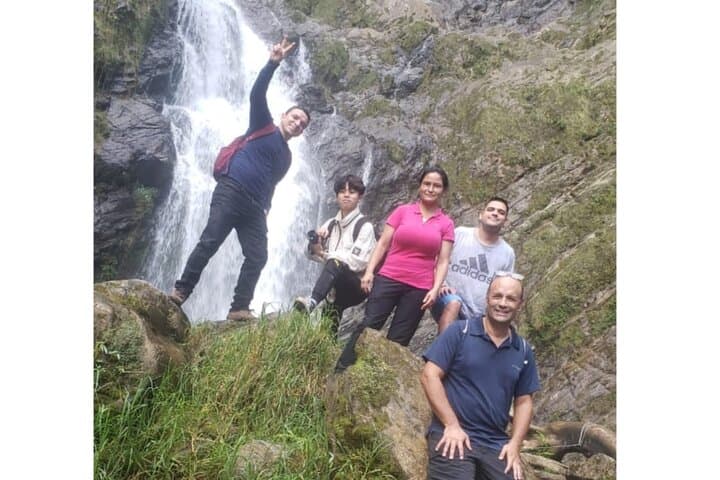
Take a rugged jeep and a forested trek to La Plata, Tolima’s highest waterfall at 490 meters. This five-hour excursion mixes cultural exchange with campesinos, humid-forest scenery, and a physically demanding hike to a dramatic plunge.
Take a rugged jeep and a forested trek to La Plata, Tolima’s highest waterfall at 490 meters. This five-hour excursion mixes cultural exchange with campesinos, humid-forest scenery, and a physically demanding hike to a dramatic plunge.
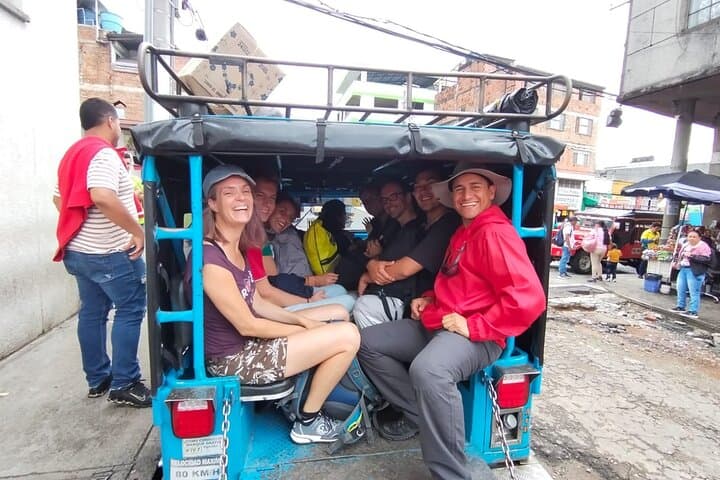
The trail begins with the rumble of a rural Jeep as it climbs out of Ibagué, the air shifting from city heat to the damp, green hush of humid tropical forest. Leaves sweep the path like hands pointing toward the drop; the waterfall waits above, a silver rope unspooling from the ridge.
Verified experiences and guided adventures in the surrounding area.
Operated by AIMA · Ibagué, Tolima
The trail begins with the rumble of a rural Jeep as it climbs out of Ibagué, the air shifting from city heat to the damp, green hush of humid tropical forest. Leaves sweep the path like hands pointing toward the drop; the waterfall waits above, a silver rope unspooling from the ridge.
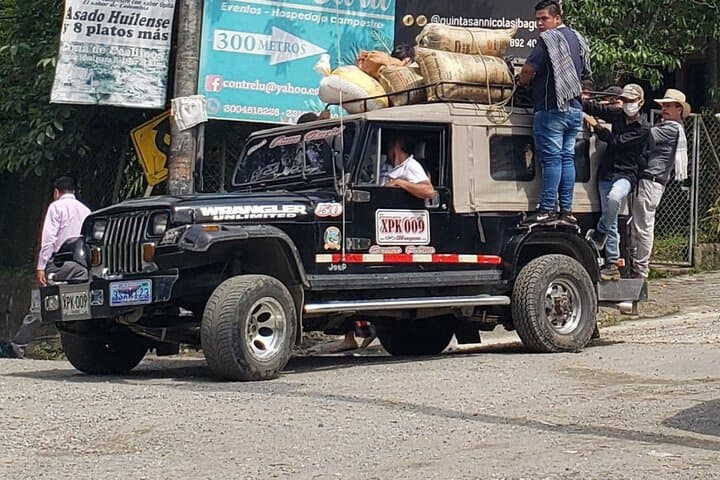
La Plata is Tolima’s tallest cascade at roughly 490 meters, carved where steep volcanic and sedimentary layers meet the Andean foothills. The route threads plantation terraces, shaded secondary forest, and riparian gullies—land shaped by coffee farmers and the slow force of water. Local jeep taxis are part of the cultural fabric here, offering both transport and conversation with campesinos who still move goods and people along these tracks.
Geology shows in the cliff faces: resistant bedrock punctuated by softer seams that water has exploited to create the long plunge. Ecologically, the trail crosses a humid tropical band with bromeliads, hardwoods, and a chorus of birds that give the forest a restless personality.
Practical guidance: the full excursion runs about five hours including transfers; expect 6–8 km round-trip with roughly 250–400 m of elevation change on narrow, sometimes slippery trails. Wear grippy hiking shoes, bring at least 1.5–2 liters of water, and plan for sudden showers—rain can make streams swell and paths slick. The tour is physically demanding; those with spinal, pregnancy or serious heart conditions should avoid it. Time your visit for clear mornings to see the waterfall in full light and to avoid afternoon storms. Respect local land and pack out waste—this stretch of Tolima remains both wild and worked.
challenging.
4–5 hours.
Good cardiovascular fitness and steady footing on uneven, sometimes steep terrain; not suitable for those with serious spinal or heart issues.
The full excursion is about five hours including jeep transfer; expect roughly 6–8 km round-trip on foot with 250–400 m of elevation change.
The trail is physically demanding with slippery sections; children and elderly visitors should assess fitness carefully and consider skipping if mobility is limited.
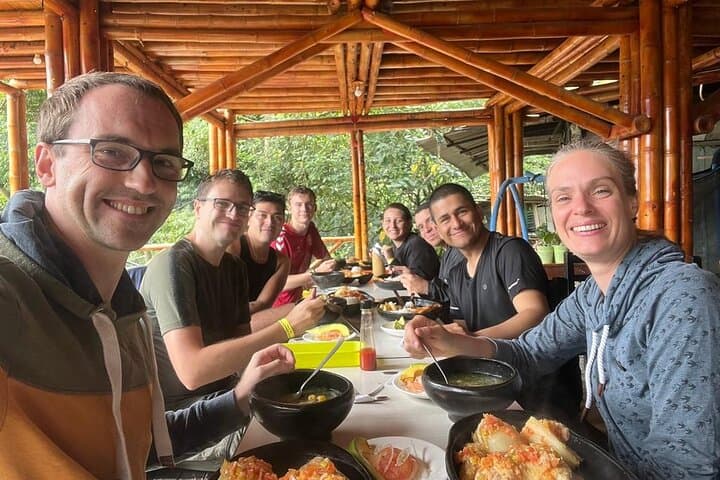
Typical inclusions are transport by rural Jeep, a guided hike to the falls, admission where applicable, and sometimes refreshments like sodas—confirm specifics with the operator.
Early morning visits maximize clear views and reduce exposure to afternoon storms; mornings also offer calmer light for photos.
Rural jeeps and the forested corridors reflect Tolima’s agricultural history—smallholder coffee and plantain farms have shaped access routes to mountain features like La Plata.
The area is sensitive to trail erosion and litter; staying on established paths and packing out waste helps protect the humid forest and its waterways.
AIMA operates guided outdoor trips and adventures with an emphasis on safety, stewardship, and memorable experiences.
The trail begins with the rumble of a rural Jeep as it climbs out of Ibagué, the air shifting from city heat to the damp, green hush of humid tropical forest. Leaves sweep the path like hands pointing toward the drop; the waterfall waits above, a silver rope unspooling from the ridge.
The trail begins with the rumble of a rural Jeep as it climbs out of Ibagué, the air shifting from city heat to the damp, green hush of humid tropical forest. Leaves sweep the path like hands pointing toward the drop; the waterfall waits above, a silver rope unspooling from the ridge.
La Plata is Tolima’s tallest cascade at roughly 490 meters, carved where steep volcanic and sedimentary layers meet the Andean foothills. The route threads plantation terraces, shaded secondary forest, and riparian gullies—land shaped by coffee farmers and the slow force of water. Local jeep taxis are part of the cultural fabric here, offering both transport and conversation with campesinos who still move goods and people along these tracks.
Geology shows in the cliff faces: resistant bedrock punctuated by softer seams that water has exploited to create the long plunge. Ecologically, the trail crosses a humid tropical band with bromeliads, hardwoods, and a chorus of birds that give the forest a restless personality.
Practical guidance: the full excursion runs about five hours including transfers; expect 6–8 km round-trip with roughly 250–400 m of elevation change on narrow, sometimes slippery trails. Wear grippy hiking shoes, bring at least 1.5–2 liters of water, and plan for sudden showers—rain can make streams swell and paths slick. The tour is physically demanding; those with spinal, pregnancy or serious heart conditions should avoid it. Time your visit for clear mornings to see the waterfall in full light and to avoid afternoon storms. Respect local land and pack out waste—this stretch of Tolima remains both wild and worked.