THE ADVENTURE COLLECTIVE® · Independent discovery and booking for outdoor travel

Leave Cusco before dawn for a steep, high-altitude hike to the vividly turquoise Humantay Lagoon beneath Salkantay’s snowy ridges. This one-day trek packs dramatic geology, cultural context, and panoramic views into a single, challenging outing.
Leave Cusco before dawn for a steep, high-altitude hike to the vividly turquoise Humantay Lagoon beneath Salkantay’s snowy ridges. This one-day trek packs dramatic geology, cultural context, and panoramic views into a single, challenging outing.
A predawn shuttle pulls out of Cusco while the city still sleeps; frost clings to the minivan as it climbs the Limatambo Valley and drops you at Soraypampa. From this windswept saddle the trail rises sharply, pushing you past tussock grass and lichen-scoured scree until the turquoise bowl of Humantay Lagoon appears cradled beneath the snowbanded flank of Salkantay.
Verified experiences and guided adventures in the surrounding area.
Operated by ParaViajantes Tours · Cusco, Cusco
A predawn shuttle pulls out of Cusco while the city still sleeps; frost clings to the minivan as it climbs the Limatambo Valley and drops you at Soraypampa. From this windswept saddle the trail rises sharply, pushing you past tussock grass and lichen-scoured scree until the turquoise bowl of Humantay Lagoon appears cradled beneath the snowbanded flank of Salkantay.
Geology here is recent and honest—glacial melt pooled in a cirque of fractured rock, the lake’s color fed by mineral runoff and suspended glacial flour. The surrounding peaks are part of the Vilcabamba range; they have been objects of reverence for Quechua communities for centuries and local guides will usually explain the lake’s role in indigenous ritual as they share practical route notes.
Expect a stiff 1.5–2 hour ascent (roughly 3 km one-way) with about 350–450 m (1,150–1,480 ft) of elevation gain on rocky, sometimes muddy switchbacks. The trail is steep and altitude is the real challenge—each breath will feel heavier the higher you climb, and the sun will feel sharper.
Practical tips: acclimatize in Cusco for 24–48 hours, carry layers for wind and sun, and use trekking poles (often supplied). Plan early starts (pick-up ~4:30 am) to avoid afternoon clouds and to return to Cusco by late afternoon. Bring water, snacks, and a light waterproof; strong footwear with good traction is the best investment for this short but demanding Andean day hike.
moderate.
11–12 hours.
Moderately fit: ability to hike 3–4 hours round-trip at high altitude; acclimatization recommended
The hike is short but steep—about 1.5–2 hours up over 3 km with roughly 350–450 m elevation gain; altitude makes it feel harder than distance alone suggests.
Yes—plan 24–48 hours in Cusco and avoid heavy exertion beforehand; symptoms of altitude sickness should be taken seriously.
Typical inclusions are round-trip transport from Cusco, breakfast and lunch, reserved area access, trekking poles, and a professional guide.
Not recommended for pregnant travelers or those with serious spinal/heart conditions; infants must sit on laps—confirm specific restrictions with the operator.
Humantay sits within territory long inhabited by Quechua-speaking communities; the lake and surrounding peaks have cultural and ritual importance tied to Andean mountain worship (apu).
High visitor numbers and fragile alpine soils make staying on trail and packing out waste essential; choose operators that limit group sizes and respect local land-use rules.
ParaViajantes Tours operates guided outdoor trips and adventures with an emphasis on safety, stewardship, and memorable experiences.
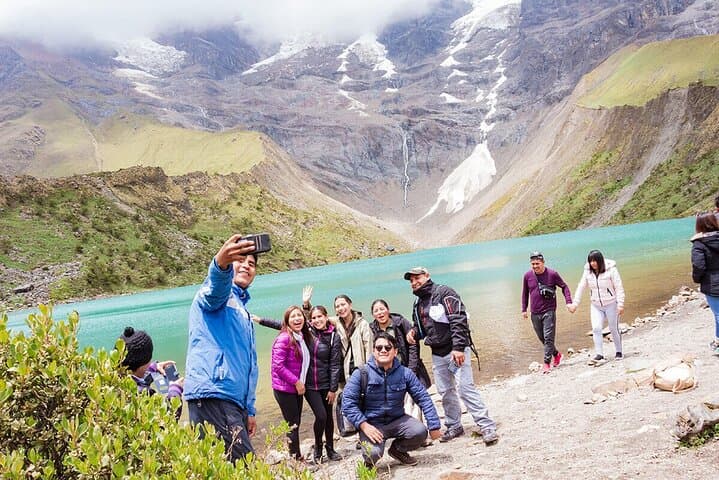
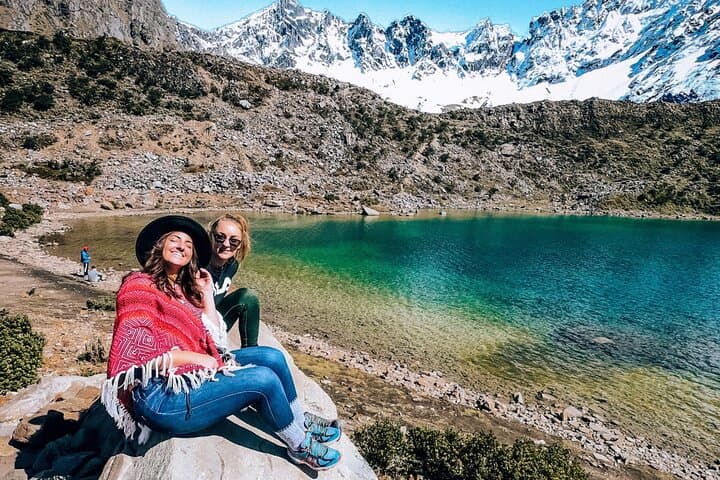
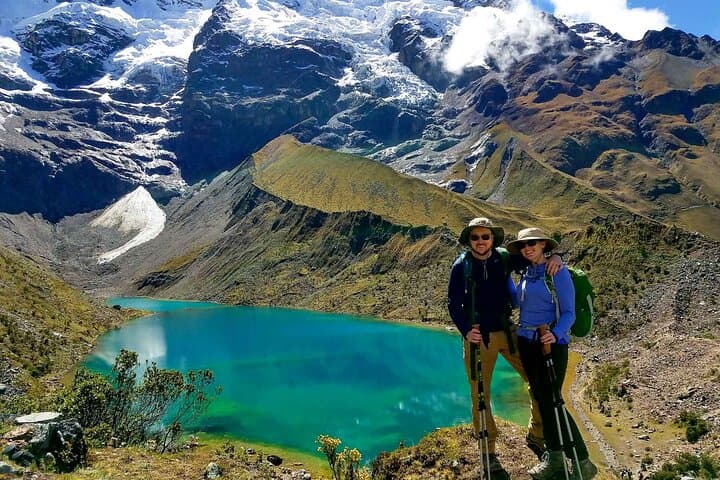
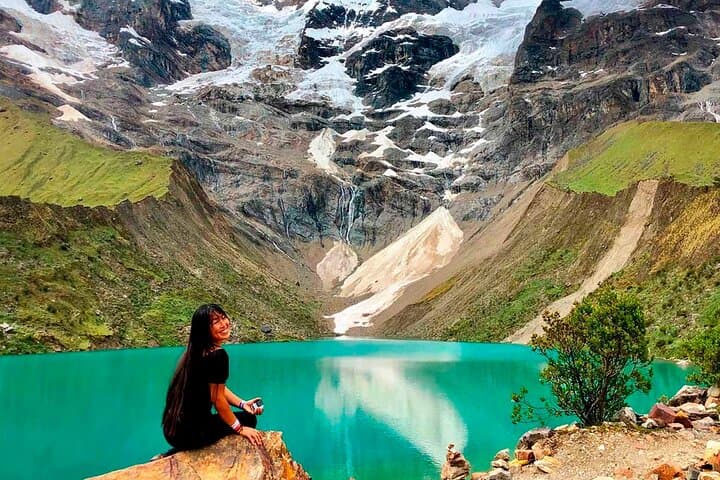
A predawn shuttle pulls out of Cusco while the city still sleeps; frost clings to the minivan as it climbs the Limatambo Valley and drops you at Soraypampa. From this windswept saddle the trail rises sharply, pushing you past tussock grass and lichen-scoured scree until the turquoise bowl of Humantay Lagoon appears cradled beneath the snowbanded flank of Salkantay.
A predawn shuttle pulls out of Cusco while the city still sleeps; frost clings to the minivan as it climbs the Limatambo Valley and drops you at Soraypampa. From this windswept saddle the trail rises sharply, pushing you past tussock grass and lichen-scoured scree until the turquoise bowl of Humantay Lagoon appears cradled beneath the snowbanded flank of Salkantay.
Geology here is recent and honest—glacial melt pooled in a cirque of fractured rock, the lake’s color fed by mineral runoff and suspended glacial flour. The surrounding peaks are part of the Vilcabamba range; they have been objects of reverence for Quechua communities for centuries and local guides will usually explain the lake’s role in indigenous ritual as they share practical route notes.
Expect a stiff 1.5–2 hour ascent (roughly 3 km one-way) with about 350–450 m (1,150–1,480 ft) of elevation gain on rocky, sometimes muddy switchbacks. The trail is steep and altitude is the real challenge—each breath will feel heavier the higher you climb, and the sun will feel sharper.
Practical tips: acclimatize in Cusco for 24–48 hours, carry layers for wind and sun, and use trekking poles (often supplied). Plan early starts (pick-up ~4:30 am) to avoid afternoon clouds and to return to Cusco by late afternoon. Bring water, snacks, and a light waterproof; strong footwear with good traction is the best investment for this short but demanding Andean day hike.