THE ADVENTURE COLLECTIVE® · Independent discovery and booking for outdoor travel

A steep, scenic hike from Kousba up to Hamatoura Monastery delivers dramatic cliff viewpoints over the ancient Qadisha Valley. This guided day tour from Beirut combines a cultural visit, a 200m ascent, and time for meditation or photography at the monastery.
A steep, scenic hike from Kousba up to Hamatoura Monastery delivers dramatic cliff viewpoints over the ancient Qadisha Valley. This guided day tour from Beirut combines a cultural visit, a 200m ascent, and time for meditation or photography at the monastery.
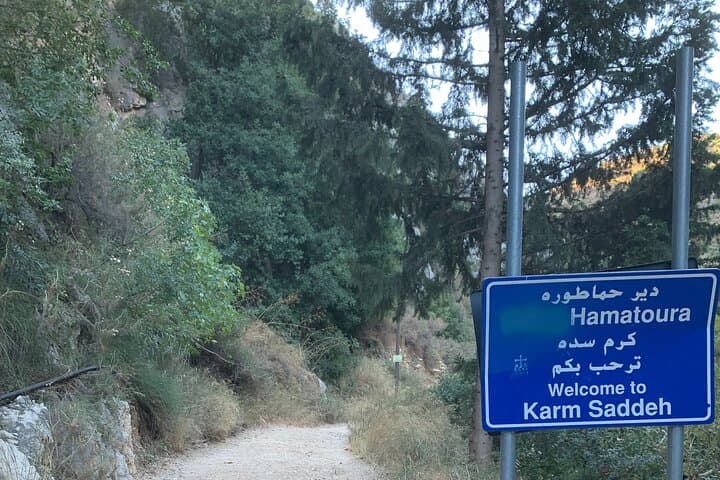
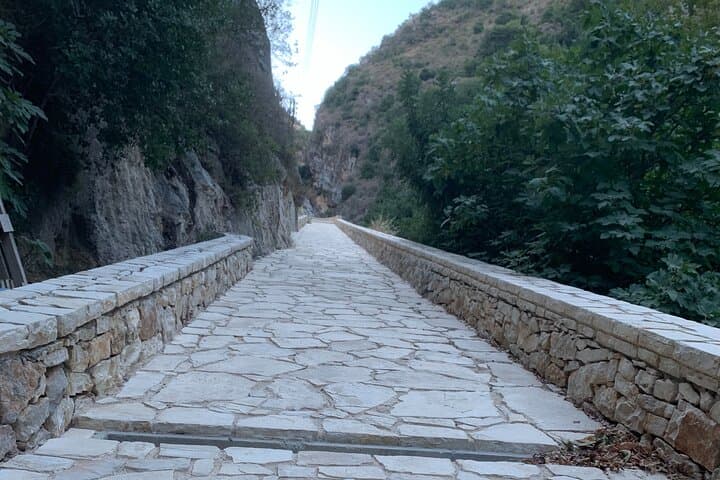
Morning light in Beirut gives way to limestone ridgelines as the van threads north toward Kousba. The hike begins with a sharp two‑kilometer climb — 200 meters of ascent — that pushes up along a sheer face overlooking the Holy Valley of Qadisha. Wind and river have cut the gorge deep; the trail runs close to the cliff’s lip, where views open in sudden, memorable slices.
Verified experiences and guided adventures in the surrounding area.
Operated by Explore Lebanon Tours · Kousba, North Governorate
Morning light in Beirut gives way to limestone ridgelines as the van threads north toward Kousba. The hike begins with a sharp two‑kilometer climb — 200 meters of ascent — that pushes up along a sheer face overlooking the Holy Valley of Qadisha. Wind and river have cut the gorge deep; the trail runs close to the cliff’s lip, where views open in sudden, memorable slices.
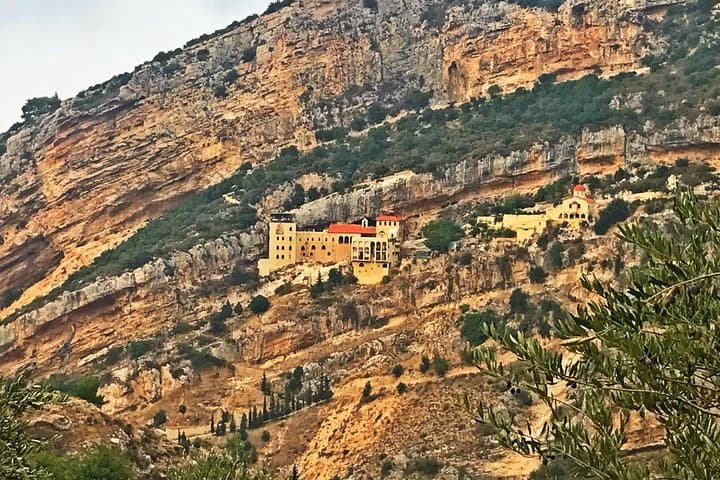
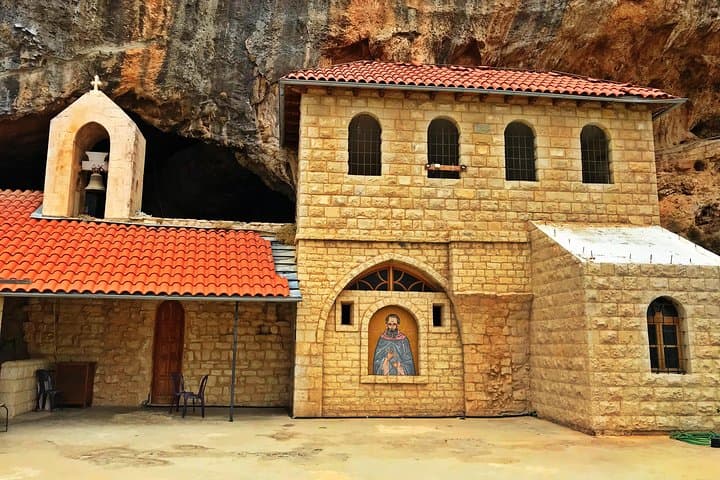
Qadisha Valley is one of the oldest centers of Christian monasticism in the Levant and a UNESCO World Heritage landscape shaped by water and hard rock. Hamatoura Monastery perches above terraces and ancient grottos; its stones and icons reflect centuries of prayer, pilgrimage and seasonal transhumance. Geologically, the walk crosses fractured limestone benches and scree; culturally, it crosses living practice—monastic rituals and local mountain traditions still mark the place.
Expect a straightforward but steep day: 6–8 hours door‑to‑door with time to explore the monastery, sit in a small courtyard to absorb the valley below, and, weather permitting, continue up to the shrine at Hamat for wider panoramas of cedar‑studded slopes and the Mediterranean rim.
Practical edge: the trail demands steady footing and adequate hydration; bring sun protection and modest clothing for the monastery. The tour includes pickup, a guide, and bottled water, but meals are on you. Start early to avoid midday heat, move deliberately on the descent, and observe monastery etiquette—quiet, respectful photography, and follow any posted rules.
moderate.
6–8 hours.
Suitable for someone who regularly walks or hikes and can handle sustained uphill sections and a steep descent.
The primary hike is about 2 km each way with roughly a 200 m elevation gain on the approach; expect steep pitches and uneven footing.
Visitors may explore the monastery grounds but should observe quiet, modest dress and ask guides about any interior areas that are off-limits for photography or access.
Yes—the tour provides hotel pickup and drop-off in an air‑conditioned vehicle as part of the private tour inclusions.
Not recommended for those with limited mobility, pregnant travelers, or anyone unable to manage steep uphill and downhill hiking for several hours.
Qadisha Valley has been a refuge for Christian monastic communities since late antiquity; its monasteries contain centuries of carved stone, manuscript traditions and living religious practice.
Trails cross fragile limestone ecosystems—stay on established paths, pack out waste, and follow guide instructions to limit erosion and disturbance to historic sites.
Explore Lebanon Tours operates guided outdoor trips and adventures with an emphasis on safety, stewardship, and memorable experiences.
Morning light in Beirut gives way to limestone ridgelines as the van threads north toward Kousba. The hike begins with a sharp two‑kilometer climb — 200 meters of ascent — that pushes up along a sheer face overlooking the Holy Valley of Qadisha. Wind and river have cut the gorge deep; the trail runs close to the cliff’s lip, where views open in sudden, memorable slices.
Morning light in Beirut gives way to limestone ridgelines as the van threads north toward Kousba. The hike begins with a sharp two‑kilometer climb — 200 meters of ascent — that pushes up along a sheer face overlooking the Holy Valley of Qadisha. Wind and river have cut the gorge deep; the trail runs close to the cliff’s lip, where views open in sudden, memorable slices.
Qadisha Valley is one of the oldest centers of Christian monasticism in the Levant and a UNESCO World Heritage landscape shaped by water and hard rock. Hamatoura Monastery perches above terraces and ancient grottos; its stones and icons reflect centuries of prayer, pilgrimage and seasonal transhumance. Geologically, the walk crosses fractured limestone benches and scree; culturally, it crosses living practice—monastic rituals and local mountain traditions still mark the place.
Expect a straightforward but steep day: 6–8 hours door‑to‑door with time to explore the monastery, sit in a small courtyard to absorb the valley below, and, weather permitting, continue up to the shrine at Hamat for wider panoramas of cedar‑studded slopes and the Mediterranean rim.
Practical edge: the trail demands steady footing and adequate hydration; bring sun protection and modest clothing for the monastery. The tour includes pickup, a guide, and bottled water, but meals are on you. Start early to avoid midday heat, move deliberately on the descent, and observe monastery etiquette—quiet, respectful photography, and follow any posted rules.