THE ADVENTURE COLLECTIVE® · Independent discovery and booking for outdoor travel

Approach Gocta and feel its roar before the falls appear. This full-day trek from Chachapoyas navigates cloud forest trails to deliver sweeping viewpoints of a 771 m cataract, with optional horseback sections and a traditional lunch back in San Pablo.
Approach Gocta and feel its roar before the falls appear. This full-day trek from Chachapoyas navigates cloud forest trails to deliver sweeping viewpoints of a 771 m cataract, with optional horseback sections and a traditional lunch back in San Pablo.
A low rumble grows before you see it: a vertical thread of water cutting through cloud forest. On the trail to Gocta, mist beads on leaves and the path rises and narrows, the canyon pulling you toward one of the world’s tallest free-falling cascades — 771 meters (2,530 feet) of water that visibly shapes the valley below.
Verified experiences and guided adventures in the surrounding area.
Operated by VIPAC Travel · Cocachimba, Amazonas
A low rumble grows before you see it: a vertical thread of water cutting through cloud forest. On the trail to Gocta, mist beads on leaves and the path rises and narrows, the canyon pulling you toward one of the world’s tallest free-falling cascades — 771 meters (2,530 feet) of water that visibly shapes the valley below.
The route travels through montane cloud forest that shelters species once worshipped by the Chachapoya people centuries ago. Geologically, Gocta pours from fractured sandstone and limestone terraces carved by long-standing runoff; the falls sit within a landscape of steep escarpments and side ravines dotted with smaller drops. Local communities in San Pablo and Cocachimba maintain trails and tell stories of the falls’ rediscovery in modern times, giving the place both cultural and natural weight.
Expect a full-day outing (door-to-door ~9 hours) that combines driving from Chachapoyas, a guided walk through humid forest, and viewpoints that reveal Gocta from different angles. Depending on the chosen route you may walk sections of steep, muddy trail or opt for a short horseback segment. The spray will soak your jacket on closer approaches; the trail can be slippery and roots are common.
Bring sturdy, grippy footwear, at least 2 liters of water, and spare camera batteries. Start early to avoid mid-day storms in the rainy season and follow your guide’s route—stay on established trails to protect fragile moss and orchids. With sensible preparation, this is a memorable encounter with raw vertical power and high-Andean biodiversity.
moderate.
9 hours.
Suitable for travelers with moderate fitness who can manage sustained uphill walking, steps, and uneven terrain.
Trail length varies by route; many guided programs include 1–3 hours of walking each way from nearby trailheads, with the full tour lasting a full day due to travel time from Chachapoyas.
Yes — optional horseback segments are often available for parts of the approach at an additional cost, but some steep sections are still best negotiated on foot.
The dry season (roughly June–August in this region) typically brings clearer skies and firmer trails; be aware the Southern Hemisphere’s summer (Dec–Feb) is the wettest period.
Not recommended for travelers with serious back or heart conditions; the trail has uneven ground and some steep sections — disclose health issues when booking.
The falls sit within territory long inhabited by the Chachapoya culture; local villages around Gocta maintain oral traditions and manage visitor access.
The cloud forest is fragile—stick to marked trails, avoid single-use plastics, and follow guide instructions to reduce erosion and disturbance.
VIPAC Travel operates guided outdoor trips and adventures with an emphasis on safety, stewardship, and memorable experiences.
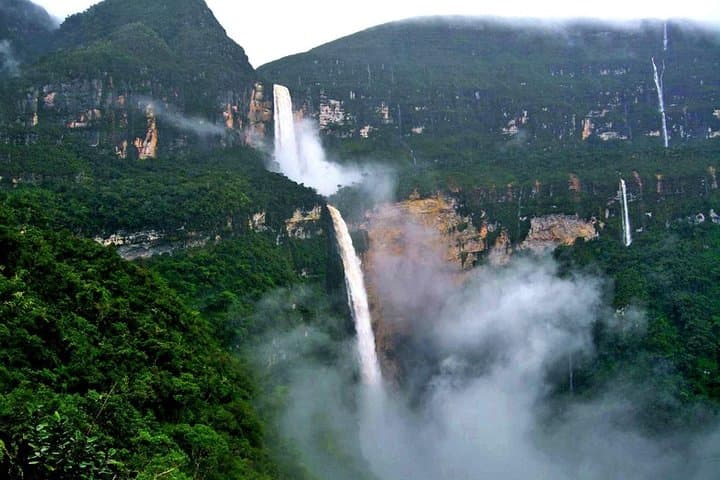
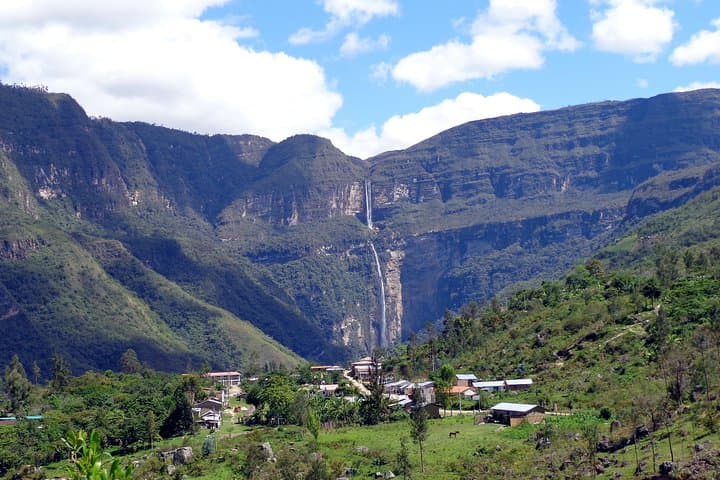
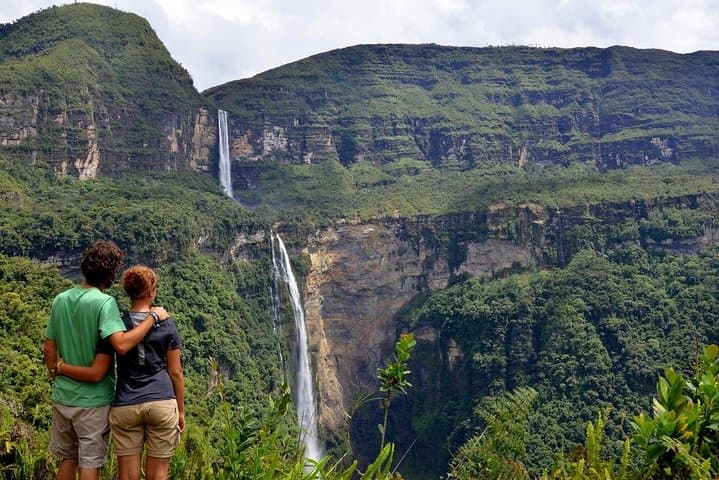
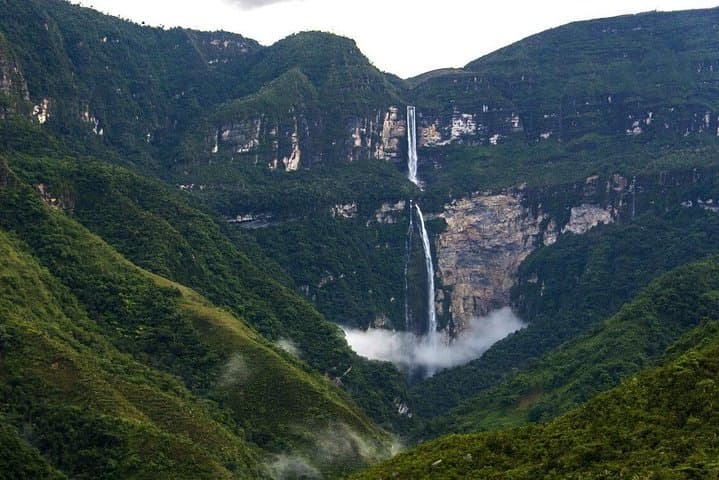
A low rumble grows before you see it: a vertical thread of water cutting through cloud forest. On the trail to Gocta, mist beads on leaves and the path rises and narrows, the canyon pulling you toward one of the world’s tallest free-falling cascades — 771 meters (2,530 feet) of water that visibly shapes the valley below.
A low rumble grows before you see it: a vertical thread of water cutting through cloud forest. On the trail to Gocta, mist beads on leaves and the path rises and narrows, the canyon pulling you toward one of the world’s tallest free-falling cascades — 771 meters (2,530 feet) of water that visibly shapes the valley below.
The route travels through montane cloud forest that shelters species once worshipped by the Chachapoya people centuries ago. Geologically, Gocta pours from fractured sandstone and limestone terraces carved by long-standing runoff; the falls sit within a landscape of steep escarpments and side ravines dotted with smaller drops. Local communities in San Pablo and Cocachimba maintain trails and tell stories of the falls’ rediscovery in modern times, giving the place both cultural and natural weight.
Expect a full-day outing (door-to-door ~9 hours) that combines driving from Chachapoyas, a guided walk through humid forest, and viewpoints that reveal Gocta from different angles. Depending on the chosen route you may walk sections of steep, muddy trail or opt for a short horseback segment. The spray will soak your jacket on closer approaches; the trail can be slippery and roots are common.
Bring sturdy, grippy footwear, at least 2 liters of water, and spare camera batteries. Start early to avoid mid-day storms in the rainy season and follow your guide’s route—stay on established trails to protect fragile moss and orchids. With sensible preparation, this is a memorable encounter with raw vertical power and high-Andean biodiversity.