THE ADVENTURE COLLECTIVE® · Independent discovery and booking for outdoor travel

Follow a classic Bear Lake route through Nymph and Dream Lakes to the cirque of Emerald Lake in Rocky Mountain National Park. This private guided hike covers alpine views, manageable terrain, and included transport, making it a straightforward introduction to high-country hiking.
Follow a classic Bear Lake route through Nymph and Dream Lakes to the cirque of Emerald Lake in Rocky Mountain National Park. This private guided hike covers alpine views, manageable terrain, and included transport, making it a straightforward introduction to high-country hiking.
A thin wind threads through the subalpine fir as hikers leave the Bear Lake trailhead, boots crunching on a high-country path that climbs toward the cirque holding Emerald Lake. The route moves steadily past Nymph Lake’s quiet edges and Dream Lake’s mirrored surface before spilling into the wide bowl where Emerald Lake sits—its water a startling green fed by snowmelt and the cliffs that hem it in.
Verified experiences and guided adventures in the surrounding area.
Operated by Scout · Estes Park, Colorado
A thin wind threads through the subalpine fir as hikers leave the Bear Lake trailhead, boots crunching on a high-country path that climbs toward the cirque holding Emerald Lake. The route moves steadily past Nymph Lake’s quiet edges and Dream Lake’s mirrored surface before spilling into the wide bowl where Emerald Lake sits—its water a startling green fed by snowmelt and the cliffs that hem it in.
Geology here is visible history: glacial carving left the sharp ridgelines and the amphitheater where Emerald Lake collects runoff. The area sits within Ute and Arapaho ancestral lands and later drew early mountaineers and park advocates who helped establish Rocky Mountain National Park in 1915. Wildlife is bold and often seen at dawn and dusk—elk graze lower slopes while marmots and pika claim the talus above.
Practically, the hike from Bear Lake to Emerald Lake is traditionally about 3.5–4 miles round-trip with roughly 500–800 feet of elevation gain on well-maintained but sometimes rocky trail; allow 2–4 hours on foot depending on stops. Weather turns quickly—afternoon storms are common in summer and snow lingers into spring at higher elevations. The guided private option often includes transport from Estes Park, park entry/timed pass, snacks, lunch, poles and an essentials pack. Hydrate, layer for wind and sun, and plan for crowds at peak hours by starting early. Expect alpine scenery, easy technical terrain, and the steady reward of a high-mountain lake scene that keeps returning hikers year after year.
moderate.
8–9 hours.
Moderate fitness: comfortable walking 3–6 miles with short uphill sections at altitude; some prior day-hike experience recommended.
Yes—Rocky Mountain National Park requires an entrance fee and may require a timed entry reservation during peak season; this guided experience typically includes those fees.
The trail is non-technical and well-marked, but altitude and steady uphill sections make it moderately challenging for beginners; go slowly and focus on hydration.
Pets are not permitted on trails in Rocky Mountain National Park, though service animals are allowed—confirm policies with the operator before booking.
Expect elk, mule deer, marmots and possibly coyotes; keep distance, never feed animals, and store food securely while on the trail.
The lakes and trails occupy land long used by Ute and Arapaho peoples and later became part of Rocky Mountain National Park when it was established in 1915 to protect these high-country landscapes.
High-alpine vegetation is fragile; stick to trails and use restroom facilities at trailheads to reduce impact. Pack-it-in, pack-it-out principles and staying on durable surfaces help preserve the area for future visitors.
Scout operates guided outdoor trips and adventures with an emphasis on safety, stewardship, and memorable experiences.
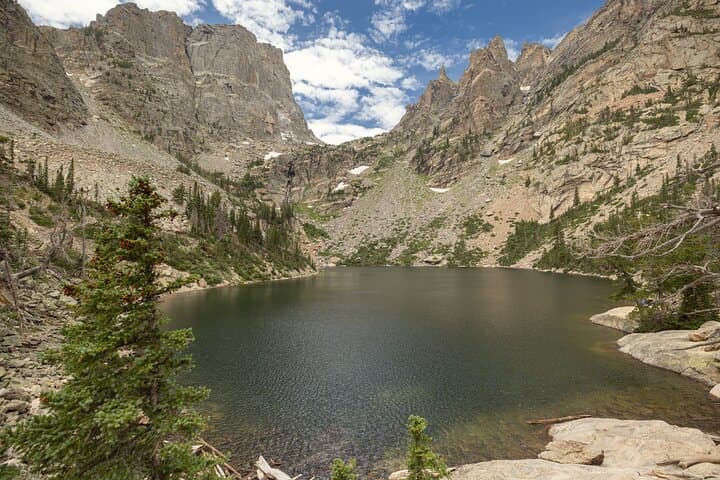
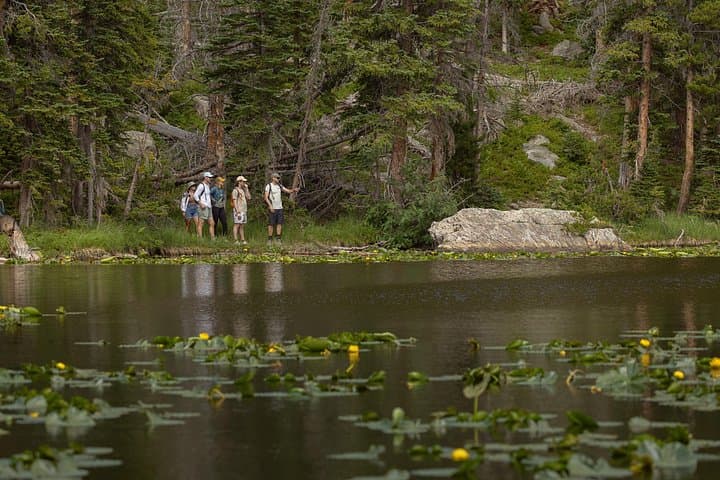
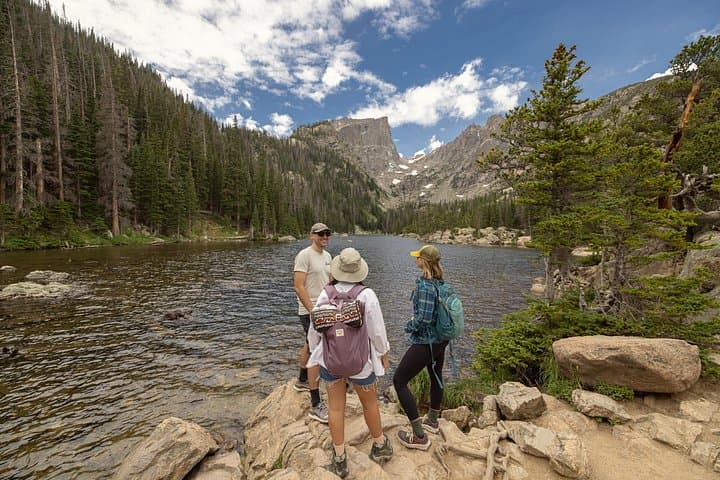
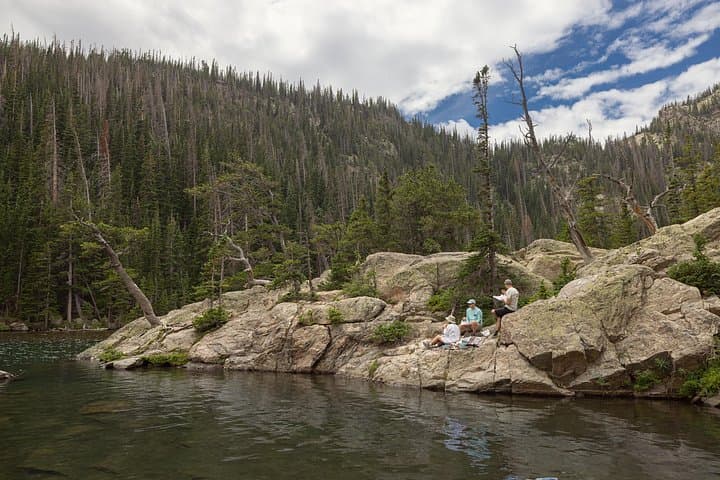
A thin wind threads through the subalpine fir as hikers leave the Bear Lake trailhead, boots crunching on a high-country path that climbs toward the cirque holding Emerald Lake. The route moves steadily past Nymph Lake’s quiet edges and Dream Lake’s mirrored surface before spilling into the wide bowl where Emerald Lake sits—its water a startling green fed by snowmelt and the cliffs that hem it in.
A thin wind threads through the subalpine fir as hikers leave the Bear Lake trailhead, boots crunching on a high-country path that climbs toward the cirque holding Emerald Lake. The route moves steadily past Nymph Lake’s quiet edges and Dream Lake’s mirrored surface before spilling into the wide bowl where Emerald Lake sits—its water a startling green fed by snowmelt and the cliffs that hem it in.
Geology here is visible history: glacial carving left the sharp ridgelines and the amphitheater where Emerald Lake collects runoff. The area sits within Ute and Arapaho ancestral lands and later drew early mountaineers and park advocates who helped establish Rocky Mountain National Park in 1915. Wildlife is bold and often seen at dawn and dusk—elk graze lower slopes while marmots and pika claim the talus above.
Practically, the hike from Bear Lake to Emerald Lake is traditionally about 3.5–4 miles round-trip with roughly 500–800 feet of elevation gain on well-maintained but sometimes rocky trail; allow 2–4 hours on foot depending on stops. Weather turns quickly—afternoon storms are common in summer and snow lingers into spring at higher elevations. The guided private option often includes transport from Estes Park, park entry/timed pass, snacks, lunch, poles and an essentials pack. Hydrate, layer for wind and sun, and plan for crowds at peak hours by starting early. Expect alpine scenery, easy technical terrain, and the steady reward of a high-mountain lake scene that keeps returning hikers year after year.