THE ADVENTURE COLLECTIVE® · Independent discovery and booking for outdoor travel

A full-day guided climb from Mikro Papigo up to Drakolimni (Dragon Lake) on the Tymfi massif — a steep, rocky route with alpine springs, a mid-route refuge and a high mountain tarn inhabited by the Alpine Triton. Read on for what to expect and how to prepare.
A full-day guided climb from Mikro Papigo up to Drakolimni (Dragon Lake) on the Tymfi massif — a steep, rocky route with alpine springs, a mid-route refuge and a high mountain tarn inhabited by the Alpine Triton. Read on for what to expect and how to prepare.
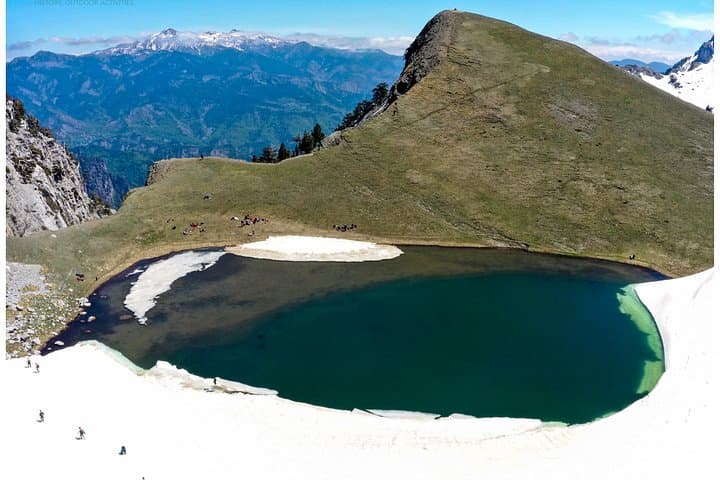
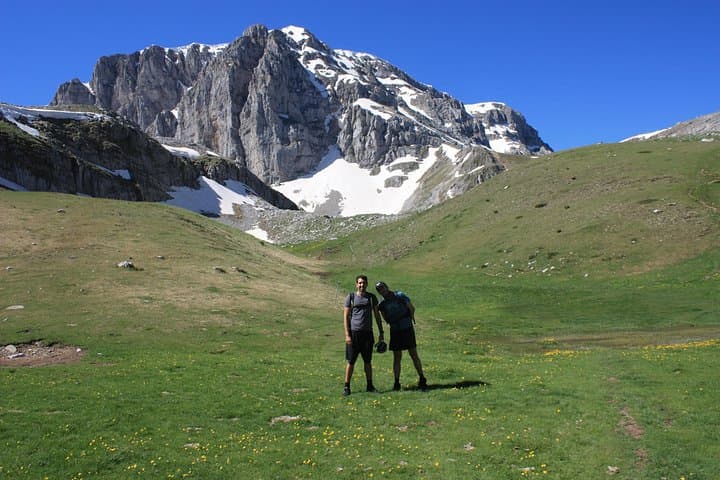
You step out of the stone village of Mikro Papigo with the sun catching the serrated ridge above; the trail angles up through pine-smoke air, past limestone slabs that seem to slope like steps toward the sky. The mountains here move with intent — scree fields slip, streams hurry, and alpine meadows incline toward the small, dark basin known locally as Drakolimni, or Dragon Lake.
Verified experiences and guided adventures in the surrounding area.
Operated by Epirus Traveller · Mikro Papigo, Epirus
You step out of the stone village of Mikro Papigo with the sun catching the serrated ridge above; the trail angles up through pine-smoke air, past limestone slabs that seem to slope like steps toward the sky. The mountains here move with intent — scree fields slip, streams hurry, and alpine meadows incline toward the small, dark basin known locally as Drakolimni, or Dragon Lake.
The route follows old shepherd tracks threaded through the Tymfi massif. Geologically this range is sculpted from folded limestone and karst, producing sharp cliffs, vertical gullies and high-altitude springs that still feed the tarn. Culturally, Zagori’s stone villages and dry-stone bridges reflect centuries of shepherding and seasonal alpine grazing; Papigo was a waystation between valley and summit.
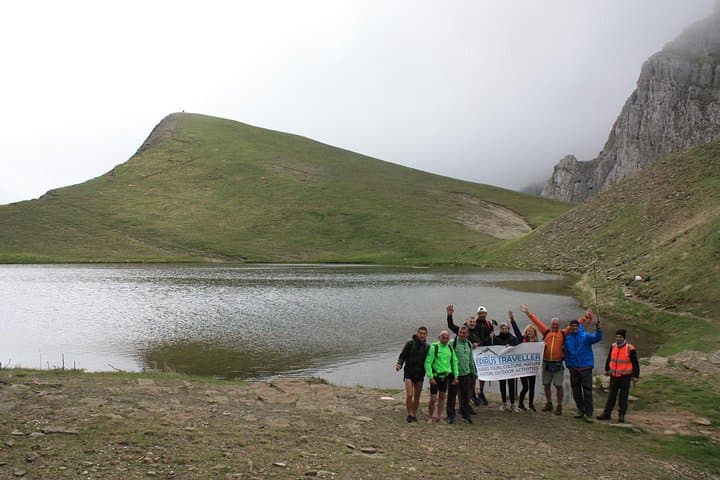
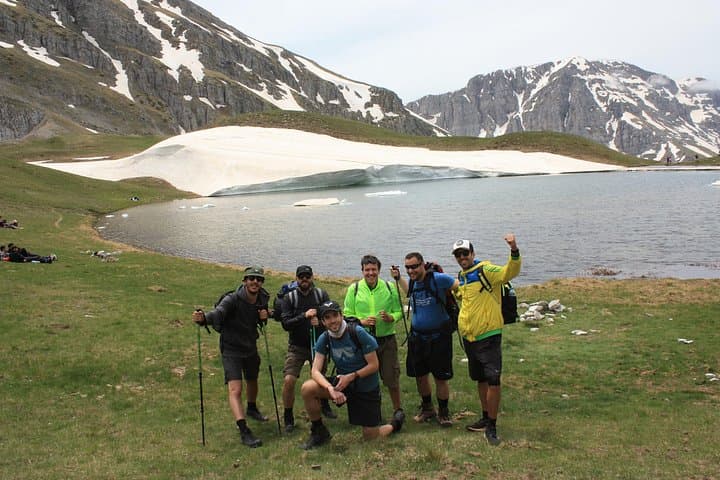
Expect a steady uphill: forested switchbacks give way to rockier terrain, with the Astraka refuge roughly midway. Above 1,800–2,000 meters the landscape opens into high pastures dotted with vivid wild lilies and the tiny dark pools where the Alpine Triton has survived since the last ice age. On calm days Dragon Lake mirrors the bowl of peaks; on windier afternoons the water seems to nudge you forward.
Practical guidance: start early to avoid afternoon wind, carry 2–3 liters of water and layered insulation for sudden temperature drops, and use sturdy boots with ankle support — the ascent includes loose rock and short steep pitches. If you plan to swim, be prepared for cold water and fragile alpine ecosystems. The descent loops past natural swimming pools (Ovires of Rogovos) near Papigo — an excellent reward for a long day.
challenging.
6–8 hours.
Good cardiovascular fitness and experience with sustained uphill hiking; able to manage uneven terrain and brief scrambling.
Expect a sustained uphill effort to about 1,900–2,000 m with sections of loose rock; the operator rates it for those with moderate to good fitness.
Some visitors swim, but the water is very cold even in summer and the lake is an ecologically sensitive habitat — avoid using soap and be cautious.
A certified guide is recommended for navigation, local knowledge and safety, especially if weather is variable or group experience is limited.
Sturdy hiking boots, layered clothing, 2–3 liters of water, a wind shell, and optionally poles; sunscreen and sunglasses are important at altitude.
Zagori’s villages, including Papigo, developed as pastoral and trading communities; the stone paths and shelters trace centuries of seasonal shepherding in the Pindus range.
This high-altitude environment is fragile: stick to marked trails, avoid introducing foreign materials to water, and follow local guidance to protect endemic species and alpine flora.
Epirus Traveller operates guided outdoor trips and adventures with an emphasis on safety, stewardship, and memorable experiences.
You step out of the stone village of Mikro Papigo with the sun catching the serrated ridge above; the trail angles up through pine-smoke air, past limestone slabs that seem to slope like steps toward the sky. The mountains here move with intent — scree fields slip, streams hurry, and alpine meadows incline toward the small, dark basin known locally as Drakolimni, or Dragon Lake.
You step out of the stone village of Mikro Papigo with the sun catching the serrated ridge above; the trail angles up through pine-smoke air, past limestone slabs that seem to slope like steps toward the sky. The mountains here move with intent — scree fields slip, streams hurry, and alpine meadows incline toward the small, dark basin known locally as Drakolimni, or Dragon Lake.
The route follows old shepherd tracks threaded through the Tymfi massif. Geologically this range is sculpted from folded limestone and karst, producing sharp cliffs, vertical gullies and high-altitude springs that still feed the tarn. Culturally, Zagori’s stone villages and dry-stone bridges reflect centuries of shepherding and seasonal alpine grazing; Papigo was a waystation between valley and summit.
Expect a steady uphill: forested switchbacks give way to rockier terrain, with the Astraka refuge roughly midway. Above 1,800–2,000 meters the landscape opens into high pastures dotted with vivid wild lilies and the tiny dark pools where the Alpine Triton has survived since the last ice age. On calm days Dragon Lake mirrors the bowl of peaks; on windier afternoons the water seems to nudge you forward.
Practical guidance: start early to avoid afternoon wind, carry 2–3 liters of water and layered insulation for sudden temperature drops, and use sturdy boots with ankle support — the ascent includes loose rock and short steep pitches. If you plan to swim, be prepared for cold water and fragile alpine ecosystems. The descent loops past natural swimming pools (Ovires of Rogovos) near Papigo — an excellent reward for a long day.