THE ADVENTURE COLLECTIVE® · Independent discovery and booking for outdoor travel

Experience a day on the Transfăgărășan that pairs Bâlea Waterfall’s roar with the high-mountain calm of Bâlea Lake. This guided day trek from Sibiu combines alpine views, glacial geology, and practical route choices that change with the seasons.
Experience a day on the Transfăgărășan that pairs Bâlea Waterfall’s roar with the high-mountain calm of Bâlea Lake. This guided day trek from Sibiu combines alpine views, glacial geology, and practical route choices that change with the seasons.
A low, cool wind moves down Bâlea Valley as the group leaves Sibiu and climbs onto the Transfăgărășan. Peaks of the Făgăraș range cut a sharp horizon; scree slopes and alpine meadows trade places with stands of dwarf pine. At the trailhead the waterfall announces itself—water daring you closer, spray cooling your face—before the ridge opens to the bright, glassy bowl of Bâlea Lake.
Verified experiences and guided adventures in the surrounding area.
Operated by Carpathian Travel Center · Sibiu, Sibiu County
A low, cool wind moves down Bâlea Valley as the group leaves Sibiu and climbs onto the Transfăgărășan. Peaks of the Făgăraș range cut a sharp horizon; scree slopes and alpine meadows trade places with stands of dwarf pine. At the trailhead the waterfall announces itself—water daring you closer, spray cooling your face—before the ridge opens to the bright, glassy bowl of Bâlea Lake.
The route follows paths carved by glaciers and shepherds. The Făgăraș Mountains were shaped in the last ice age; Bâlea Lake sits at about 2,034 m and occupies a glacial cirque. The area has long been a seasonal passage for local shepherding communities and, more recently, a waypoint on Romania’s mountain tourism map thanks to the dramatic Transfăgărășan road built in the 1970s.
Expect rocky, uneven terrain with short steep sections and panoramic viewpoints that reward steady effort. In summer, alpine flowers edge the trail; in winter, snow and ice transform the valley—routes require snow gear and caution. Guides on day trips handle logistics: transfers from Sibiu, route choices by weather, and options to return by cable car or bus when available.
Practical notes: bring waterproof layers, solid boots, 1.5–2 liters of water, and snacks for the hike portion (1.5–2 hours ascent). Start early to avoid afternoon weather changes on the Transfăgărășan. Mobile signal is intermittent; rely on your guide and a paper map in poor conditions.
challenging.
10 hours (including transport).
Moderate to fit — able to sustain 1.5–2 hours of uphill hiking on uneven terrain
The uphill hike typically takes 1.5–2 hours depending on pace and conditions; guides may adjust timing for weather.
Depending on weather and cable car operation, the return can be by cable car or bus from the Bâlea cabin area; guides confirm on the day.
Travelers should have at least moderate fitness; uneven and rocky terrain can be tiring for true beginners.
In winter tours, operators require snow gear and may substitute snowshoes; some sections can be icy and require crampons and experience.
The Transfăgărășan road opened in the 1970s, improving access to high passes long used by shepherds and military units; Bâlea has been a seasonal shelter area for centuries.
The Făgăraș Mountains are managed for both grazing and recreation—stay on marked trails to limit erosion and pack out all waste to protect fragile alpine plants.
Carpathian Travel Center operates guided outdoor trips and adventures with an emphasis on safety, stewardship, and memorable experiences.


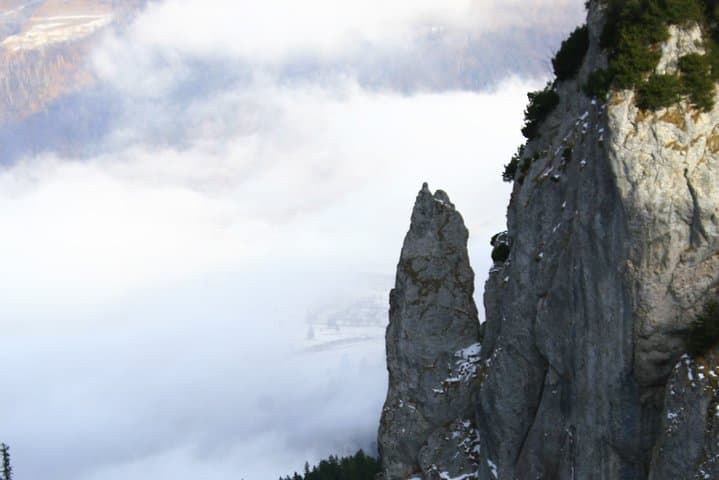
A low, cool wind moves down Bâlea Valley as the group leaves Sibiu and climbs onto the Transfăgărășan. Peaks of the Făgăraș range cut a sharp horizon; scree slopes and alpine meadows trade places with stands of dwarf pine. At the trailhead the waterfall announces itself—water daring you closer, spray cooling your face—before the ridge opens to the bright, glassy bowl of Bâlea Lake.
A low, cool wind moves down Bâlea Valley as the group leaves Sibiu and climbs onto the Transfăgărășan. Peaks of the Făgăraș range cut a sharp horizon; scree slopes and alpine meadows trade places with stands of dwarf pine. At the trailhead the waterfall announces itself—water daring you closer, spray cooling your face—before the ridge opens to the bright, glassy bowl of Bâlea Lake.
The route follows paths carved by glaciers and shepherds. The Făgăraș Mountains were shaped in the last ice age; Bâlea Lake sits at about 2,034 m and occupies a glacial cirque. The area has long been a seasonal passage for local shepherding communities and, more recently, a waypoint on Romania’s mountain tourism map thanks to the dramatic Transfăgărășan road built in the 1970s.
Expect rocky, uneven terrain with short steep sections and panoramic viewpoints that reward steady effort. In summer, alpine flowers edge the trail; in winter, snow and ice transform the valley—routes require snow gear and caution. Guides on day trips handle logistics: transfers from Sibiu, route choices by weather, and options to return by cable car or bus when available.
Practical notes: bring waterproof layers, solid boots, 1.5–2 liters of water, and snacks for the hike portion (1.5–2 hours ascent). Start early to avoid afternoon weather changes on the Transfăgărășan. Mobile signal is intermittent; rely on your guide and a paper map in poor conditions.