THE ADVENTURE COLLECTIVE® · Independent discovery and booking for outdoor travel

Walk across lava fields and up volcanic cones in Timanfaya National Park, the site of Lanzarote’s dramatic 18th-century eruptions. This guided hike pairs close-up geology with practical guidance for navigating exposed, rocky terrain.
Walk across lava fields and up volcanic cones in Timanfaya National Park, the site of Lanzarote’s dramatic 18th-century eruptions. This guided hike pairs close-up geology with practical guidance for navigating exposed, rocky terrain.
You step out of the minivan into a landscape that still looks as if it was forged yesterday: black, glassy flows ringed by rust-red cinder cones and a wind that pushes heat against your face. The trail climbs across fractured basalt; each footfall stirs millimetres of volcanic dust and the scent of iron.
Verified experiences and guided adventures in the surrounding area.
Operated by Blackstone Treks Tours · Yaiza, Las Palmas
You step out of the minivan into a landscape that still looks as if it was forged yesterday: black, glassy flows ringed by rust-red cinder cones and a wind that pushes heat against your face. The trail climbs across fractured basalt; each footfall stirs millimetres of volcanic dust and the scent of iron.
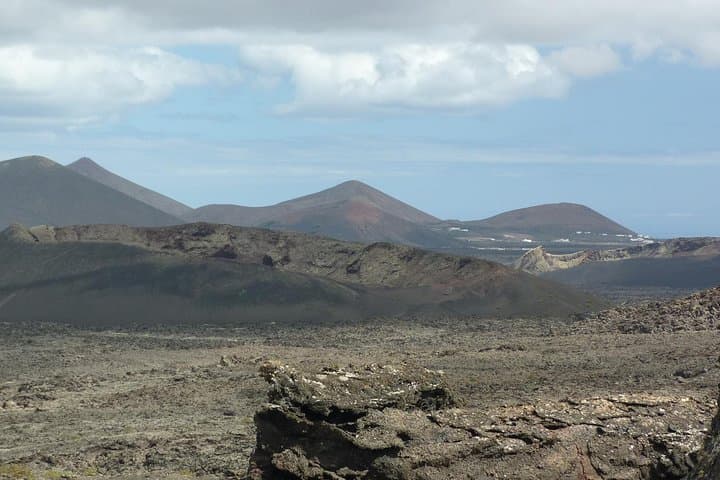
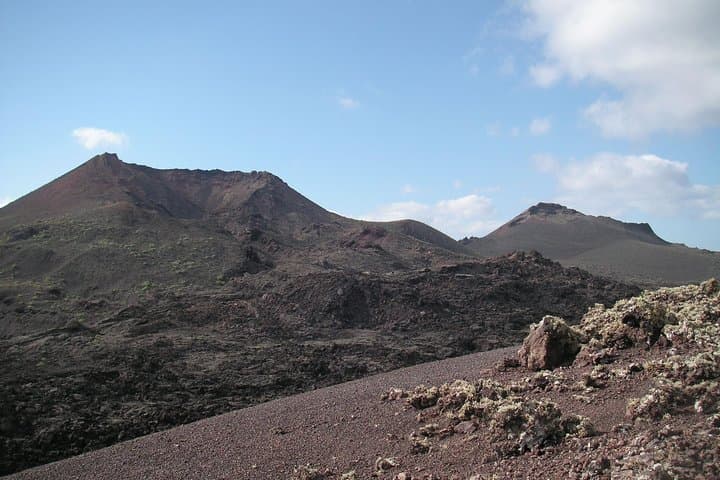
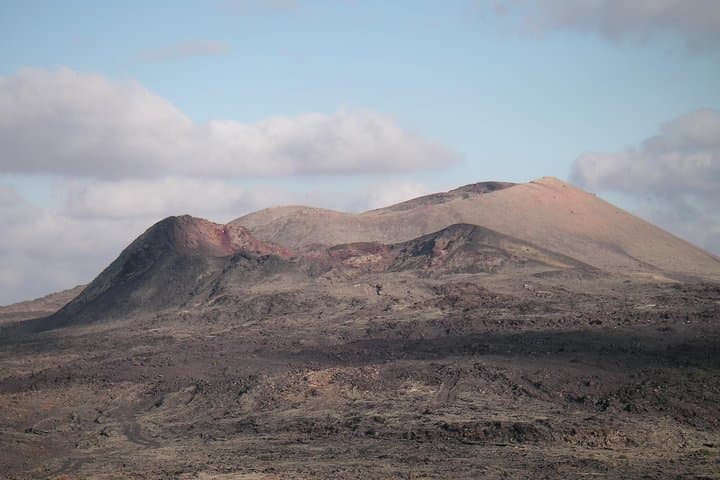
This is Timanfaya, the scene of the great Lanzarote eruptions of 1730–36. Over six years, lava advanced, villages were buried and the island’s surface was rewritten—geology made public and raw. The park’s flattened plains and abrupt cones record both the aggression and slowness of volcanic processes: flows that crawled, spits that built cones, and later erosion that carved contrasts into the hard rock.
Culturally, the area shaped local farming practices—adaptations like small stone windbreaks and pit gardens appear where soil pockets allow plant life to cling. The visitor center at Islote de Hilario demonstrates geothermal heat and offers instant, visible proof of an active subsurface.
Practically: expect uneven volcanic scree, brief steep pitches to crater rims and open exposure to sun and wind. Guided groups use marked paths to limit impact; guides explain geology and local conservation practices as they move. Bring sturdy footwear, 1–2 liters of water, sun protection and a light windproof layer. Mornings offer cooler air and clearer light; late afternoons can be washed in flat, hard light and stronger wind. Transfers and a professional guide are typically included; confirm pickup point in advance if you’re based in Playa Blanca. The hike is compact but intense in scenery—short on trees, long on landscape.
moderate.
4 hours.
Suitable for people who can walk 5–8 km on uneven, rocky ground and manage short steep sections; basic cardiovascular fitness recommended.
Total activity time is about four hours with steady guided walking; expect short stops for interpretation and views.
Children can join if supervised and able to handle uneven ground; not recommended for people with serious heart or mobility issues.
Yes—hotel/port pickup, an English-speaking professional guide, bottled water and snacks are typically included; confirm details at booking.
Yes—pickups are arranged from many lodging areas, but cruise passengers must provide ship and docking details and Playa Blanca pickups may have booking restrictions.
The major eruptions of 1730–36 reshaped Lanzarote’s landscape and economy; the park preserves the youngest large-volume lava flows on the island.
Timanfaya is a protected national park—stay on marked routes, avoid disturbing fragile crusts and pack out all waste to limit erosion and habitat loss.
Blackstone Treks Tours operates guided outdoor trips and adventures with an emphasis on safety, stewardship, and memorable experiences.
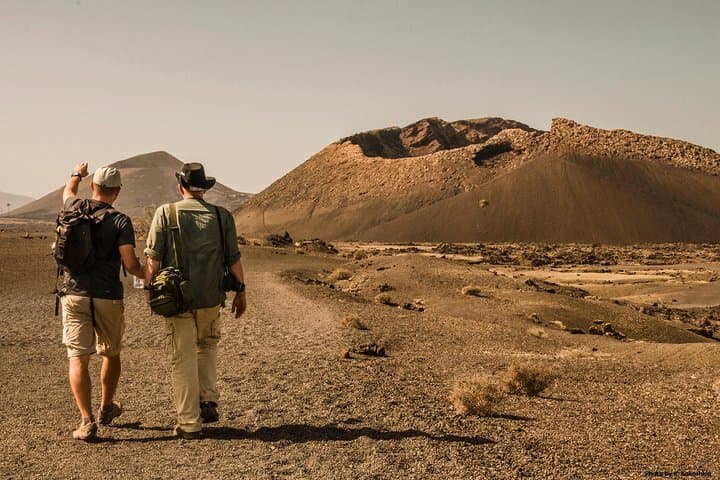
You step out of the minivan into a landscape that still looks as if it was forged yesterday: black, glassy flows ringed by rust-red cinder cones and a wind that pushes heat against your face. The trail climbs across fractured basalt; each footfall stirs millimetres of volcanic dust and the scent of iron.
You step out of the minivan into a landscape that still looks as if it was forged yesterday: black, glassy flows ringed by rust-red cinder cones and a wind that pushes heat against your face. The trail climbs across fractured basalt; each footfall stirs millimetres of volcanic dust and the scent of iron.
This is Timanfaya, the scene of the great Lanzarote eruptions of 1730–36. Over six years, lava advanced, villages were buried and the island’s surface was rewritten—geology made public and raw. The park’s flattened plains and abrupt cones record both the aggression and slowness of volcanic processes: flows that crawled, spits that built cones, and later erosion that carved contrasts into the hard rock.
Culturally, the area shaped local farming practices—adaptations like small stone windbreaks and pit gardens appear where soil pockets allow plant life to cling. The visitor center at Islote de Hilario demonstrates geothermal heat and offers instant, visible proof of an active subsurface.
Practically: expect uneven volcanic scree, brief steep pitches to crater rims and open exposure to sun and wind. Guided groups use marked paths to limit impact; guides explain geology and local conservation practices as they move. Bring sturdy footwear, 1–2 liters of water, sun protection and a light windproof layer. Mornings offer cooler air and clearer light; late afternoons can be washed in flat, hard light and stronger wind. Transfers and a professional guide are typically included; confirm pickup point in advance if you’re based in Playa Blanca. The hike is compact but intense in scenery—short on trees, long on landscape.