THE ADVENTURE COLLECTIVE® · Independent discovery and booking for outdoor travel

Walk over fresh lava and steam-whispering fumaroles on the Reykjanes Peninsula. This guided day tour visits sites reshaped by recent eruptions—perfect for hikers who want geological drama with practical logistics.
Walk over fresh lava and steam-whispering fumaroles on the Reykjanes Peninsula. This guided day tour visits sites reshaped by recent eruptions—perfect for hikers who want geological drama with practical logistics.
A low sun cuts across black rock as the van pulls into the trailhead and the wind immediately announces the peninsula’s temperament: sharp, shifting, alive.
Verified experiences and guided adventures in the surrounding area.
Operated by Southcoast Adventure · Grindavík, Southern Peninsula
A low sun cuts across black rock as the van pulls into the trailhead and the wind immediately announces the peninsula’s temperament: sharp, shifting, alive.
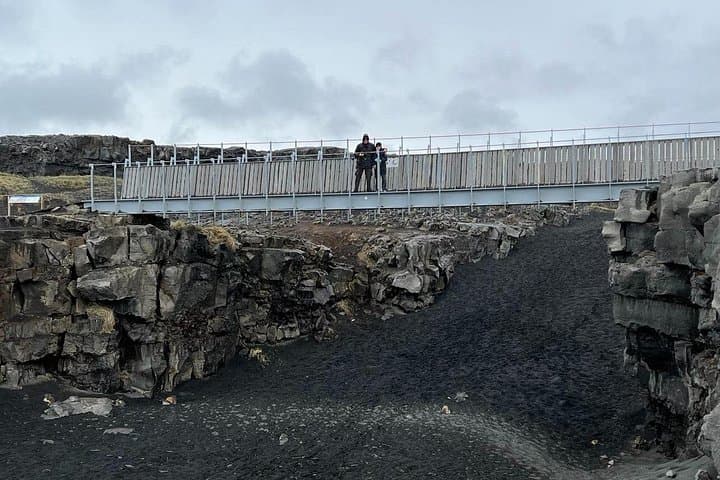
Visitors step from tarmac into a lunar-like landscape where fresh pahoehoe and ʻaʻā lava fields spill from recent fissures. Steam hisses from fumaroles; sulfur-scented air and basaltic ridges frame views toward Sundhnúkur, Fagradalsfjall and the Meradalir valleys—sites remade by eruptions in the last decade. The geology is direct: you walk on the Mid-Atlantic Ridge where tectonic plates separate and magma has reshaped the ground within living memory.
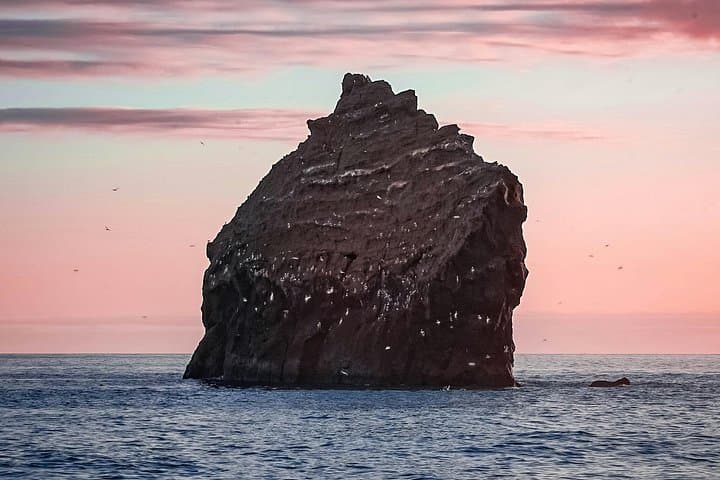
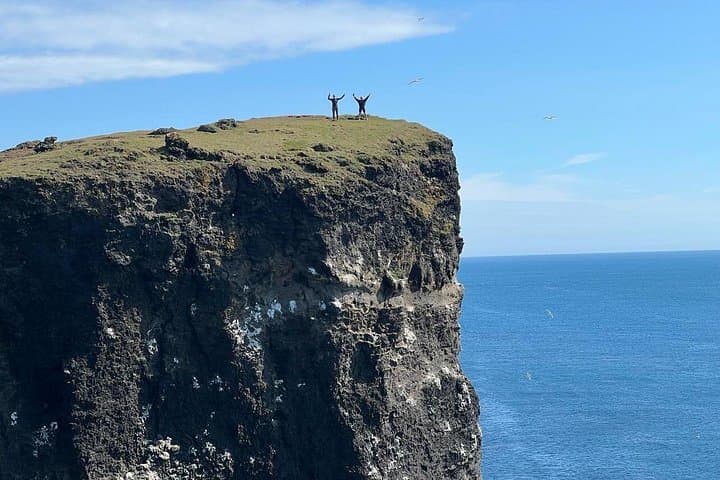
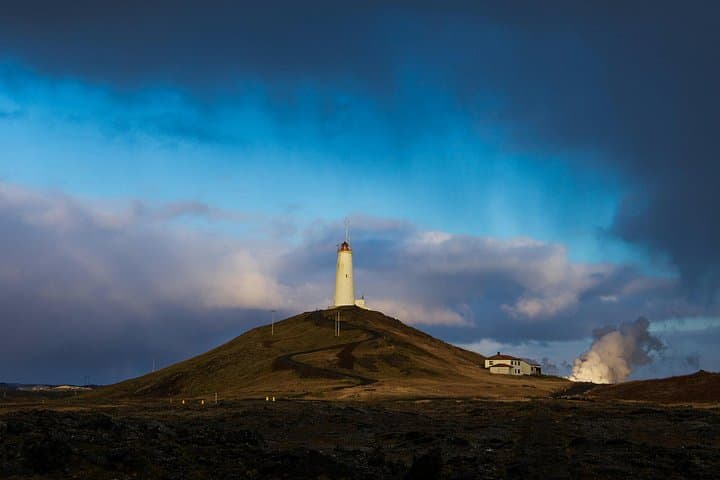
The human story is compact and practical—fishing villages like Grindavík, Cold War lighthouses and a culture adapted to wind and sea. Local infrastructure balances tourism with safety: guided access is common because lava flows, unstable crust and gas emissions require real-time decisions.
Practically, expect an 8-hour outing with long walks over uneven, sharp rock and loose scree rather than steep elevation gain. Guides assess whether you can approach recent lava; when conditions disallow, they pivot to coastal geothermal sites and steam vents. Dress in windproof layers, wear stiff-soled boots, bring 1–2 liters of water, a windproof shell and sunscreen. Plan for quickly changing weather and limited shelter—timing your visit around calmer morning windows improves comfort and light for photos.
This is a hands-on landscape: it pushes a hiker to move deliberately, rewards attention to texture and scale, and offers a rare chance to see an active volcanic frontier where geology is visibly writing itself.
moderate.
8 hours.
Comfortable walking fitness; able to cover several miles on uneven, rocky ground and stand for extended periods
Access depends on real-time safety assessments; guides will allow the nearest safe vantage point but may restrict approach when flows, gas, or unstable crust are present.
The tour is rated accessible for many fitness levels, but uneven terrain and long walking distances may challenge small children or those with mobility limits—consult the operator before booking.
Layered clothing with a windproof outer shell, sun protection and sturdy boots are recommended; mornings and afternoons can differ dramatically in temperature and wind speed.
Most departures are from Reykjavík; some groups assemble near Grindavík or other peninsula towns—confirm pickup details at booking and allow time for road conditions.
The Reykjanes Peninsula sits on the Mid-Atlantic Ridge; historic and recent fissure eruptions (including Fagradalsfjall and Meradalir) have repeatedly reshaped local terrain and coastal communities.
The fresh lava and moss are fragile—stay on designated paths, don’t take rock samples, and follow local closures; limiting foot traffic and waste preserves recovery zones and reduces risk.
Southcoast Adventure operates guided outdoor trips and adventures with an emphasis on safety, stewardship, and memorable experiences.
A low sun cuts across black rock as the van pulls into the trailhead and the wind immediately announces the peninsula’s temperament: sharp, shifting, alive.
A low sun cuts across black rock as the van pulls into the trailhead and the wind immediately announces the peninsula’s temperament: sharp, shifting, alive.
Visitors step from tarmac into a lunar-like landscape where fresh pahoehoe and ʻaʻā lava fields spill from recent fissures. Steam hisses from fumaroles; sulfur-scented air and basaltic ridges frame views toward Sundhnúkur, Fagradalsfjall and the Meradalir valleys—sites remade by eruptions in the last decade. The geology is direct: you walk on the Mid-Atlantic Ridge where tectonic plates separate and magma has reshaped the ground within living memory.
The human story is compact and practical—fishing villages like Grindavík, Cold War lighthouses and a culture adapted to wind and sea. Local infrastructure balances tourism with safety: guided access is common because lava flows, unstable crust and gas emissions require real-time decisions.
Practically, expect an 8-hour outing with long walks over uneven, sharp rock and loose scree rather than steep elevation gain. Guides assess whether you can approach recent lava; when conditions disallow, they pivot to coastal geothermal sites and steam vents. Dress in windproof layers, wear stiff-soled boots, bring 1–2 liters of water, a windproof shell and sunscreen. Plan for quickly changing weather and limited shelter—timing your visit around calmer morning windows improves comfort and light for photos.
This is a hands-on landscape: it pushes a hiker to move deliberately, rewards attention to texture and scale, and offers a rare chance to see an active volcanic frontier where geology is visibly writing itself.