THE ADVENTURE COLLECTIVE® · Independent discovery and booking for outdoor travel

Walk the iconic Sentiero degli Dei from Sorrento and trade ferry crowds for cliffside views, lemon terraces, and ancient mule tracks. This practical guide explains what to expect, how to prepare, and the local history that shapes the trail.
Walk the iconic Sentiero degli Dei from Sorrento and trade ferry crowds for cliffside views, lemon terraces, and ancient mule tracks. This practical guide explains what to expect, how to prepare, and the local history that shapes the trail.
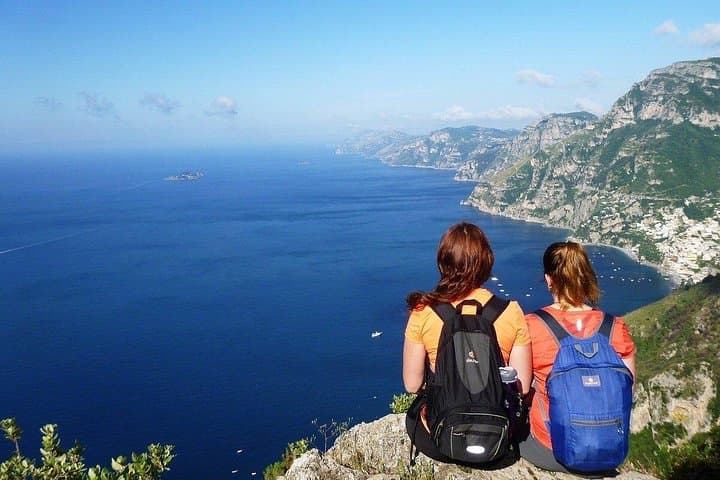
You meet at Piazza Tasso in Sorrento before a short minivan climb inland; the town falls away and the Tyrrhenian puts on its deep-blue show. By Bomerano the trail sits on a knife-edge of limestone terraces—old farm walls and olive trees step down the hillside while the sea dares you from far below.
Verified experiences and guided adventures in the surrounding area.
Operated by AVI Travel · Sorrento, Campania
You meet at Piazza Tasso in Sorrento before a short minivan climb inland; the town falls away and the Tyrrhenian puts on its deep-blue show. By Bomerano the trail sits on a knife-edge of limestone terraces—old farm walls and olive trees step down the hillside while the sea dares you from far below.
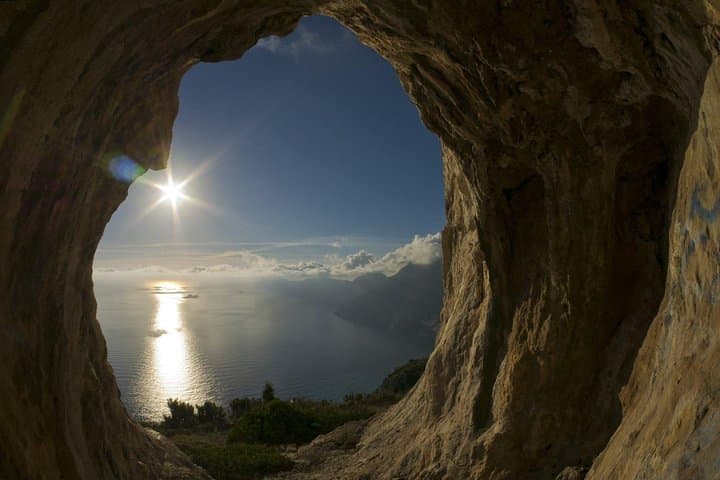
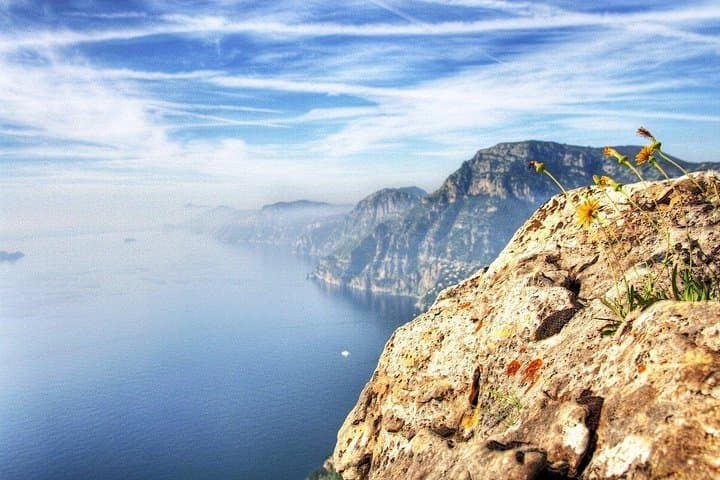
The Sentiero degli Dei (Path of the Gods) follows ancient mule tracks and shepherd paths carved into the Lattari Mountains. Geologically, the route runs on uplifted limestone and marl shaped by marine deposition and coastal erosion, which creates dramatic cliff faces and small sea-facing caves. Culturally the path threads through communities that have farmed lemons and olives for centuries; terraces and small chapels mark human presence as much as geological sculpting.
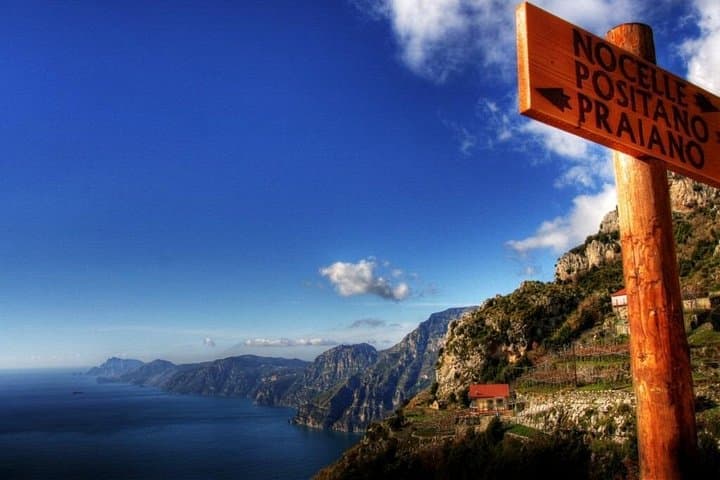
Expect open, exposed trail segments, intermittent shade from low pines, and sweeping views across Amalfi’s coves. The full traditional route between Bomerano (Agerola) and Nocelle (near Positano) is roughly 7–8 km and is commonly hiked in 2–4 hours depending on pace and stops; many guided tours bundle transport, a guide, and trekking poles.
Practical guidance: wear sturdy hiking shoes, carry 1–2 liters of water, sun protection and a light layer; the trail can be rocky and uneven with short steep sections. Start early to avoid the heat and to catch quieter vistas. Check weather and the operator’s cancellation policy—winter can bring closures or reduced departures. Respect terraces and private land and leave no trace so this fragile coastline stays open for the next group of travelers.
challenging.
3–6 hours (includes transport and stops).
Good cardiovascular fitness recommended; hikers should be comfortable on uneven singletrack and short steep sections.
The classic Agerola (Bomerano) to Nocelle route is about 7–8 km and commonly takes 2–4 hours of walking, with guided tours adding transport time to make a half‑day trip.
Children over 10 can do the route if accustomed to walking and supervised; some sections are exposed with drop-offs, so assess comfort with heights and trail length.
The trail is waymarked and many hikers go independently, but guided tours provide local context, guaranteed transport, and equipment like poles—useful if you prefer logistics handled.
Operators may cancel tours for heavy rain or unsafe trail conditions; check cancellation terms and confirm with the provider the day before departure.
The route follows historic mule tracks and shepherd ways that linked mountain hamlets to the coast; terraces visible along the trail were developed over centuries to farm olives and lemons.
Erosion from heavy foot traffic and informal shortcuts threatens terraces and soil; stay on marked trail, avoid trampling terraces, and pack out all waste.
AVI Travel operates guided outdoor trips and adventures with an emphasis on safety, stewardship, and memorable experiences.
You meet at Piazza Tasso in Sorrento before a short minivan climb inland; the town falls away and the Tyrrhenian puts on its deep-blue show. By Bomerano the trail sits on a knife-edge of limestone terraces—old farm walls and olive trees step down the hillside while the sea dares you from far below.
You meet at Piazza Tasso in Sorrento before a short minivan climb inland; the town falls away and the Tyrrhenian puts on its deep-blue show. By Bomerano the trail sits on a knife-edge of limestone terraces—old farm walls and olive trees step down the hillside while the sea dares you from far below.
The Sentiero degli Dei (Path of the Gods) follows ancient mule tracks and shepherd paths carved into the Lattari Mountains. Geologically, the route runs on uplifted limestone and marl shaped by marine deposition and coastal erosion, which creates dramatic cliff faces and small sea-facing caves. Culturally the path threads through communities that have farmed lemons and olives for centuries; terraces and small chapels mark human presence as much as geological sculpting.
Expect open, exposed trail segments, intermittent shade from low pines, and sweeping views across Amalfi’s coves. The full traditional route between Bomerano (Agerola) and Nocelle (near Positano) is roughly 7–8 km and is commonly hiked in 2–4 hours depending on pace and stops; many guided tours bundle transport, a guide, and trekking poles.
Practical guidance: wear sturdy hiking shoes, carry 1–2 liters of water, sun protection and a light layer; the trail can be rocky and uneven with short steep sections. Start early to avoid the heat and to catch quieter vistas. Check weather and the operator’s cancellation policy—winter can bring closures or reduced departures. Respect terraces and private land and leave no trace so this fragile coastline stays open for the next group of travelers.