
Hike the Nakasendo Trail: Tsumago to Magome Day Hike from Nagoya
Walk a preserved stretch of the Nakasendo from Tsumago to Magome on a guided day tour from Nagoya. Expect original cobblestones, mossy waterfalls, traditional teahouses, and a 3–4 hour hiking route through the Kiso Valley.
An Adventure In Nagoya.
Walk a preserved stretch of the Nakasendo from Tsumago to Magome on a guided day tour from Nagoya. Expect original cobblestones, mossy waterfalls, traditional teahouses, and a 3–4 hour hiking route through the Kiso Valley.
Read the full experience
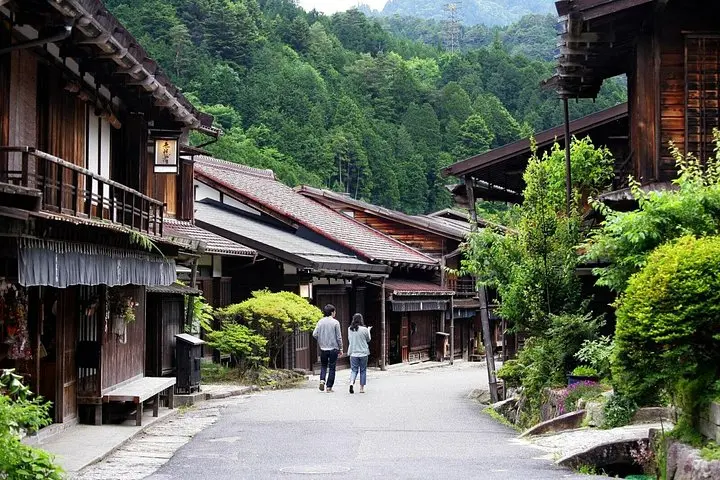
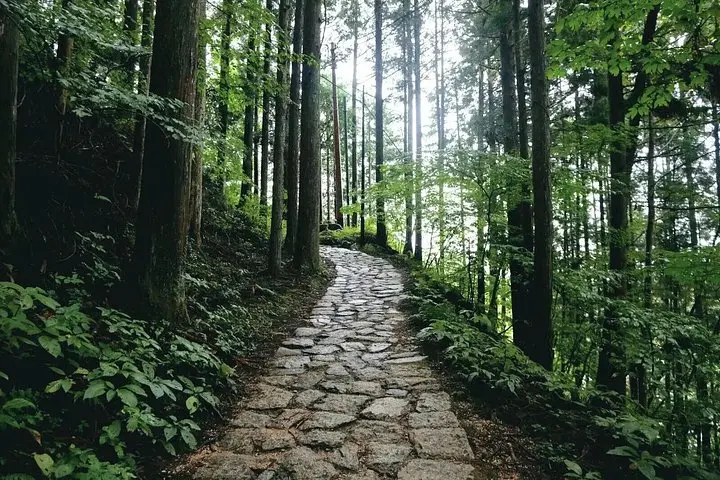
You step off the bus into cool mountain air and cobblestone beneath your boots — the Nakasendo trail opens like an old ledger, its worn stones carrying footsteps from the Edo period. The route from Tsumago-juku to Magome-juku threads through cedar-forested slopes, drops past mossy waterfalls that dare you to pause, and climbs to sloped village streets where wooden houses watch the passersby.
You step off the bus into cool mountain air and cobblestone beneath your boots — the Nakasendo trail opens like an old ledger, its worn stones carrying footsteps from the Edo period. The route from Tsumago-juku to Magome-juku threads through cedar-forested slopes, drops past mossy waterfalls that dare you to pause, and climbs to sloped village streets where wooden houses watch the passersby.
The Nakasendo was one of five major highways linking Edo (now Tokyo) to the provinces; this preserved stretch retains original paving and post-station architecture. Geologically the Kiso Valley is folded volcanic and sedimentary rock—steep ravines and terraces shaped by rivers that still push the landscape into sharp relief. Culturally, the post towns were trade and postal hubs; today local volunteers maintain teahouses and crafts, and you’ll hear stories of samurai messengers and mountain trade while sampling gohei-mochi or oyaki.
On the trail expect mixed terrain: packed earth, original cobbles, short stair sections and stream crossings. The hike is roughly 8 km one-way, with moderate climbs and about 200–350 m cumulative elevation change depending on exact route. Plan for 3–4 hours of walking, bring layered rain protection, and carry cash for small shops.
Timing matters: start mid-morning to avoid crowds and enjoy lunch at a waterfall or a slope-side bench. Respect local customs—quiet voices in villages, and pack out any rubbish. The trail rewards measured steps: history underfoot, mountain air in your face, and villages that still keep the pace of an older Japan.
Frequently asked questions
The route covered on this tour is about 8 km one-way and typically takes 3–4 hours at a moderate pace, excluding time spent in the post towns.
Yes — non-hikers can remain in Tsumago with the guide while hikers continue the trail; the group reunites in Magome for lunch and return transport.
A moderate level of fitness is recommended: expect sustained walking on uneven surfaces and short climbs with roughly 200–350 m cumulative elevation change.
Limited. Small teahouses exist, but the tour recommends buying a bento or snacks before departure; carry sufficient water for the hike.
About This Experience
Snow Monkey Resorts Tours (Machinovate Japan Ltd.) operates guided outdoor trips and adventures with an emphasis on safety, stewardship, and memorable experiences.
Adventure tips
Recommended gear
- Midweight hiking shoes: Provide grip on cobbles, roots, and short stair sections.
- Light rain shell: Protects from sudden mountain showers and mist at waterfall lunch stops.
- 1–1.5L water bottle: Keeps you hydrated on the 8 km route; refill options are limited on the trail.
- Small cash and coin pouch: Needed for teahouses, snacks, and handcrafted souvenirs in the post towns.
Photos of the experience
Related adventures & guides
Read the full experience
You step off the bus into cool mountain air and cobblestone beneath your boots — the Nakasendo trail opens like an old ledger, its worn stones carrying footsteps from the Edo period. The route from Tsumago-juku to Magome-juku threads through cedar-forested slopes, drops past mossy waterfalls that dare you to pause, and climbs to sloped village streets where wooden houses watch the passersby.
You step off the bus into cool mountain air and cobblestone beneath your boots — the Nakasendo trail opens like an old ledger, its worn stones carrying footsteps from the Edo period. The route from Tsumago-juku to Magome-juku threads through cedar-forested slopes, drops past mossy waterfalls that dare you to pause, and climbs to sloped village streets where wooden houses watch the passersby.
The Nakasendo was one of five major highways linking Edo (now Tokyo) to the provinces; this preserved stretch retains original paving and post-station architecture. Geologically the Kiso Valley is folded volcanic and sedimentary rock—steep ravines and terraces shaped by rivers that still push the landscape into sharp relief. Culturally, the post towns were trade and postal hubs; today local volunteers maintain teahouses and crafts, and you’ll hear stories of samurai messengers and mountain trade while sampling gohei-mochi or oyaki.
On the trail expect mixed terrain: packed earth, original cobbles, short stair sections and stream crossings. The hike is roughly 8 km one-way, with moderate climbs and about 200–350 m cumulative elevation change depending on exact route. Plan for 3–4 hours of walking, bring layered rain protection, and carry cash for small shops.
Timing matters: start mid-morning to avoid crowds and enjoy lunch at a waterfall or a slope-side bench. Respect local customs—quiet voices in villages, and pack out any rubbish. The trail rewards measured steps: history underfoot, mountain air in your face, and villages that still keep the pace of an older Japan.
Make a day of it nearby.
Verified experiences and guided adventures in the surrounding area.