THE ADVENTURE COLLECTIVE® · Independent discovery and booking for outdoor travel

Walk where an ancient sea once lay—Komstitsa’s limestone reveals ammonites and belemnites along dirt roads circling Kaleto. This full-day tour from Sofia combines easy hiking with hands-on natural history and rural Bulgarian culture.
Walk where an ancient sea once lay—Komstitsa’s limestone reveals ammonites and belemnites along dirt roads circling Kaleto. This full-day tour from Sofia combines easy hiking with hands-on natural history and rural Bulgarian culture.
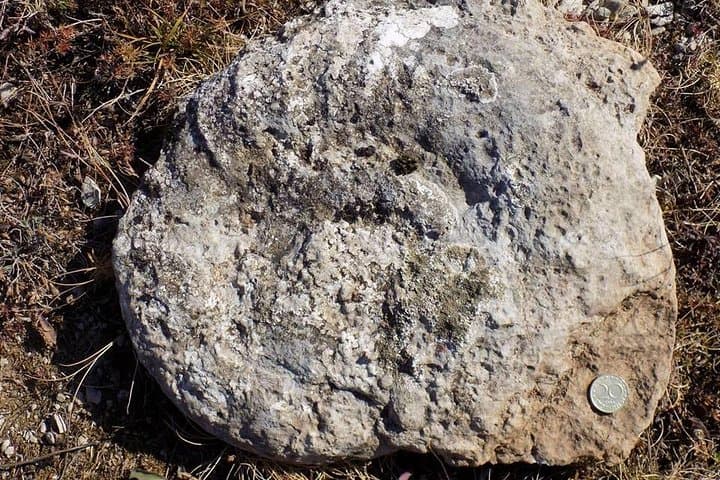
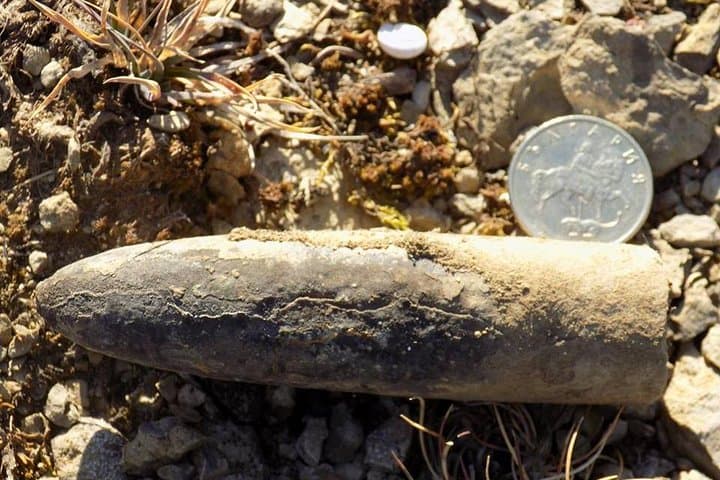
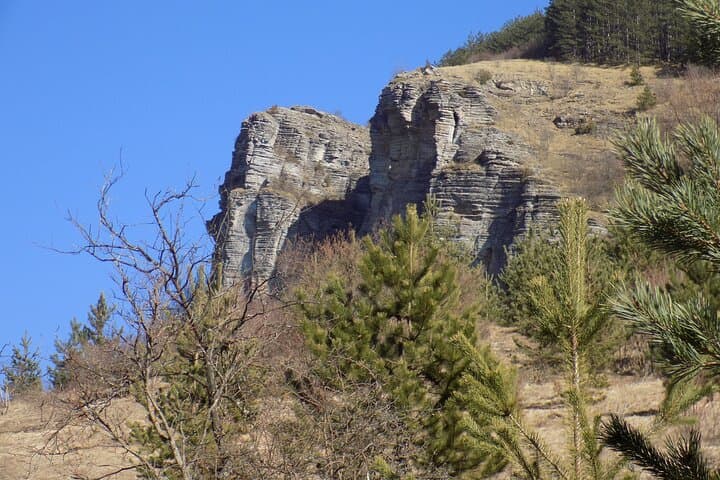
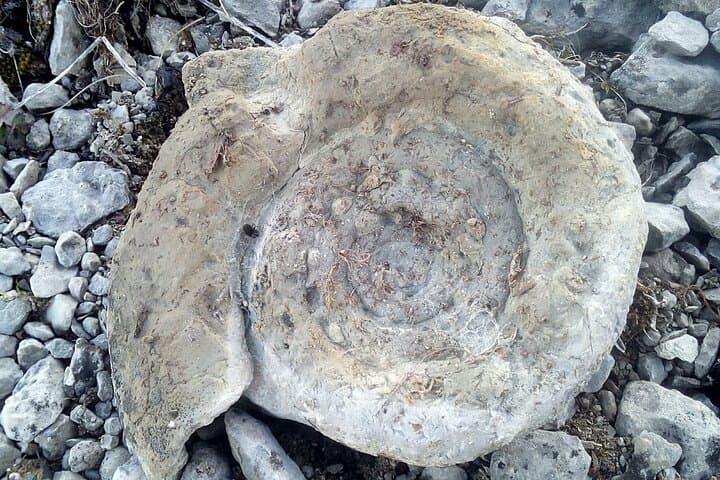
You step off the minivan where the asphalt ends and the land opens to stone—low, pale limestone rolling toward a squat peak locals call Kaleto. The air here tastes of dust and resin; underfoot the dirt road carries the ghost of an ancient coastline where squid-like belemnites once swam. The guide points out ribbed shell impressions tucked into exposed rock faces, each fossil a small, patient proof that this was once ocean.
Verified experiences and guided adventures in the surrounding area.
Operated by Bulgarian Fairy Tale · Komstitsa, Sofia Province
You step off the minivan where the asphalt ends and the land opens to stone—low, pale limestone rolling toward a squat peak locals call Kaleto. The air here tastes of dust and resin; underfoot the dirt road carries the ghost of an ancient coastline where squid-like belemnites once swam. The guide points out ribbed shell impressions tucked into exposed rock faces, each fossil a small, patient proof that this was once ocean.
Geologically the route runs through karst limestone laid down in the Triassic and Jurassic periods; erosion has exposed layers riddled with ammonites and belemnite fragments. Culturally, Komstitsa is a rural village with 19th-century grave markers that trace local craft and faith, and scattered fortification ruins that hint at past strategic uses of Kaleto’s rise.
Expect a mostly dirt-road walk circling the peak, 8–12 km total with a few hundred meters of cumulative ascent—steady, not technical. The route is excellent for anyone comfortable with all-day walks; there are open, sun-exposed sections and short shaded bits in scrub oak. Practical cautions are simple: fossils are protected—observe, photograph, don’t collect—and wear sturdy shoes for loose limestone. Hydration and layered clothing matter; weather can shift quickly on exposed karst.
This is a day that pairs quiet walking with natural history: you’ll move through millions of years of sediment in hours, traced by shells and belemnites under your boots, and return to Sofia with a clearer sense of Bulgaria’s deep past and its living countryside.
easy.
8 hours.
Suitable for people who can walk 8–12 km on uneven dirt roads and manage several short climbs; not technical but requires endurance for a full day.
The full outing is a full-day experience—roughly 8–12 km of mostly dirt roads with several short climbs; it’s non-technical and rated easy, but expect a full 6–8 hours including transfers.
No—fossils in Bulgaria are protected; you should photograph finds and leave them in place. Guides will point out notable specimens and explain their importance.
Yes; the tour provides hotel pickup and drop-off from Sofia as part of the inclusion details.
The route is suitable for a wide range of ages if participants are comfortable with an all‑day walk; those with cardiovascular issues should consult a doctor per operator guidance.
During the Triassic and Jurassic periods much of the region was shallow sea; sedimentary limestone preserves abundant marine fossils and the karst landscape later hosted small defensive sites like Kaleto.
Fossils are a protected natural resource—collecting is illegal; stick to marked paths, pack out trash, and follow your guide’s instructions to minimize erosion and disturbance.
Bulgarian Fairy Tale operates guided outdoor trips and adventures with an emphasis on safety, stewardship, and memorable experiences.
You step off the minivan where the asphalt ends and the land opens to stone—low, pale limestone rolling toward a squat peak locals call Kaleto. The air here tastes of dust and resin; underfoot the dirt road carries the ghost of an ancient coastline where squid-like belemnites once swam. The guide points out ribbed shell impressions tucked into exposed rock faces, each fossil a small, patient proof that this was once ocean.
You step off the minivan where the asphalt ends and the land opens to stone—low, pale limestone rolling toward a squat peak locals call Kaleto. The air here tastes of dust and resin; underfoot the dirt road carries the ghost of an ancient coastline where squid-like belemnites once swam. The guide points out ribbed shell impressions tucked into exposed rock faces, each fossil a small, patient proof that this was once ocean.
Geologically the route runs through karst limestone laid down in the Triassic and Jurassic periods; erosion has exposed layers riddled with ammonites and belemnite fragments. Culturally, Komstitsa is a rural village with 19th-century grave markers that trace local craft and faith, and scattered fortification ruins that hint at past strategic uses of Kaleto’s rise.
Expect a mostly dirt-road walk circling the peak, 8–12 km total with a few hundred meters of cumulative ascent—steady, not technical. The route is excellent for anyone comfortable with all-day walks; there are open, sun-exposed sections and short shaded bits in scrub oak. Practical cautions are simple: fossils are protected—observe, photograph, don’t collect—and wear sturdy shoes for loose limestone. Hydration and layered clothing matter; weather can shift quickly on exposed karst.
This is a day that pairs quiet walking with natural history: you’ll move through millions of years of sediment in hours, traced by shells and belemnites under your boots, and return to Sofia with a clearer sense of Bulgaria’s deep past and its living countryside.